Tag Archives: Scotland

Words and Photos: Portraits

Whenever I visit an art museum, invariably my favorite paintings are the portraits.  I enjoy studying the faces and clothing of the subjects and wondering about their personalities and lives.  Edinburgh has a wonderful National Portrait Gallery  on Queen Street in New Town.  The collection includes pictures of many literary and royal luminaries.  Upon entering the museum’s Great Hall, I always marvel at the gilded murals adorning entrance hall’s balcony.  The procession of Scottish dignitaries includes Stuart kings and queens, poets, scientists and philosophers.  In the short story I am currently writing, my character, Elizabeth Ann, visits the portrait gallery with her friend, Maude and experiences a moment of clarity.
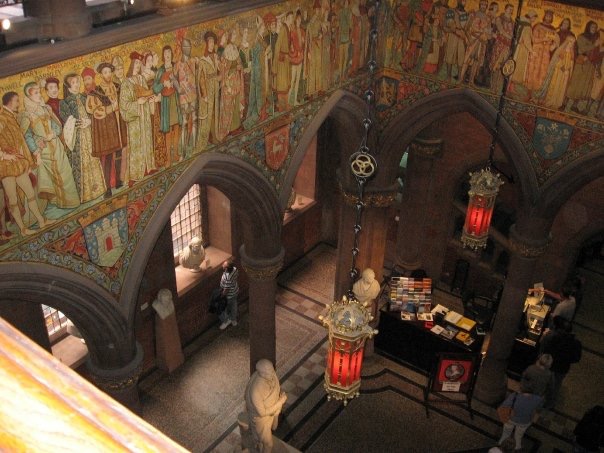
National Portrait Gallery, Edinburgh Scotland.  Photo by L. Walkins, 2006

Photo by L. Walkins, 2006

Outside, wispy clouds stretched across the blue summer sky.  Shoppers and tourists crowded the sidewalks of Castle Street.  Maude and I headed up the block and turned right, walking past the Queen Street gardens.  Behind the wrought iron railings enclosing the park, I glimpsed rolling green lawns and the roof of a Grecian temple.

Maude walked quickly, leading me along the shaded sidewalk.  “It’s a shame Will couldn’t come along on your vacation,” she said, as we approached the National Portrait Gallery.

“He wanted to, but he has a big case going to trial soon.”  My boyfriend, Will was doing  well at his law firm and hoped to make partner soon. Following Maude into the museum, I wondered what Will was doing back in San Diego.  I  looked at  my watch.  With the time difference, he was probably sound asleep.

“Wait here,” Maude said.  “I’ll get us a map.”

I nodded, pausing in the middle of the sumptuous room to look around.  My eyes were drawn to the gilded frieze that decorated the balcony above me. A procession of Scottish dignitaries filled the upper reaches of the hall.  In one corner, I spotted Queen Mary and her consort, Lord Darnley dressed in splendid finery.  The couple stood proudly among the crowd of leaders.  Mary, in particular, looked like she was born to rule.

Maude returned and unfolded the visitor’s map of the different galleries.  “Where shall we begin?” she asked.  “Literary figures or the royals?”

Glancing up at the figure of Queen Mary once more and thinking back to the day Maude and I became friends, I said, “Why don’t we find a portrait of your favorite queen?”

Maude and I had met during my semester abroad at Regent’s College  in London.  Spotting me at Westminster Abbey one Saturday, she reminded me that we shared a public speaking class and insisted we spend the afternoon together.  Taken in by her candor and exuberance, I had followed her into the abbey and right over to the tomb of Mary Queen of Scots.

“Excellent idea,” she said now, consulting the map.  “She’s on the second floor.  Follow me.”

We  climbed the  stairs and found  the Scottish queen’s portrait.  She wore a white hood and veil and looked out at us with sad eyes.

Leaning forward, I read the placard beside the painting.  “It says she’s dressed in traditional French mourning.  It seems weird that white was the color for mourning back then.”

“Poor Mary was absolutely devastated when her French husband died.” Maude fiddled with the end of her long, blonde braid.  “The royal  family had no use for her anymore and they cast her aside.”

“Being a sixteenth century woman was pretty horrible,” I said.  “Can you imagine having no control over your own fate?  Like all those poor women who married Henry VIII.”

“Dreadful.”  Maude folded her arms as she studied the portrait.  “Mary was just 19 when she came home to Scotland to rule.  When I was 19, I had enough trouble managing my classes at university, let alone ruling an actual country.”

Thinking about Mary’s life moving from castle to castle in medieval Scotland, I wandered across the small gallery.  “At least she didn’t have to worry about where she was going to live,”  I said with a laugh.  “In Edinburgh alone, she had the castle and Holyrood Palace.”

“I know,” Maude agreed.  “It must have been some comfort to depend on centuries of family tradition.”

We drifted slowly through the glass doorway to the next gallery.  As I studied the portraits, I considered my family and our traditions.  Even though, I’d been living in my own apartment for a few years, I called my parents’ yellow bungalow in Mission Hills home. All of our family celebrations still took place around my mother’s dining room table.

Tonight, Maude and her husband were throwing a housewarming in their amazing new flat.  For sure, the first of many parties.  Maybe it was high time I too began some new traditions in a real home of my own.
Words and Photos: The Tearoom

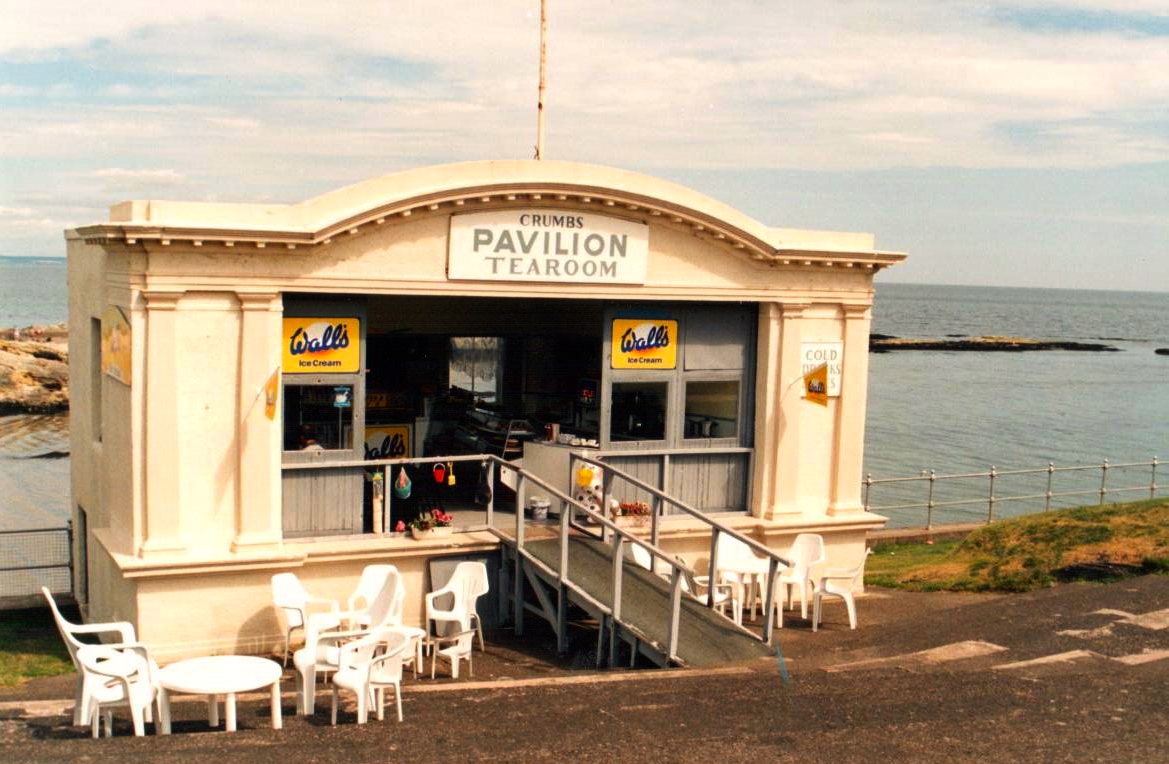
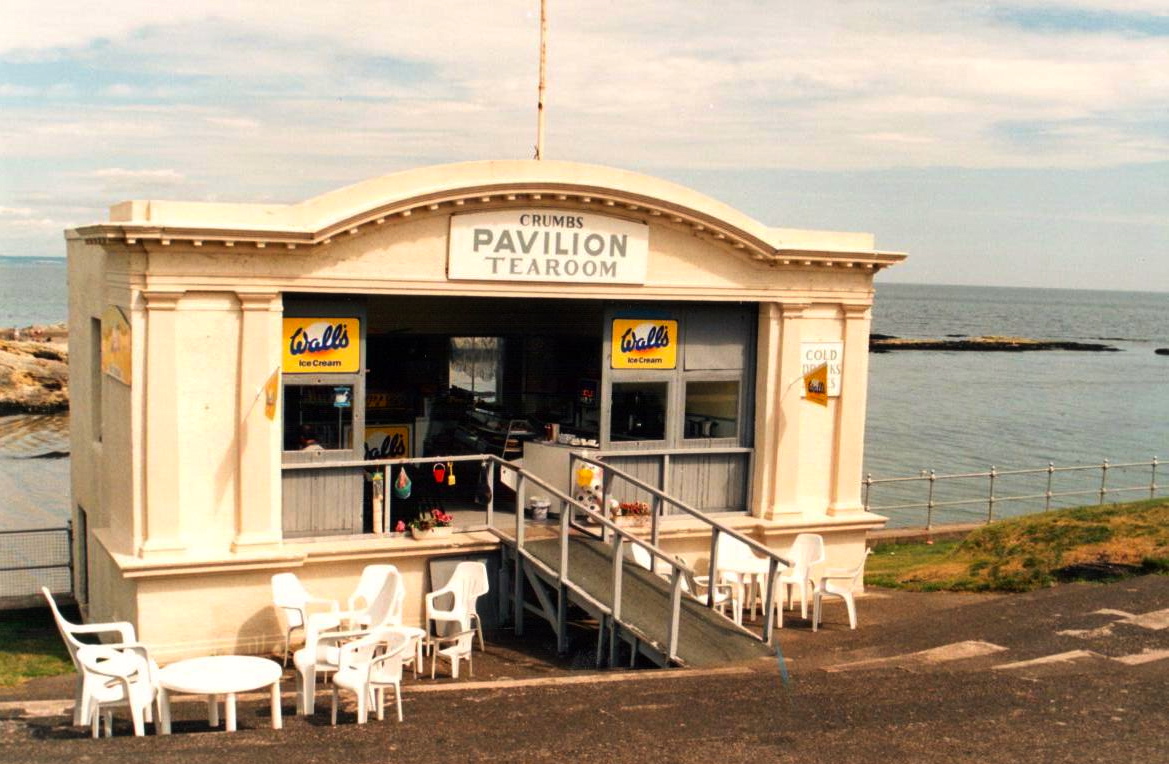
On my first visit to St. Andrews in Scotland, my friend, Susan, and I stumbled upon a charming tearoom located on the edge of the sea.  The name of the establishment made me laugh: Crumbs Pavilion Tearoom.  When I returned home, I wrote this photo essay sparked by the photo I took that afternoon in St. Andrews.

Photo by L. LeVasseur, 1995

Photo by L. LeVasseur, 1995

As soon as she spies the tearoom from the crest of the hill, Sage can’t help smiling.  The compact building sits squarely on the edge of the cliff above the calm, clear ocean.  The summer sun shines down from the azure sky bathing its coral-colored walls in curtains of golden light.  The murmur of voices and the clatter of china and silverware blend with the steady hum of the surf on the beach below.

For her, Crumbs Pavilion Tearoom is a favorite old haunt from her childhood.  She and her pen pal, Linda, who lived on the Isle of Skye, met face-to-face for the very first time at the tearoom.  Shy with each other after their initial greeting, the girls exchanged curious glances as they stood silently at the counter waiting to order Wall’s ice cream bars. Sage asked for a Magnum White and Linda chose almond.  Finally, as they sat side by side on the sea wall, swinging their legs and biting into the thick chocolate that coated the rich vanilla ice cream, they began to talk.  For years, Sage continued to meet Linda at Crumbs each summer.  As they moved from college to first careers and then to marriage, they somehow had let the tradition go.  Until now.  

Linda waits for her at the doorway of the tearoom.  She holds the hand of a young girl, who has straw-colored braids and sports a pair of glamorous white sunglasses.  Catching her breath, Sage feels like she has stepped back in time.  The child is the spitting image of Linda at the same age.  Swept away on a wave of fond memories, Sage laughs like a carefree girl and runs down the hill.

Scotland: Top Ten

The other day, my friend, Becca, mentioned that she and her husband are planning a trip to Scotland.  She asked my advice since she knows Scotland is my favorite travel destination.  Our conversation got me thinking about why I am so enchanted by this country.  Here are my top ten favorite memories of visiting Scotland . . .

  1. Photo by L. Walkins, 2010

    Photo by L. Walkins, 2010

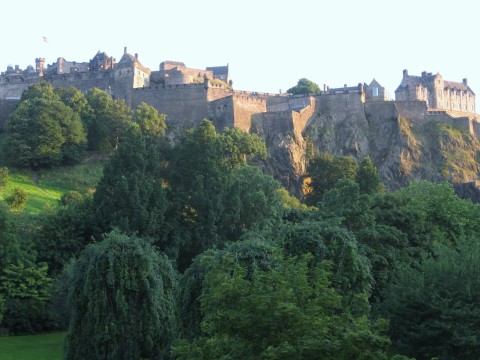
    Edinburgh — The Scottish capital with its golden sandstone buildings, hidden closes and genteel New Town is a fairytale city guarded and protected by the immense castle on the cliff overlooking Princes Street Gardens.  Edinburgh Castle dates back to the twelfth century and today is an iconic tourist attraction according to the official website.  In my eyes, the castle certainly is iconic.  On one of my first trips to Scotland, I took the train from Glasgow to Scotland.  As we pulled into Waverly Station, I was greeted by a stunning view of the castle looming above the city.  Paris has the Eiffel Tower and Edinburgh has its castle.

    On our last trip to the Scottish capital, my husband, Ed, my cousin, Kelly, and I stayed at a wonderful boutique hotel, the Scotsman on North Bridge.  The hotel is housed in the former Scotsman Newspaper building.  The location is ideal, our room was comfortable and the hotel name on the outside of the building is shaped like a welcoming smile, which made me laugh every time we came in from our day of sightseeing.

  2. Photo by L. Walkins, 2010

    Photo by L. Walkins, 2010

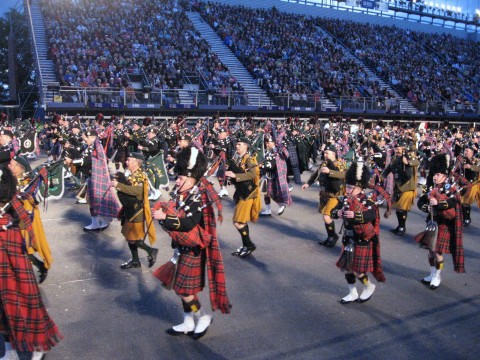
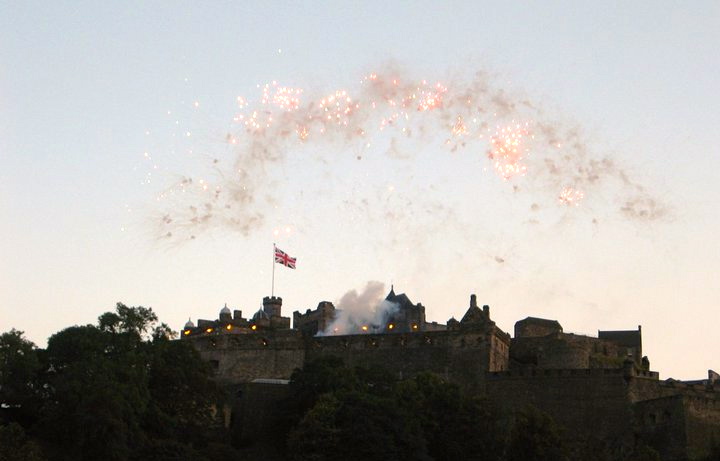
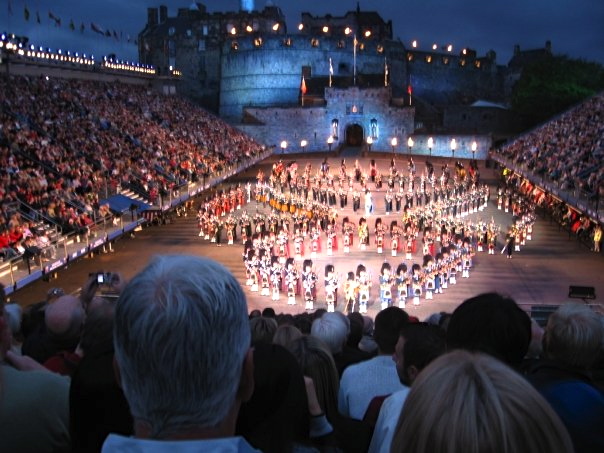
    Military Tattoo — Every summer, in August, Edinburgh hosts a world-renowned arts festival.  One of the highlights of the festival is the Royal Edinburgh Military Tattoo.  Every evening, massed pipes and drums and massed military bands take over the Castle Esplanade giving rousing performances to appreciative crowds.  Ed and I have been fortunate enough to enjoy the amazing spectacle that is the Tattoo two times.  The theme for the 2013 Military Tattoo is Year of Natural Scotland.

  3. Photo by L. Walkins, 1995

    Photo by L. Walkins, 1995

    Oban — A Victorian seaport on the west coast of Scotland, Oban is the seafood capital of Scotland.  Rather appropriately, Ed and I ate the most delicious fish and chips one afternoon in Oban.  We purchased our impromptu lunch at a corner take-away shop and ate the delectable fish and potatoes sitting by the harbor.  What a mouthwatering memory!
    Oban is also home to McCaig’s Tower, a definitive landmark.  Perched at the top of the town and the site of spectacular views, McCaig’s Tower was built in 1897 by a local banker, who wanted to provide work for the area stonemasons.

    Just off the coast, the islands of the Inner Hebrides dot the horizon.  In 1995, my friend, Susan, and I took an excursion from Oban to the Isle of Mull where we toured Duart Castle, the ancestral home of the Clan Maclean.  We explored the dungeons, state rooms and lovely gardens, enjoying a truly memorable afternoon.

  4. Photo by L. Walkins, 1995

    Photo by L. Walkins, 1995

    Millionaire’s Shortbread and Wall’s Ice Cream Bars — While participating in a week-long creative writing class at the University of Edinburgh’s International Summer School, I discovered this delectable treat in the dining hall.  Light and buttery shortbread topped with sweet caramel and smooth chocolate.  To my delight, I have found an easy and delicious recipe for the shortbread, so I can now indulge in a little taste of Scotland at home.

    Another delectable treat discovered during a Scottish vacation is the Wall’s Magnum ice cream bar.  Rich vanilla ice cream coated in luxurious Belgian chocolate, the Magnum bar comes in a variety of flavors.  My favorite is the Magnum White.  These creamy and refreshing ice cream treats are now available in my local grocery store.  Hooray!

  5. Photo by L. Walkins, 2006

    Photo by L. Walkins, 2006

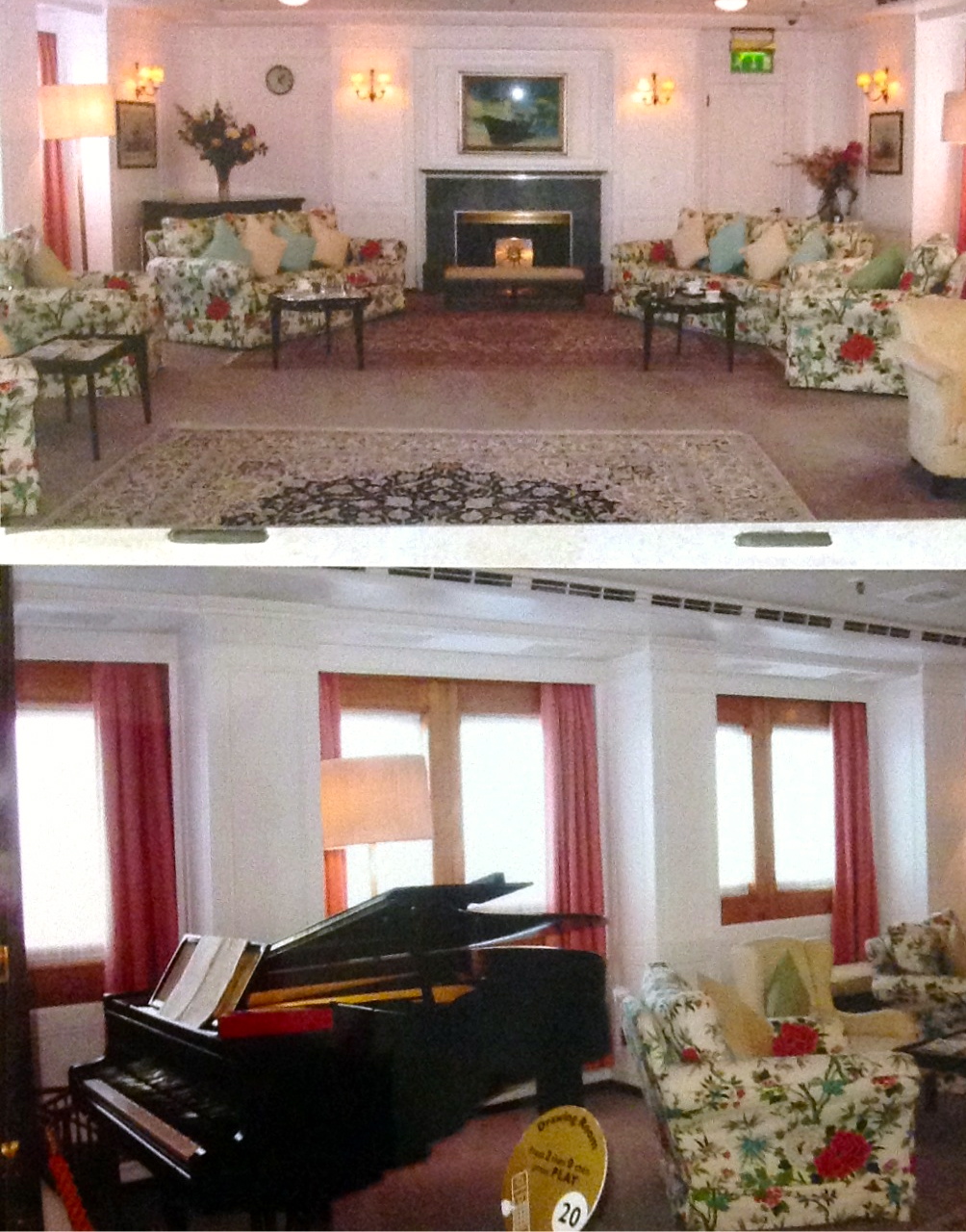
    Royal Yacht Britannia — In 2006, Ed and I discovered that the Royal Family’s yacht is docked in Leith and open to the public.  Launched in 1953, the Royal Yacht Britannia traveled more than one million miles around the world.  Many of the royals honeymooned on the yacht.  Due to the state of the economy and the expense of maintaining the Britannia, the ship was decommissioned in 1994 destined to become one of the most popular tourist attractions in Scotland.  Ed and I toured the ship amazed by the elegance and comfort of the royal apartments.  We appreciated the audio narration provided as we explored one splendid room after another.

  6. Photo by L. Walkins, 1995

    Photo by L. Walkins, 1995

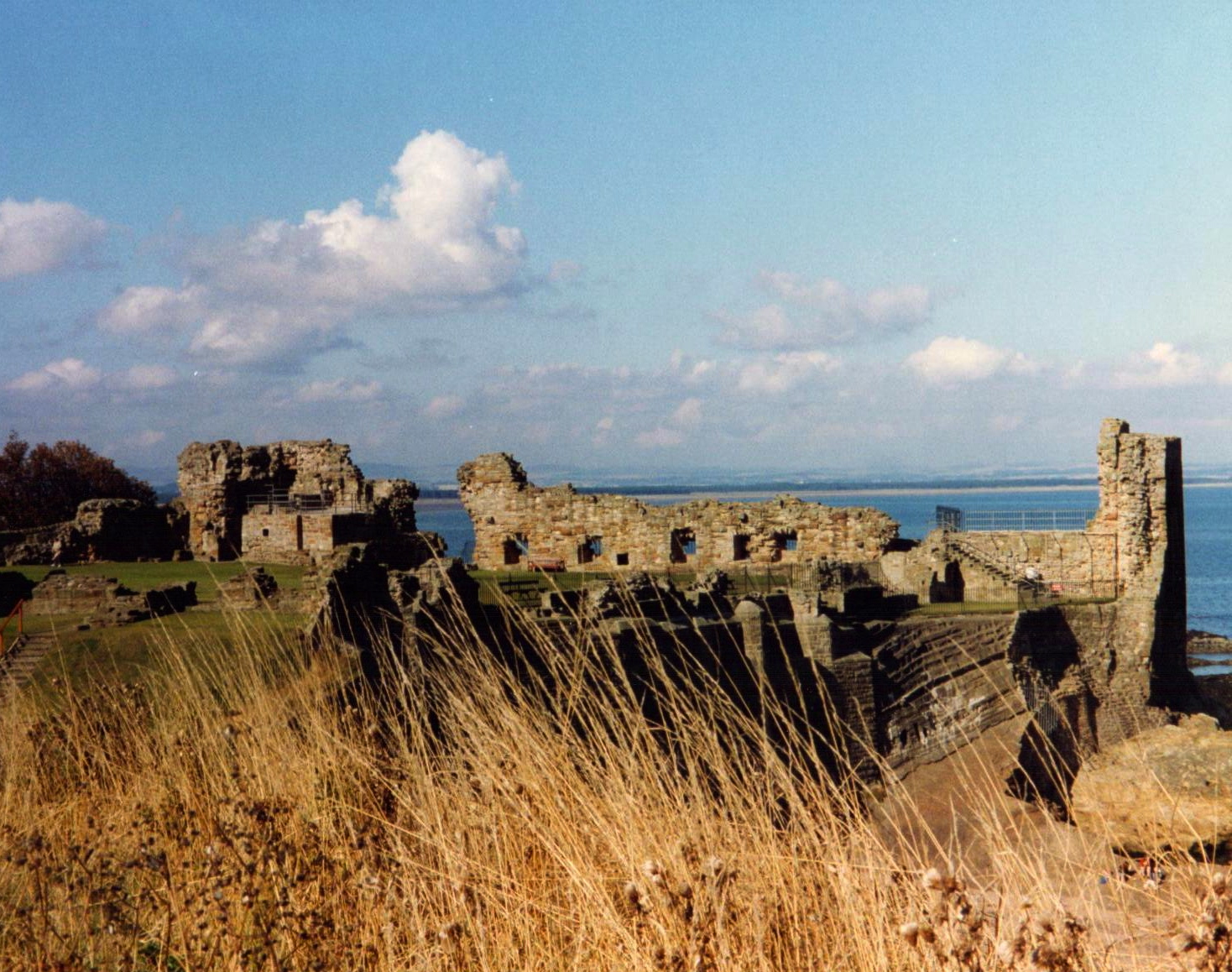
    St. Andrews — A quick train ride from Edinburgh, St. Andrews is revered as the Home of Golf.  To play a round on the Old Course must be a dream come true for enthusiasts of the ancient game.  During one visit, I went to the British Golf Museum in St. Andrews and spent the afternoon learning a lot about history of the sport.  However, there is much more to this lovely coastal resort.  It is home to a respected university and the site of many historical ruins, including St. Andrews Castle, a medieval fortress and St. Andrews Cathedral, once the largest cathedral in Scotland.

  7. Photo by L. Walkins, 2010

    Photo by L. Walkins, 2010

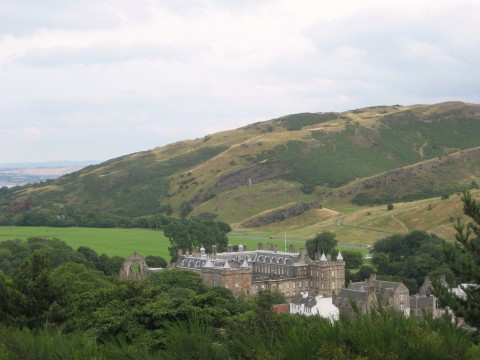
    Holyrood Palace — Mary Queen of Scots lived out many dramatic moments of her tumultuous reign in Holyrood Palace.  Most notably, her favored Italian secretary, David Rizzio, was killed in the Queen’s private rooms in the palace.  This gruesome event sent her on a fateful path that led to her eventual execution in England.  Today, Holyrood Palace is the home of Queen Elizabeth II and her family when they are in Edinburgh.  I have toured Holyrood several times, lunched in its pleasant café, wandered through the palace grounds and bought souvenirs in its charming gift shop.

  8. Photo by L. Walkins, 2006

    Photo by L. Walkins, 2006

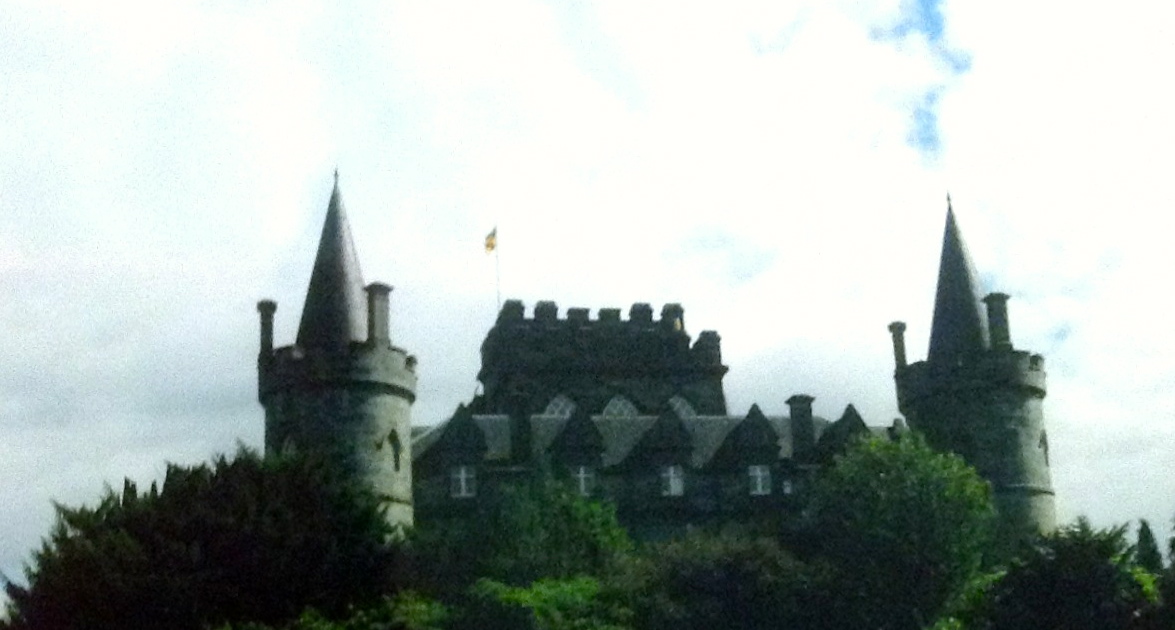
    Inveraray Castle — On the same day Ed and I visited Oban, we also toured Inveraray Castle in Argyll.  We were on a bus tour of the West Highlands.  Ancestral home of the Clan Campbell, the castle is the residence of the Duke of Argyll.  Ed and I had a grand time wandering through the castle’s armoury hall, state dining room, tapestry drawing room, kitchens and picture turret where family memorabilia is displayed.  We were intrigued by the fact that the present duke is married to Eleanor Cadbury of the Cadbury Chocolate family.  We were also surprised last winter when we recognized Inveraray Castle as one of the settings in the popular BBC series, Downton Abbey.

  9. Photo by L. Walkins, 2010

    Photo by L. Walkins, 2010

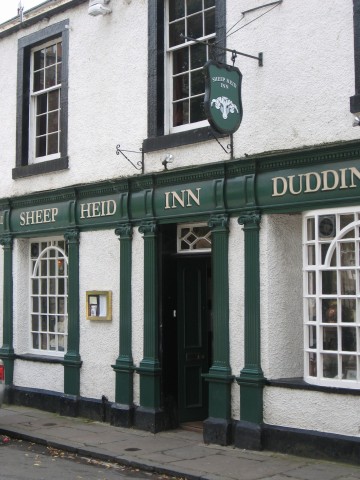
    Sheep Heid Inn — In 2010, I had just finished writing my novel, Forget-Me-Not.  When I went to Edinburgh in August, I made an effort to visit some of the settings from my book, including Duddingston Loch, where both Darcy and Mary fretted about the nature of true love.  Ed and I admired the scenic lake and then went for lunch at the oldest pub in Scotland, the Sheep Heid Inn, established in 1360.  Historically, this cozy pub has been frequented by famous monarchs and poets like Mary Queen of Scots and her son, James VI, as well as Robert Louis Stevenson and Robert Burns.  Ed and I loved the atmosphere as well as the hearty food.  I enjoyed a tasty chicken and chorizo salad, while Ed devoured a filling Angus beef burger.

  10. Photo by L. Walkins, 1995

    Photo by L. Walkins, 1995

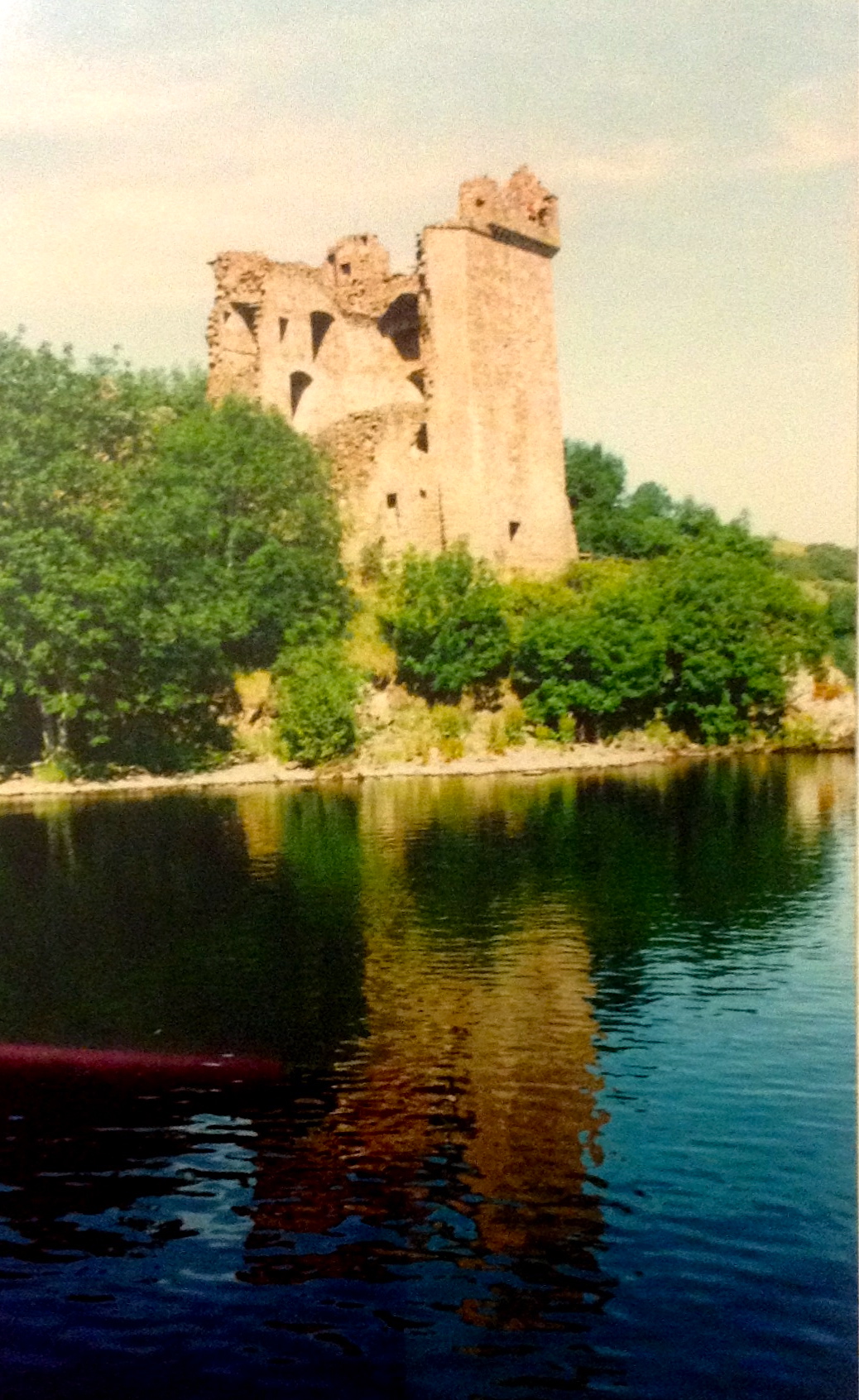
    Loch Ness — In our travels around Scotland, my friend Susan and I took a day cruise on Loch Ness.  It was a beautiful, sunny day.  A pleasant scientist named John piloted the boat and told us some interesting facts about the loch and its notorious monster.  He also regaled us with the history of Urquhart Castle, which graces the shore of the famous loch.  As we approached the castle, we could hear a lone bagpipe player making music from its ramparts.   We got chills!

How I wish I were planning a trip to Scotland like Becca.  Whenever I become nostalgic for my favorite travel destination, I like to lose myself in the pages of one of the Isabel Dalhousie or 44 Scotland Street novels by Alexander McCall Smith and take a vicarious literary journey to walk the streets of Edinburgh with his quirky characters.  Scotland is a place of dramatic history, unique traditions and breathtaking landscapes — a place of wonder!!

Easter Customs: Today and Yesterday

Image

Photo by L. Walkins, August 2010

Each year, Easter is celebrated on the first Sunday following the first full moon of spring.  After a long winter, I have been heartened this week to see some encouraging signs of spring.  Just yesterday, I spotted a cheery bed of crocuses, purple and white petals open to the warm sun.  Two nights ago, a beautiful full moon hung in the night sky, heralding the coming of Easter on this Sunday, March 31.

According to popular legend, many Easter traditions arise from pagan customs related to the Anglo-Saxon goddess of the dawn and spring, Eostre.  In the sixteenth century, when Mary Seton, a character in my novel, Forget-Me-Not, served as a maid of honor to her childhood friend, Mary Queen of Scots, she must have observed some of these traditions while celebrating this important feast day.  Perhaps she exchanged Easter gifts with the Queen and the other Marys.  She may have watched an Easter play or taken part in a flowering the cross ritual.  Most certainly, the Court hosted a Paschal Feast, and perhaps Mary enjoyed eating some hot cross buns.

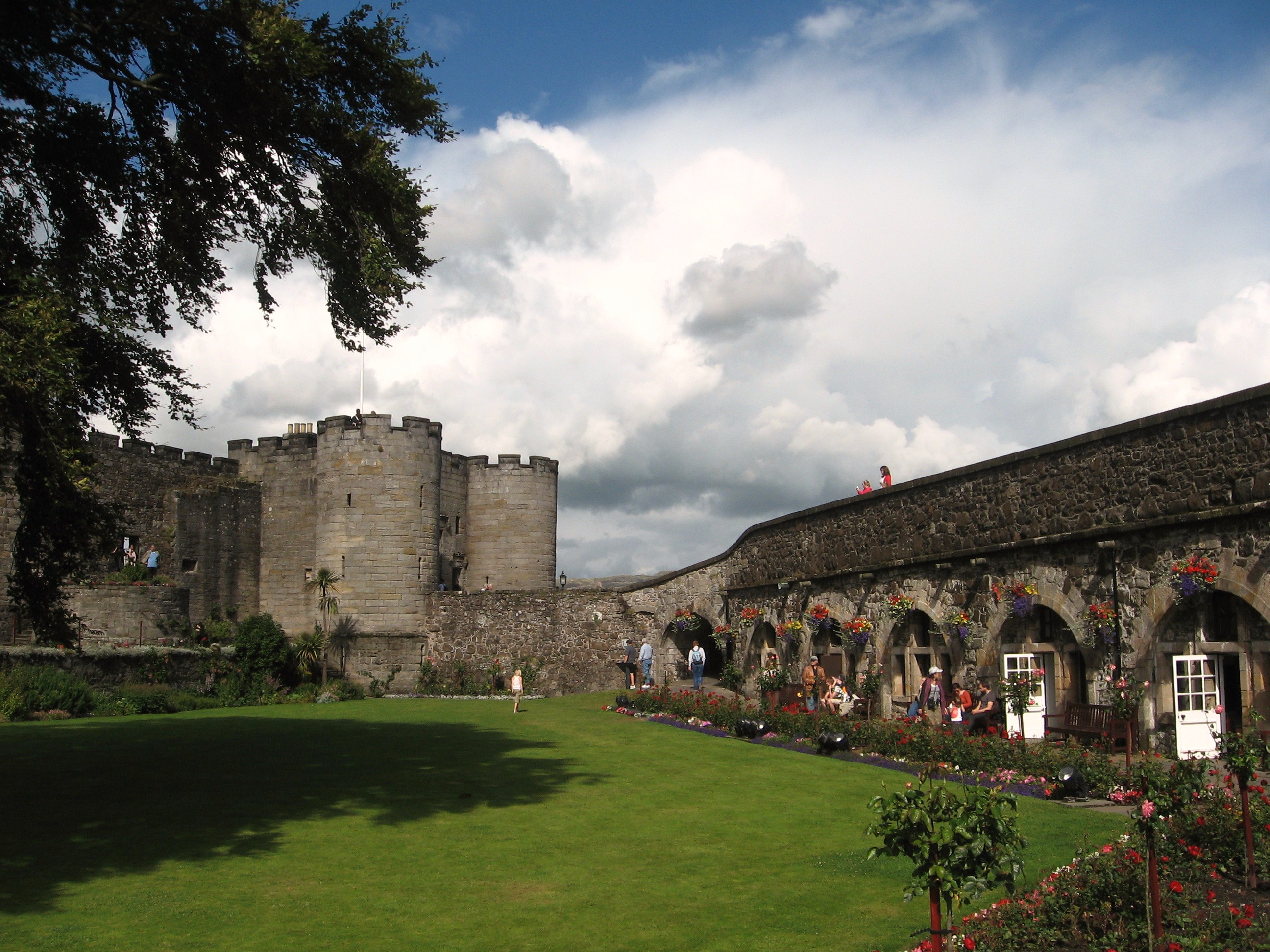
 In the twenty-first century, Stirling Castle, one of Queen Mary’s primary residences during her reign, offers a day of family fun on Easter.  Visitors may compete in a crossbow championship or attend “fool school.”  Children are treated to a special tour during which they discover how Easter was celebrated by the Royal Stewart Court.

 As part of a day tour of the Highlands in August 2010, I briefly visited Stirling Castle with my cousin.  We enjoyed our afternoon, exploring the gardens and learning about the history of the castle, but before we knew it, we had to climb back onto our tour bus and head home for Edinburgh.  How wonderful would it be to go back to Stirling and walk in the footsteps of Mary Seton and her Queen. 

Edinburgh Castle: an Imposing Guardian

At the top of the Royal Mile, Edinburgh Castle looms over the city from its volcanic cliff.  Throughout history, the imposing fortress has guarded the capital, providing a home for generations of monarchs and a dramatic setting for pivotal and exciting events in Scottish history.  Edinburgh Castle is a quintessential landmark.

Image

Photo by L. Walkins

In Forget-Me-Not, when Darcy enters the city by train, she is thrilled and amazed by her first glimpse of Edinburgh Castle.

As the train chugged toward the station, the castle, a commanding and majestic fortress, appeared on the horizon.  Perched on its cliff of volcanic rock, Edinburgh Castle dominated the skyline.  Darcy covered her mouth with one hand as her eyes widened. 

The sight of the imposing edifice called to mind bits of her dream.  Darcy rubbed sleep from her eyes as the train entered the station and the stunning view of the castle vanished as suddenly as it had appeared . . .

When she emerges from Waverley Station, she catches sight of the Castle again.

She stepped out onto the busy sidewalk and tried to get her bearings.  As she turned in the direction of the hotel, she once again beheld a splendid view of Edinburgh Castle.  Above the gardens, the fortress rose stalwartly with flags flying from its stone ramparts.  Darcy paused to stare as the crowds of tourists jostled past her . . .

Image

Photo by L. Walkins

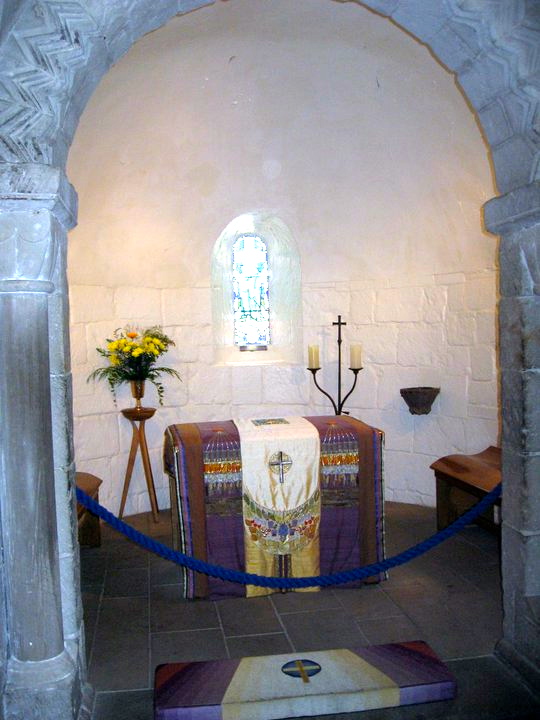
Whenever I travel to Edinburgh, the Castle is always high on my list of sightseeing musts.  After learning about Scotland’s royal and military history in the Great Hall and the Royal Palace and then the military museums, I enjoy taking a quiet moment in the oldest part of the castle: St. Margaret’s Chapel.  Like Darcy and her friend, Kathleen, I am enchanted by this tranquil corner of the bustling fortress.  I like to imagine generations of Scottish royalty retreating to the chapel to pray, seeking answers or perhaps forgiveness.  Built in 1130 the chapel is the oldest surviving building in Edinburgh.  According to the Castle’s website, the chapel is still used for christenings and weddings today.

A day at the Castle would not be complete without topping off the visit with a Castle-baked snack from one of the cafés followed by a look around the gift shop.   If you have never tried Millionaire’s shortbread and you love chocolate and caramel, I highly recommend you order this delectable treat at The Tea Rooms or the Redcoat Café.   The three shops at the Castle offer a fine selection of souvenirs, Scottish crafts, and Clan gifts, as well as whisky and fine foods.

Photo by L. Walkins

One final note!  If you visit Scotland in August don’t miss the opportunity to go to the Military Tattoo at Edinburgh Castle.  A highlight of the annual summer arts festival, the Tattoo offers a spectacular evening of rousing music, traditional dance and glorious fireworks on the Castle Esplanade.  The sight and sounds of the massed pipe and drum bands are inspiring.  The 2013 Military Tattoo will celebrate the Year of Natural Scotland.