Tag Archives: Forget-Me-Not

Carousel Rides: Galloping Back to the Simple Pleasures of Childhood

Photo by L. Walkins

Photo by L. Walkins

Who can resist the glittering lights, flashing mirrors and beckoning music of a merry-go-round?  For me, climbing into the saddle of a lavishly painted carousel horse always transports me on a nostalgic journey back to the simple pleasures of childhood.  For the past several years, while on vacation, I have tracked down a carousel to ride (and photograph) whenever possible.  I have ridden them in New York, Chicago and even Paris, France.  I have found merry-go-rounds populated by animals on the endangered species list or animated sea creatures.  The most unusual carousel I have come across in the my travels was a double-decker carousel at Wildwood in New Jersey.  One of my favorite carousels is located in Princes Street Gardens in Edinburgh, Scotland (the same one my character Darcy Seton rides in Forget-Me-Not).

Photo by L. Walkins

Photo by L. Walkins

It is interesting to note that the cheerful carousel that enchants Darcy Seton can trace its origins back to the jousting tournaments most likely attended by her ancestor, Mary, maid of honor to Mary, Queen of Scots.  The word carousel comes from the Italian carosello which means “little war.”  In medieval times, knights competed in a game requiring them to catch a ring suspended from a tree branch with their spear.  As part of their training, the knights used a rotating practice machine equipped with model horses and chariots suspended by chains from a center pole.  Through the centuries, this practical machine evolved into the popular amusement park or fairground attraction of today.
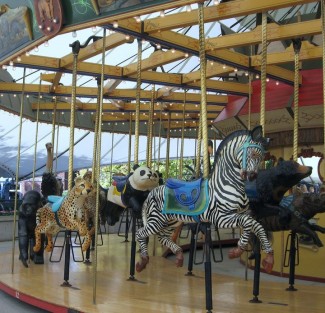
Photo by L. Walkins

Photo by L. Walkins

From 1880 to 1930, the carousel enjoyed a golden age in America.  During that time, master carvers created magnificent hand-carved and decoratively painted wooden animals.  Today, they are considered treasured works of art, an important part of Americana.  Fewer than 150 of these classic carousels remain in operation.  The two oldest American carousels date back to 1876.  Located in Westerly, Rhode Island and in Oak Bluffs, MA on the island Martha’s Vineyard, they are both flying horse carousels.  The horses are not attached to the floor of the carousel housing.  Instead, they are suspended by chains and fly out as the ride revolves.
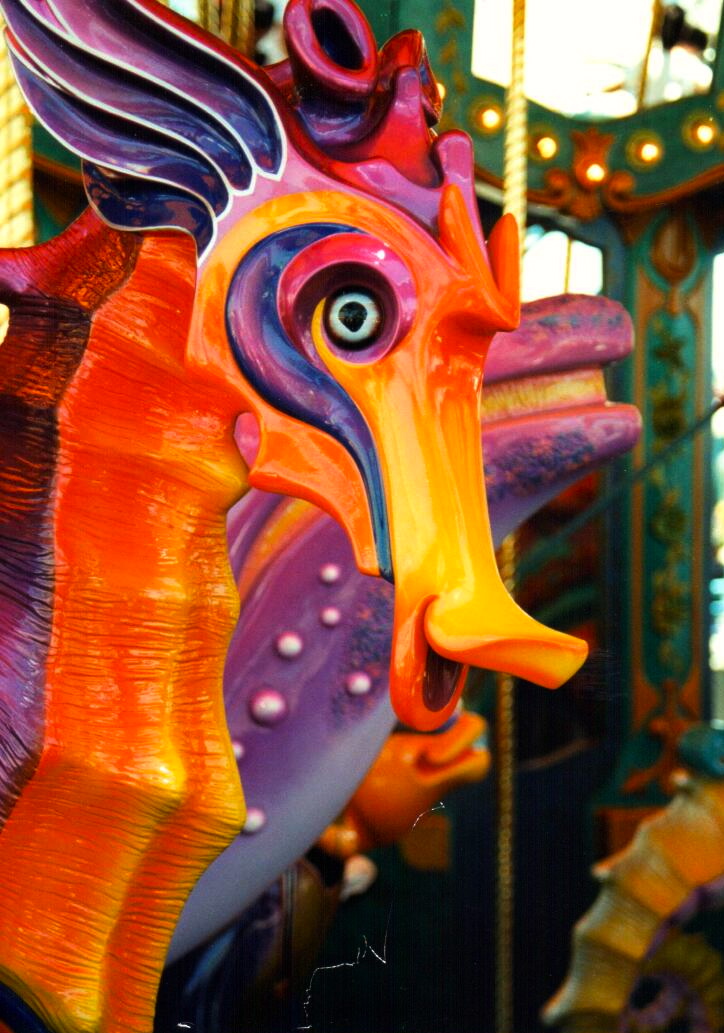
Photo by L. Walkins

Photo by L. Walkins

My state, Massachusetts, is home to seven additional antique carousels.  I think I’ll have to plan a road trip this summer to continue my quest.  In addition to riding some of these local carousels, I may also  drive down to Bristol, Connecticut to visit the New England Carousel Museum.   Undoubtedly, a merry time will be had by all!
Easter Customs: Today and Yesterday

Image

Photo by L. Walkins, August 2010

Each year, Easter is celebrated on the first Sunday following the first full moon of spring.  After a long winter, I have been heartened this week to see some encouraging signs of spring.  Just yesterday, I spotted a cheery bed of crocuses, purple and white petals open to the warm sun.  Two nights ago, a beautiful full moon hung in the night sky, heralding the coming of Easter on this Sunday, March 31.

According to popular legend, many Easter traditions arise from pagan customs related to the Anglo-Saxon goddess of the dawn and spring, Eostre.  In the sixteenth century, when Mary Seton, a character in my novel, Forget-Me-Not, served as a maid of honor to her childhood friend, Mary Queen of Scots, she must have observed some of these traditions while celebrating this important feast day.  Perhaps she exchanged Easter gifts with the Queen and the other Marys.  She may have watched an Easter play or taken part in a flowering the cross ritual.  Most certainly, the Court hosted a Paschal Feast, and perhaps Mary enjoyed eating some hot cross buns.

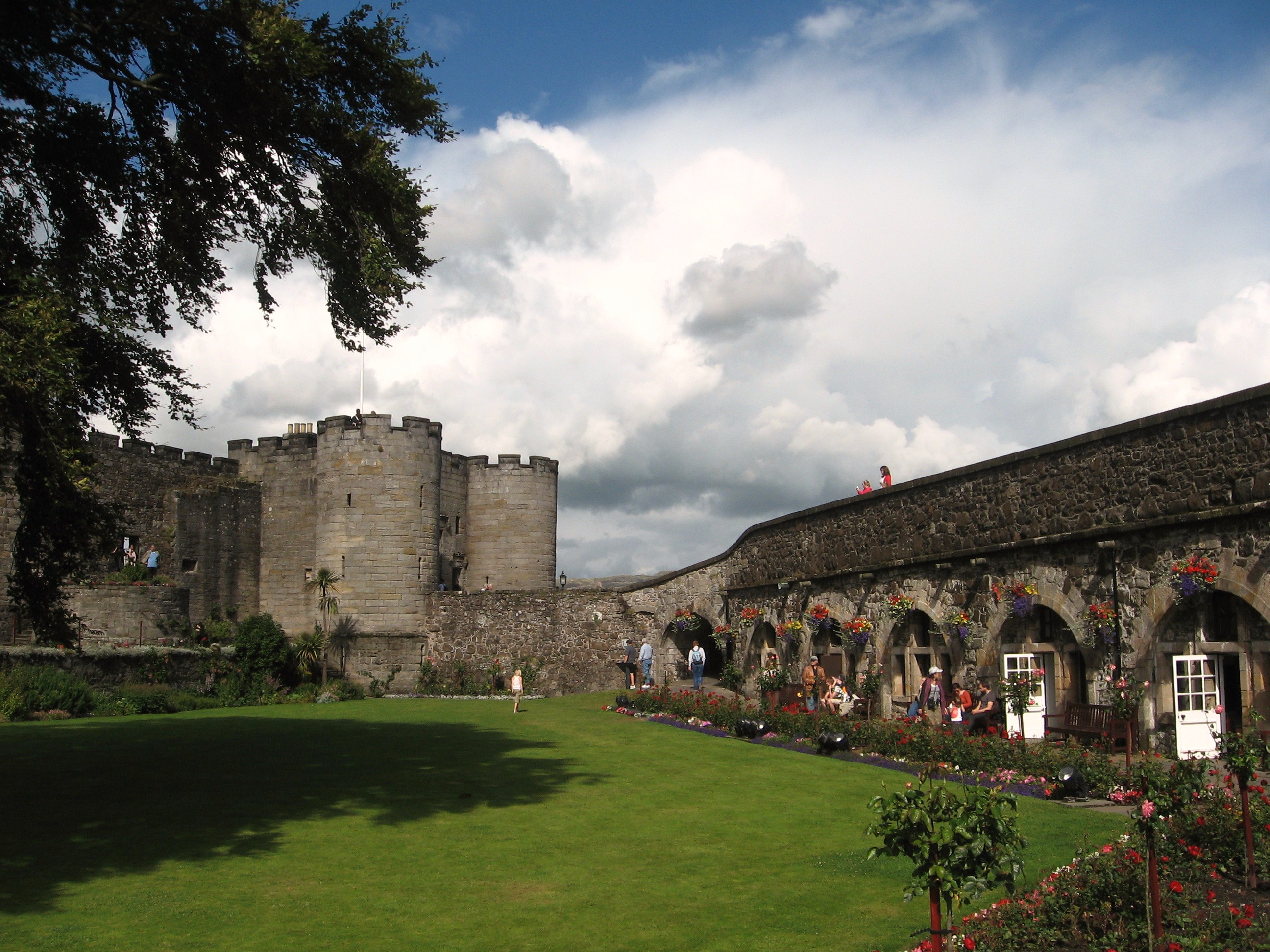
 In the twenty-first century, Stirling Castle, one of Queen Mary’s primary residences during her reign, offers a day of family fun on Easter.  Visitors may compete in a crossbow championship or attend “fool school.”  Children are treated to a special tour during which they discover how Easter was celebrated by the Royal Stewart Court.

 As part of a day tour of the Highlands in August 2010, I briefly visited Stirling Castle with my cousin.  We enjoyed our afternoon, exploring the gardens and learning about the history of the castle, but before we knew it, we had to climb back onto our tour bus and head home for Edinburgh.  How wonderful would it be to go back to Stirling and walk in the footsteps of Mary Seton and her Queen. 

Edinburgh Castle: an Imposing Guardian

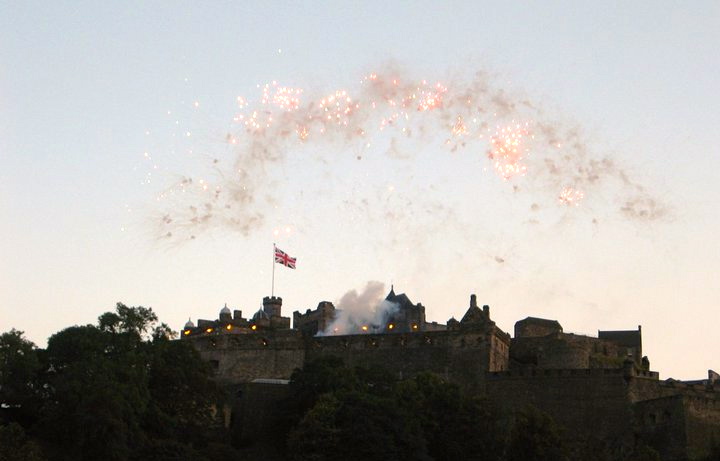
At the top of the Royal Mile, Edinburgh Castle looms over the city from its volcanic cliff.  Throughout history, the imposing fortress has guarded the capital, providing a home for generations of monarchs and a dramatic setting for pivotal and exciting events in Scottish history.  Edinburgh Castle is a quintessential landmark.

Image

Photo by L. Walkins

In Forget-Me-Not, when Darcy enters the city by train, she is thrilled and amazed by her first glimpse of Edinburgh Castle.

As the train chugged toward the station, the castle, a commanding and majestic fortress, appeared on the horizon.  Perched on its cliff of volcanic rock, Edinburgh Castle dominated the skyline.  Darcy covered her mouth with one hand as her eyes widened. 

The sight of the imposing edifice called to mind bits of her dream.  Darcy rubbed sleep from her eyes as the train entered the station and the stunning view of the castle vanished as suddenly as it had appeared . . .

When she emerges from Waverley Station, she catches sight of the Castle again.

She stepped out onto the busy sidewalk and tried to get her bearings.  As she turned in the direction of the hotel, she once again beheld a splendid view of Edinburgh Castle.  Above the gardens, the fortress rose stalwartly with flags flying from its stone ramparts.  Darcy paused to stare as the crowds of tourists jostled past her . . .

Image

Photo by L. Walkins

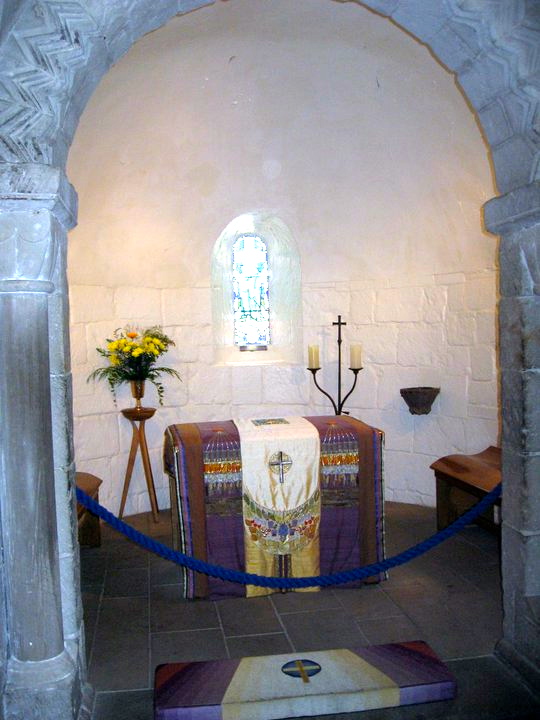
Whenever I travel to Edinburgh, the Castle is always high on my list of sightseeing musts.  After learning about Scotland’s royal and military history in the Great Hall and the Royal Palace and then the military museums, I enjoy taking a quiet moment in the oldest part of the castle: St. Margaret’s Chapel.  Like Darcy and her friend, Kathleen, I am enchanted by this tranquil corner of the bustling fortress.  I like to imagine generations of Scottish royalty retreating to the chapel to pray, seeking answers or perhaps forgiveness.  Built in 1130 the chapel is the oldest surviving building in Edinburgh.  According to the Castle’s website, the chapel is still used for christenings and weddings today.

A day at the Castle would not be complete without topping off the visit with a Castle-baked snack from one of the cafés followed by a look around the gift shop.   If you have never tried Millionaire’s shortbread and you love chocolate and caramel, I highly recommend you order this delectable treat at The Tea Rooms or the Redcoat Café.   The three shops at the Castle offer a fine selection of souvenirs, Scottish crafts, and Clan gifts, as well as whisky and fine foods.

Photo by L. Walkins

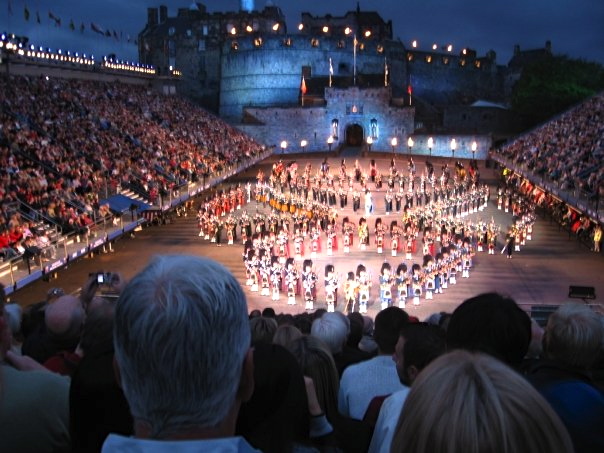
One final note!  If you visit Scotland in August don’t miss the opportunity to go to the Military Tattoo at Edinburgh Castle.  A highlight of the annual summer arts festival, the Tattoo offers a spectacular evening of rousing music, traditional dance and glorious fireworks on the Castle Esplanade.  The sight and sounds of the massed pipe and drum bands are inspiring.  The 2013 Military Tattoo will celebrate the Year of Natural Scotland.