Category Archives: Literature

Amelia and Jane

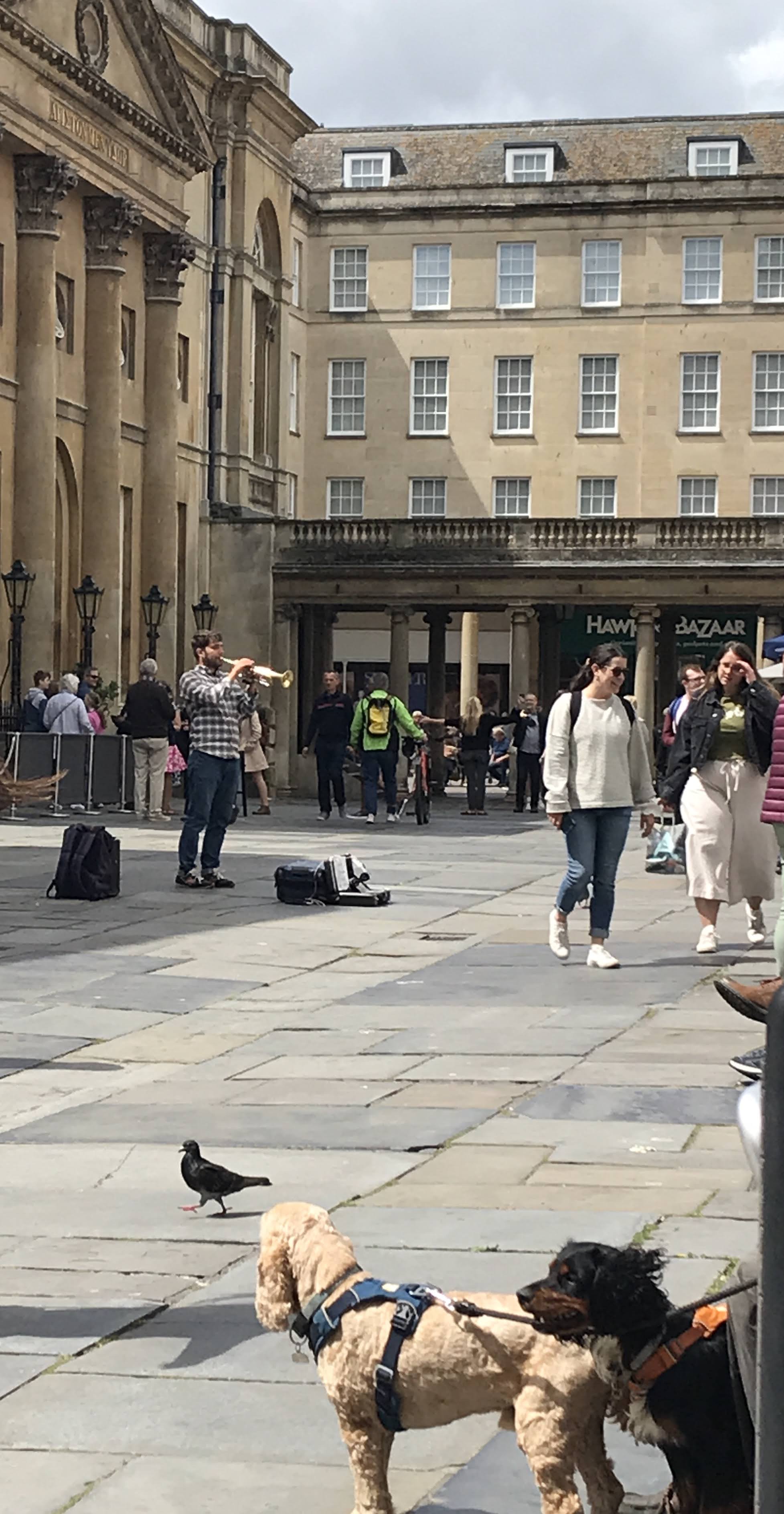
Amelia Reed, 10 years old, could not believe she was in Bath, England.  Her favorite author, Jane Austen, once lived here.  Jane must have walked through the Abbey Churchyard passing by the very spot where Amelia now stood beside her aunt, Joy.  All around them, people strolled across the square.  A couple of dogs chased each other in circles barking happily. A cello player performed in front of a bakery, filling the square with music.

Thanks to her fourth grade teacher, Ms. Crocker, Amelia had discovered Jane Austen that spring.  On the bookshelves in her classroom, Ms. Crocker had a set of Great Illustrated Classics, including Pride and Prejudice, Jane’s most famous novel, which Amelia borrowed for their drop everything and read periods.  As she read about Elizabeth and the other Bennett sisters, she quickly decided that Jane would be her new favorite author, edging aside L.M. Montgomery,

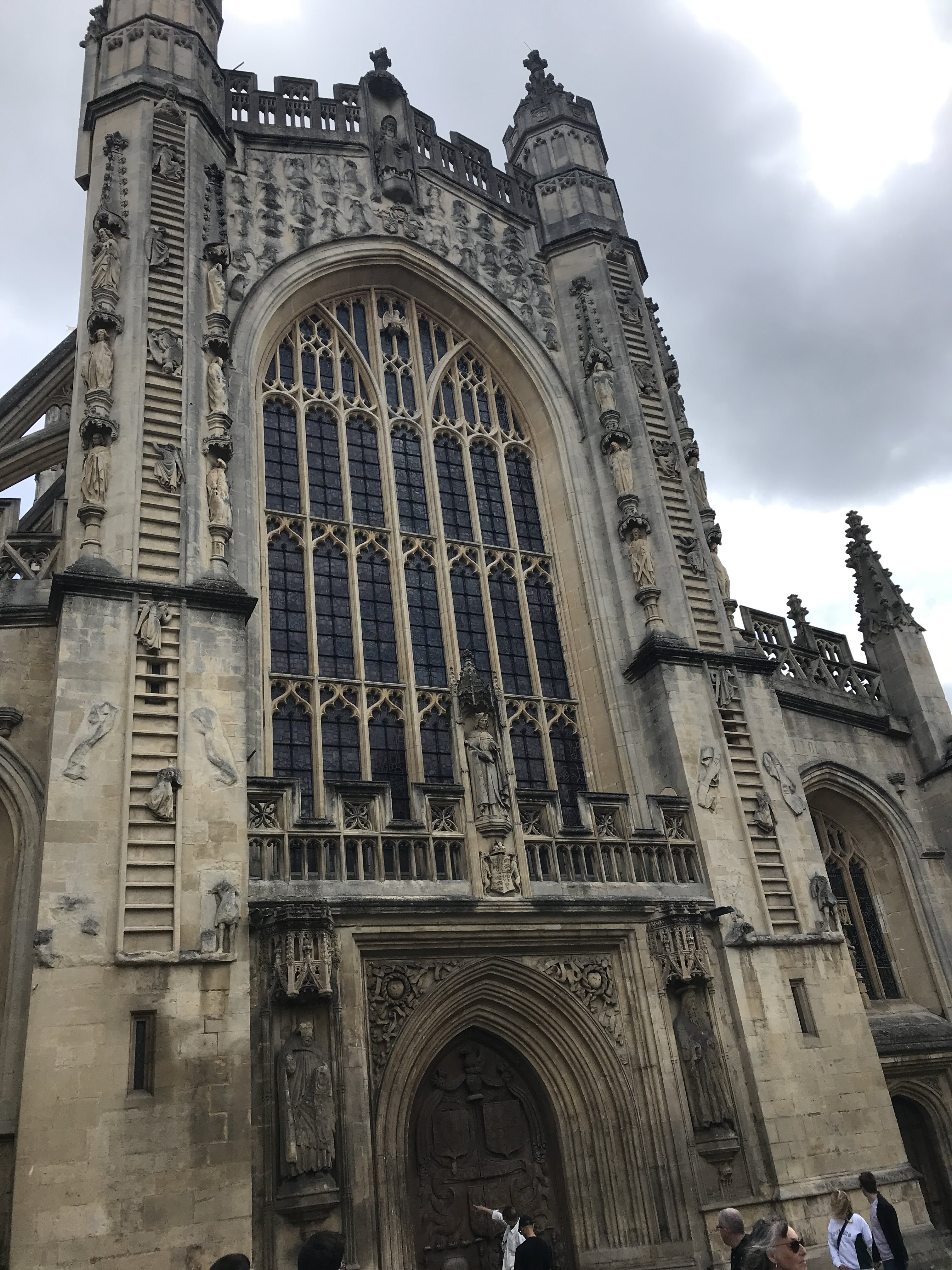
Amelia brushed her blonde bangs out of her face as she and Joy peered up at the entrance to the abbey, shading their eyes from the summer sun.  Amelia carefully counted the stone angels climbing the ladders on either side of the grand doorway.  Twelve.  She wondered what Jane would have thought of those angels.

“I’m so glad, Mom and I came to visit you in London,” Amelia said, slipping her hand into her aunt’s. “And thank you so much for taking me here where Jane Austen lived.”

“Oh, sweetie, I’m happy you’re here.  It’s too bad your mom had to go to her conference this morning.  I think she would love Bath.” Joy took Amelia’s other hand and spun her around.  Joy’s silver bangle bracelets tinkled merrily on her wrist and the skirt of Amelia’s lavender sundress swirled around her knees.

“Guess where we’re going next?” Joy asked and went on before Amelia could answer, “The Jane Austen Centre.  It’s a whole museum about Jane and it has an elegant tea room at the top.”

“Are we going to have tea?” Amelia gave a little skip.

Joy nodded, skipping alongside her niece, her thong sandals slapping cheerfully against her heels.

“And scones?”

“Of course.  Let’s go.”

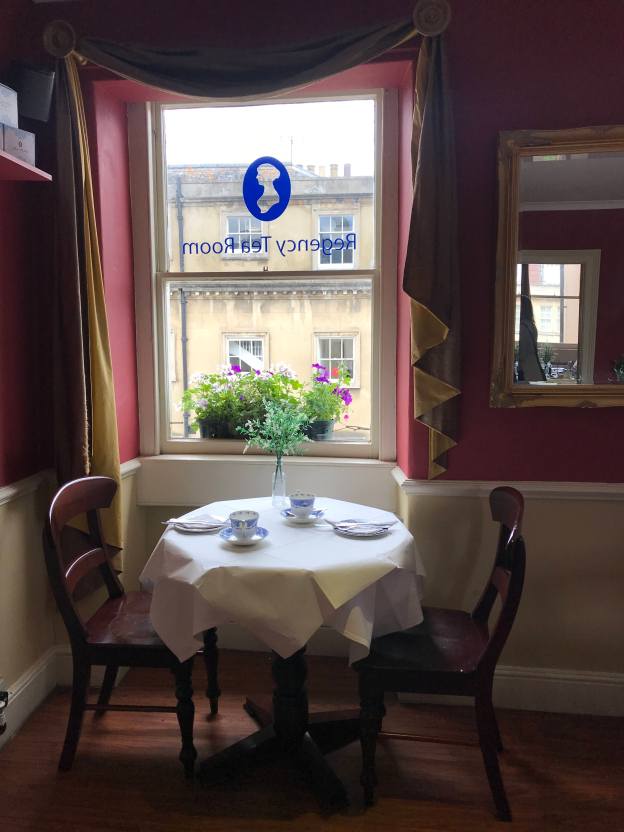
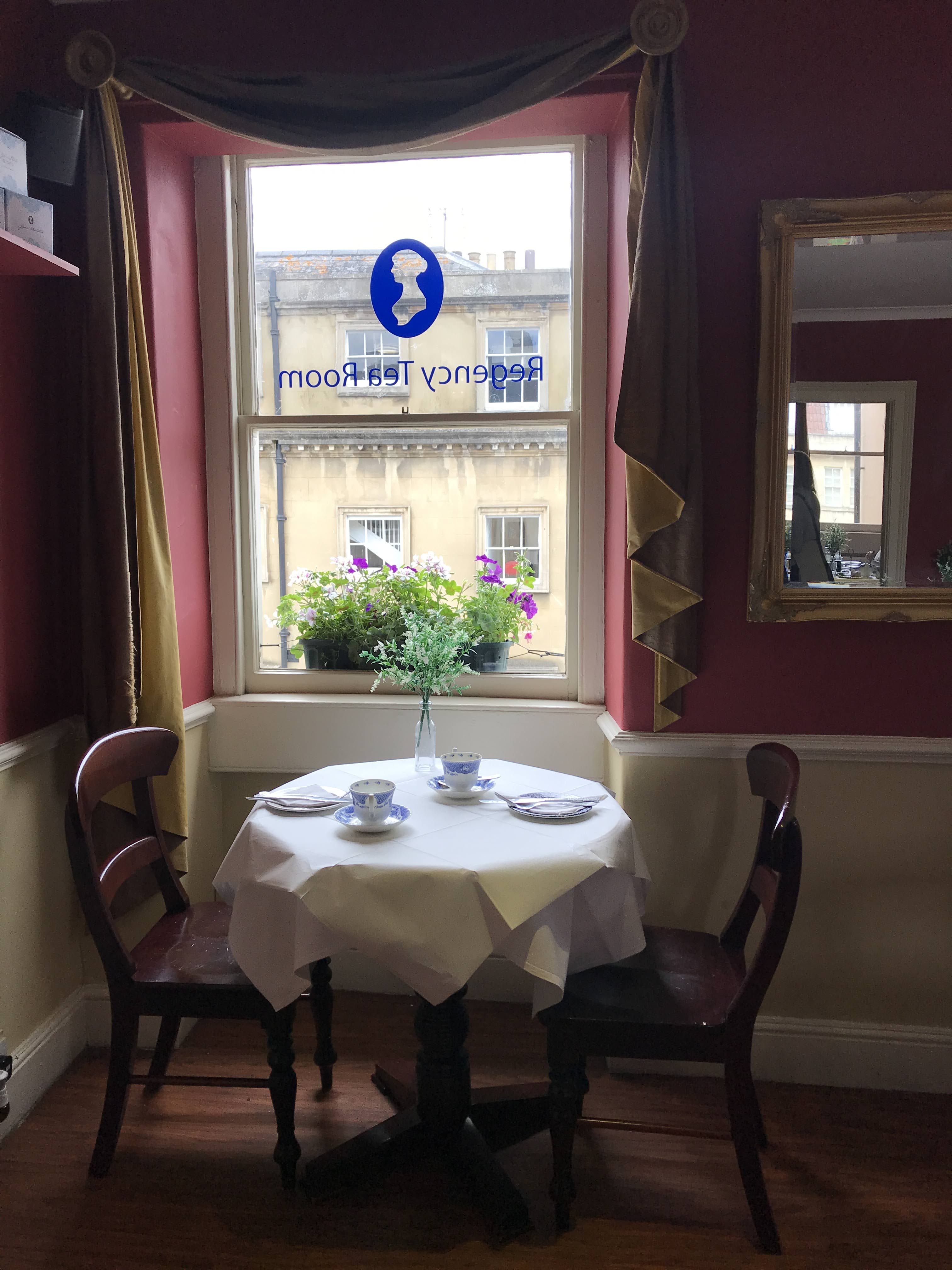
An hour later, Amelia and Joy sat at a table by the sunlit window in the Regency Tea Room.  Amelia had a cup of peppermint tea and Joy had a citrus tea called Empress of Peking.  They shared a three-tiered plate of sandwiches and scones.

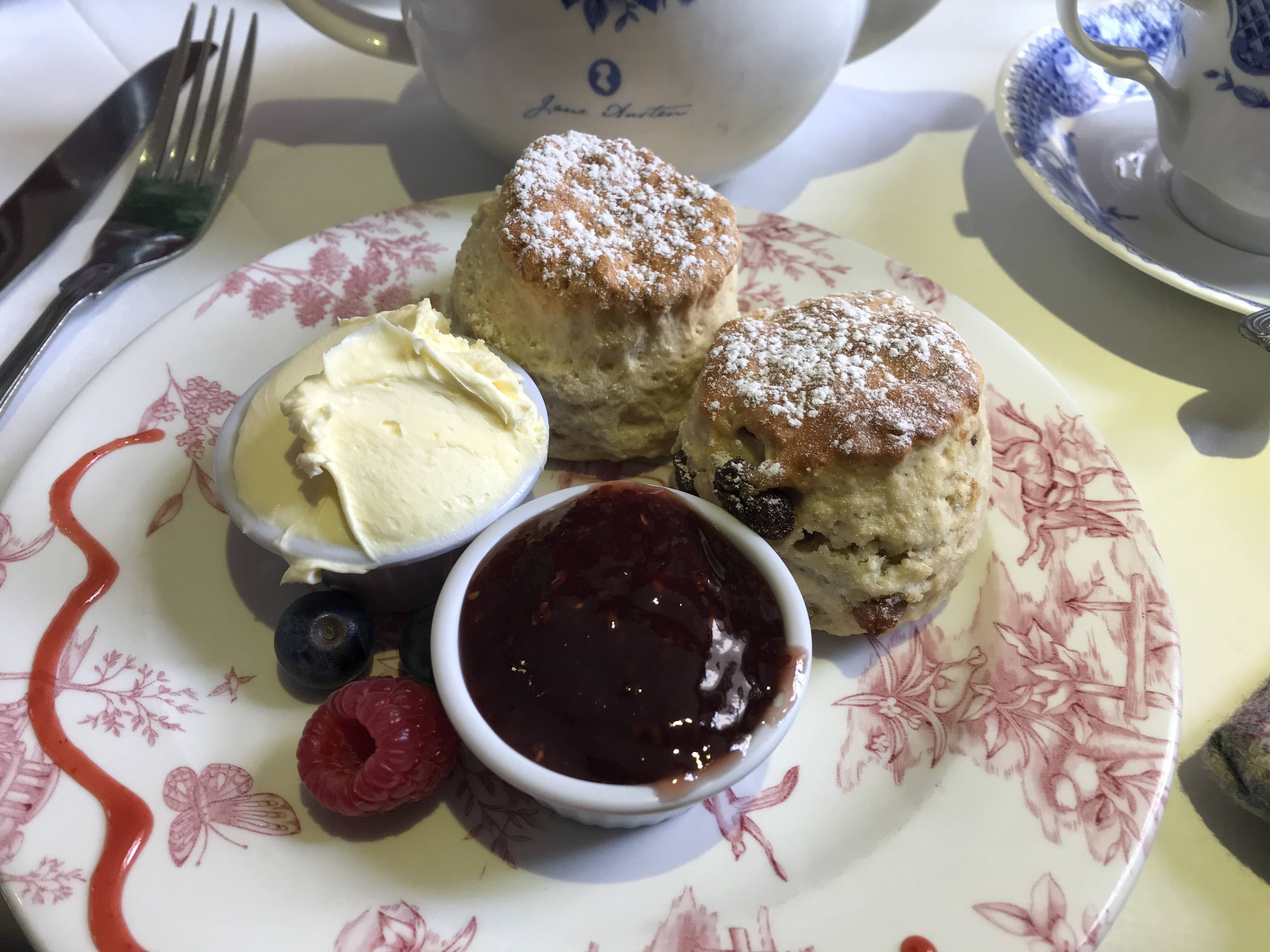
Amelia sliced her scone in half and slathered it with raspberry jam followed by clotted cream.  “This museum is excellent,” she said before taking a bite of her scone.  

“What did you like the best?”

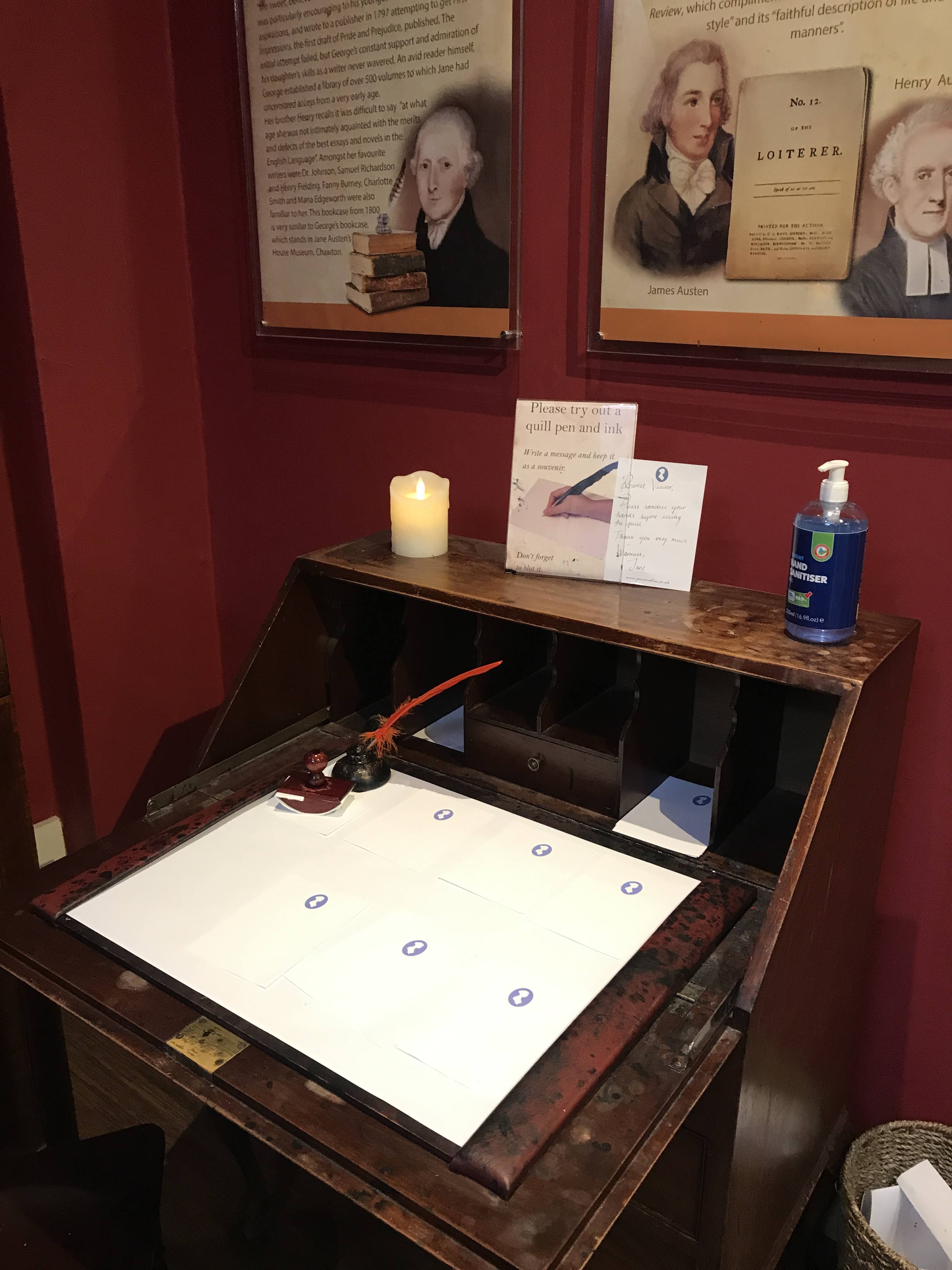
Amelia finished her scone and licked jam and cream from her fingers.  “Dressing up in the Regency clothes and writing with the quill pen.  It was much easier than I thought it would be!”

“I liked learning all about Jane’s life,” Joy said.

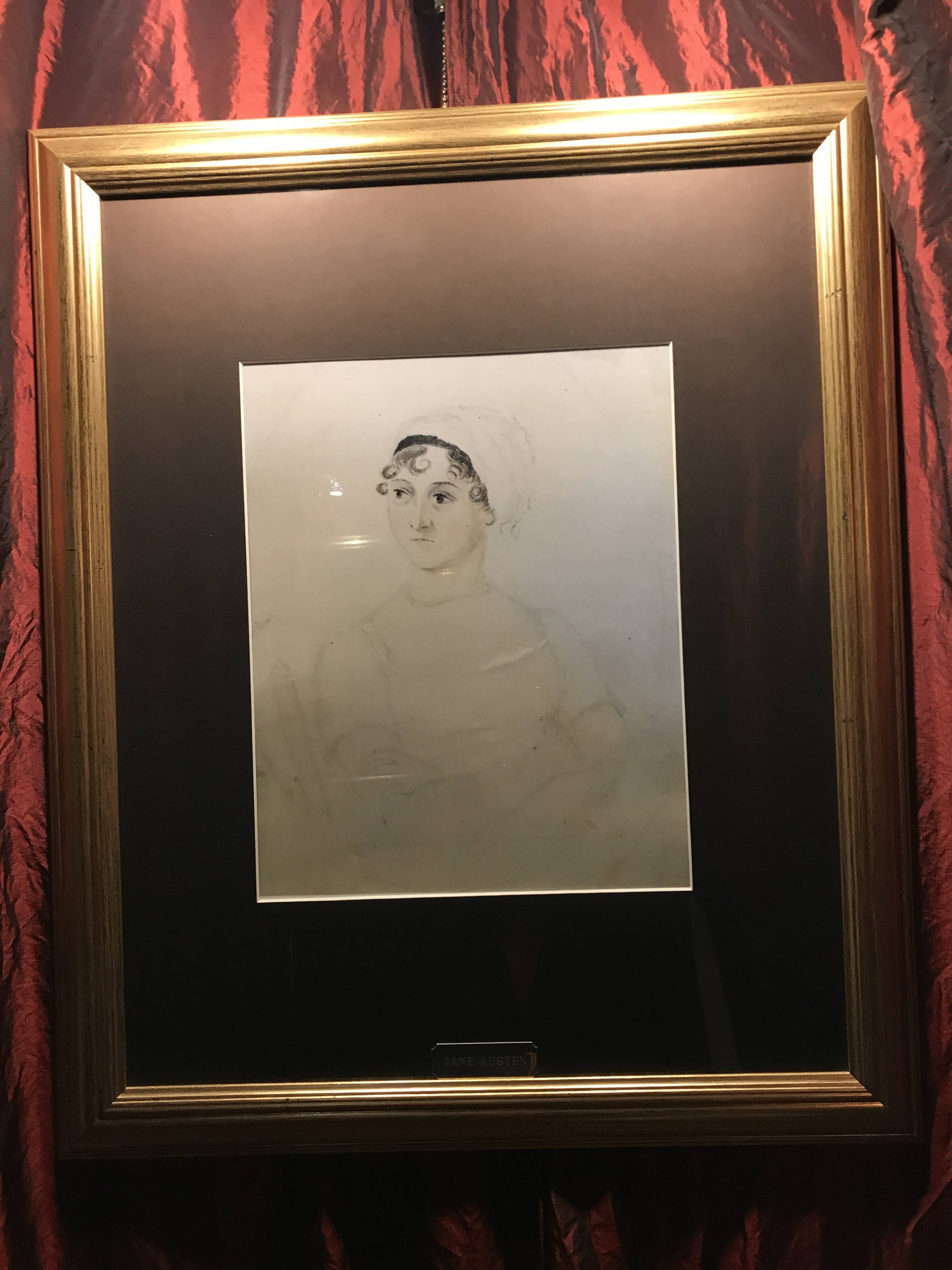
Amelia nodded in agreement.  “Me too.  That picture of Jane that her sister drew is awesome.”

Joy laughed and gestured toward their empty plates.  “I’d love to end our tea with a sweet treat, but I’m pretty full.  I’ll bet you are too, right?”

Wiping her mouth with her cloth napkin, Amelia nodded again and gave a contented sigh.

“What do you think about this idea?  We can pop into that Cornish Bakery we saw near the church and get a treat to eat on the train back to London.  They had some pretty yummy looking things in the window.”

“That’s a great idea.”

“I have an even greater one,” Joy said with a grin, her hazel eyes twinkling.  “I think we should come back here next weekend and bring your Mom with us.”

“Okay,” Ameila agreed.  “Mom likes Jane Austen almost as much as I do, you know.”
A Moment in Time

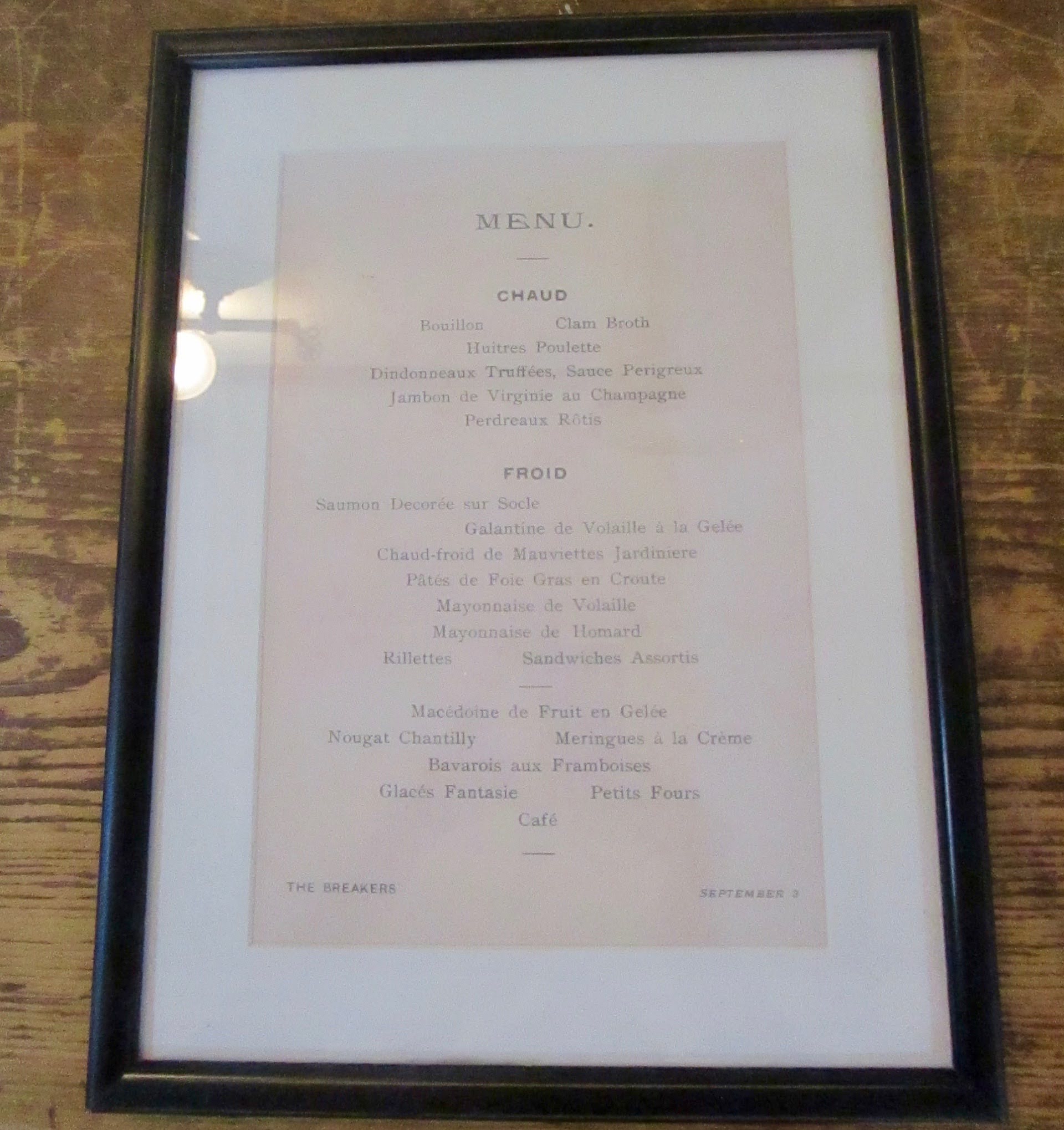
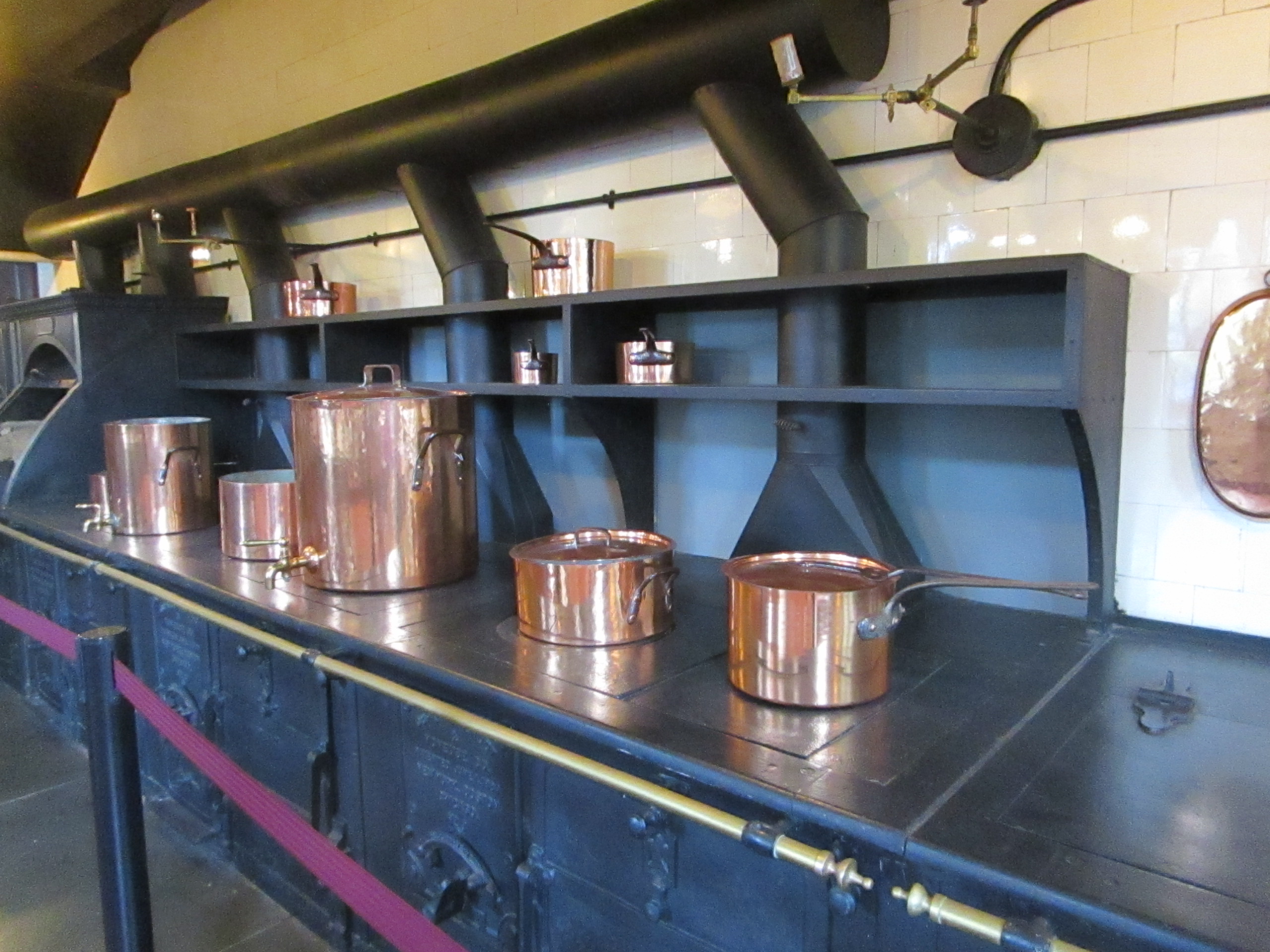
Visiting historic homes is one of my favorite pastimes, when I travel, or when I’m in the mood for a quick day trip from home. Newport, Rhode Island, where wealthy families once built elaborate “summer cottages” during the Gilded Age is a marvelous place to step into the past.

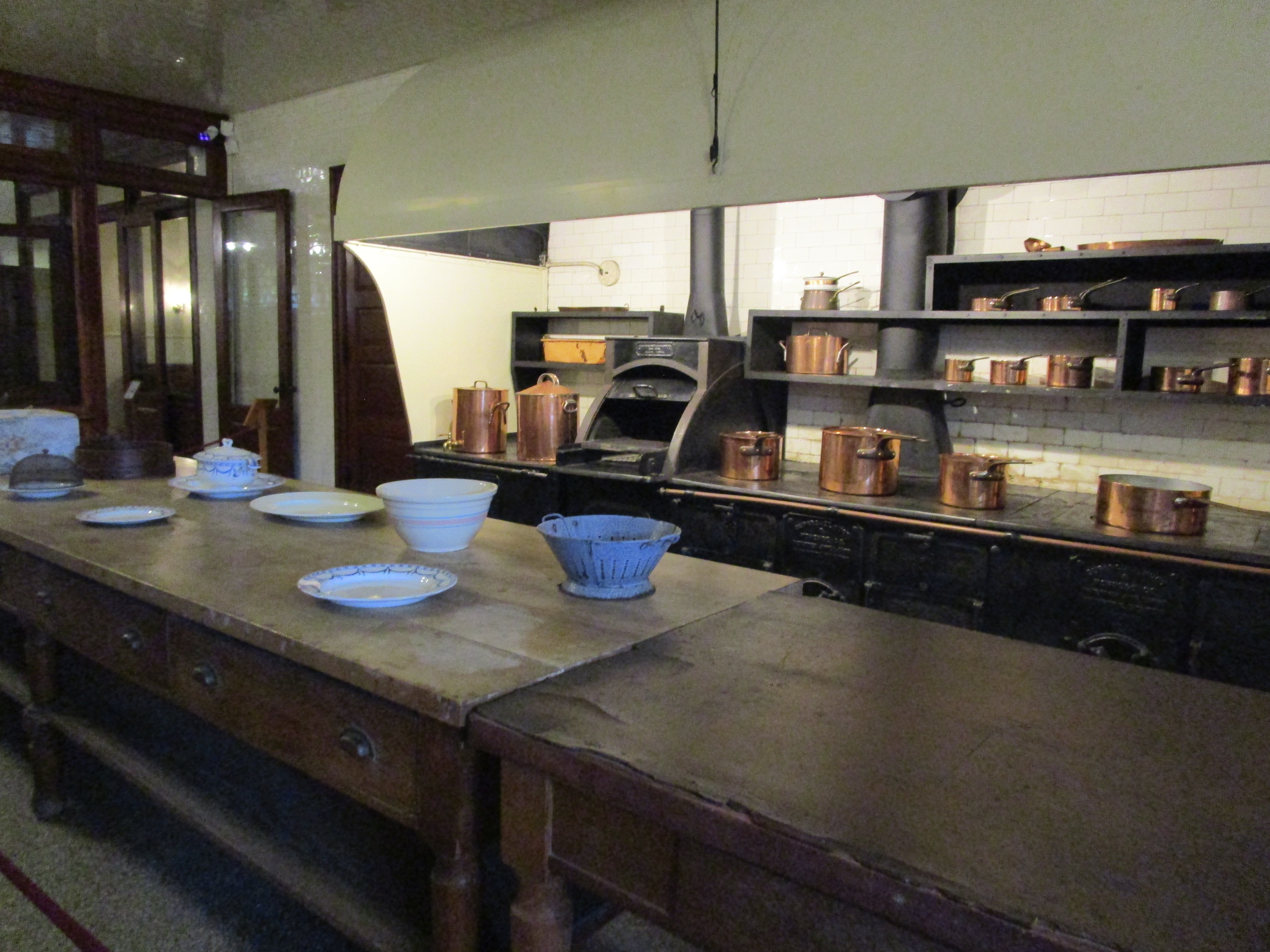
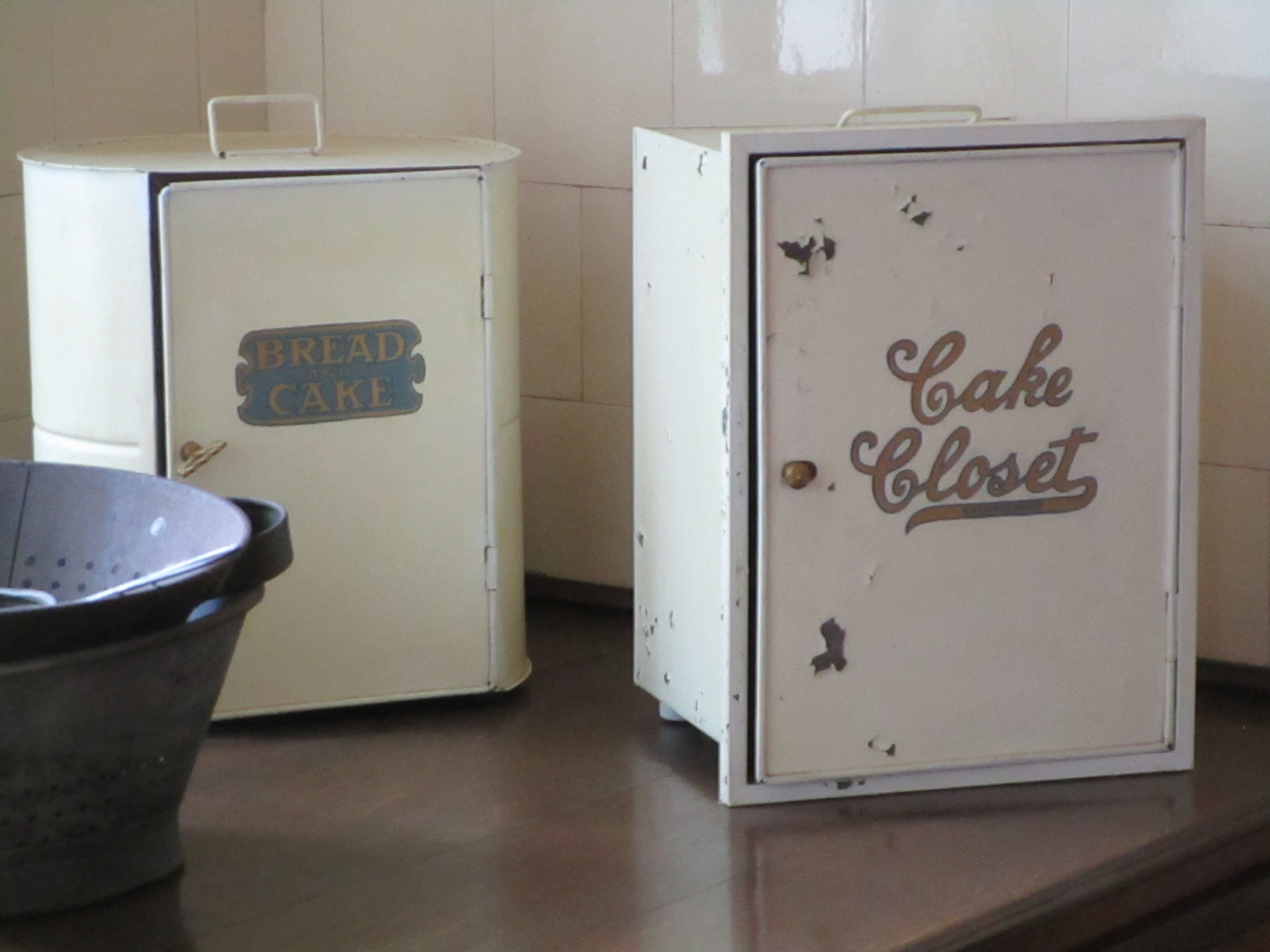
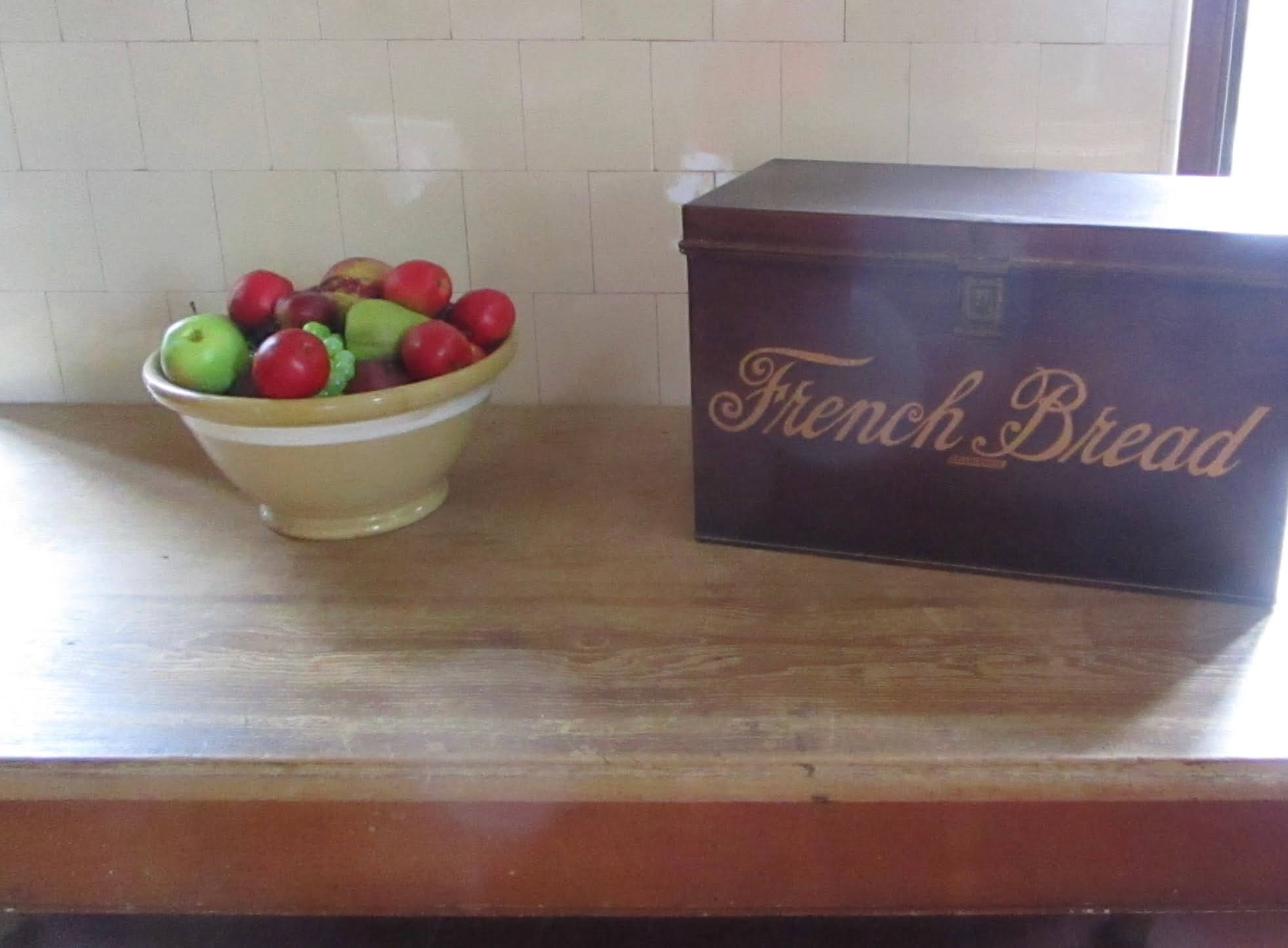
Last summer, a like-minded friend and I took a road trip to Newport. We toured two of the famous mansions, the Breakers and the Elms. One of the rooms I always find fascinating is the kitchen. I enjoy looking at the old-fashioned appliances and equipment used to whip up delicious meals and confections. On our summer visit, we were able to take part in the Servant’s Life tour at the Elms, after traipsing through the ornate rooms upstairs. These photographs have inspired the story below. Happy reading!

Shifting from foot to foot as she stood behind her broad, wooden baker’s bench, Poppy delicately placed a ring of fondant forget-me-nots on the top of the three-tier cake.

Already, the day felt endless. She had risen before sunrise to put the finishing touches on the wedding cake and to get the three additional desserts Mrs. Crocker insisted on adding to the menu into the oven. Time was short. At noon, the daughter of the house was to be wed.

“Ooh! That looks too lovely to eat,” a flutey voice called out from the doorway. “Hello, Poppy!”

The chef looked up and smiled warmly at the bride-to-be. She was dressed in a camel hair wrap coat with a wide fur collar and sturdy walking boots. “Good morning, Miss Rose. My goodness, you’re up early. Are you going out?”

“I couldn’t sleep,” the girl explained. “I was on my way to walk on the beach, but the scent of your baking led me on this detour. What smells so heavenly?”

“Ooh, the tartes tatins!” Poppy exclaimed whirling around to don oven mitts and swiftly pull the French apple tarts from the oven. She let out a sigh of relief as she placed three trays of golden brown pastries on her bench to cool.

Rose drew closer to breathe in the apple-cinnamon aroma, letting her coat slip from her shoulders. She lifted a floury sheet of paper from the table top. It was a hand-written recipe for madeleine cakes.

“That’s the last item on the menu I have to prepare,” Poppy explained, hurrying around to pick up Rose’s coat and drape it over the back of a black bentwood rocker by the stove. “They’re your grandmother’s favorite.”

Rose nodded and smiled in thanks and observed, “Yes, Granny has always been obsessed with Marcel Proust and his madeleines. The summer I turned ten she insisted on reading the first volume of A La Recherche du Temps Perdu to me.”

She handed the recipe to Poppy and went on, “Mrs. Crocker would make a batch of these cakes every morning. This is her recipe, isn’t it? One morning, she showed me how they were made and even let me help her with the baking.” A wistful smile lit up Rose’s face. “Those madeleines tasted extra nice at tea time. Granny even commented on how good they were.”

“What a lovely memory,” Poppy said, gathering the ingredients to mix the batter for the tea cakes. “Mr. Proust would surely approve.”

“Have you read A La Recherche?” Rose asked with an admiring glance.

“Only in English,” said Poppy, “but the translation is quite good, I think.”

Rose reached for her coat, saying, “Well, I suppose I should let you get on . . .”

At the same time, Poppy said, “Would you like to help . . .”

They each stopped mid-sentence and shared a laugh.

“I don’t mean to presume,” Poppy said hurriedly. “It’s just that I think baking can be a calming pastime and I wondered if it might settle any wedding jitters.”

Rose tilted her head, considering this idea. “I do feel a bit jittery. I suppose that’s why I couldn’t sleep.”

Poppy clasped her hands in front of her, waiting.

With a decisive nod, Rose rolled up her sleeves. “I would love to help. Why shouldn’t I?”

As they got to work, Rose and Poppy continued to chat, casting aside the rules and strictures imposed by society and savoring the warmth and companionship of the moment — a moment they would each look back upon with fond nostalgia.

The Loveliest Place in the World

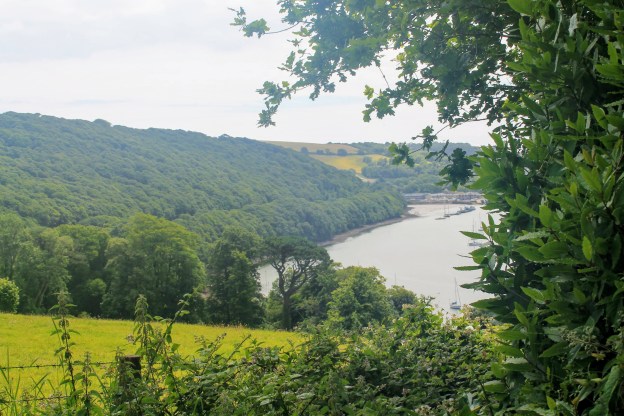
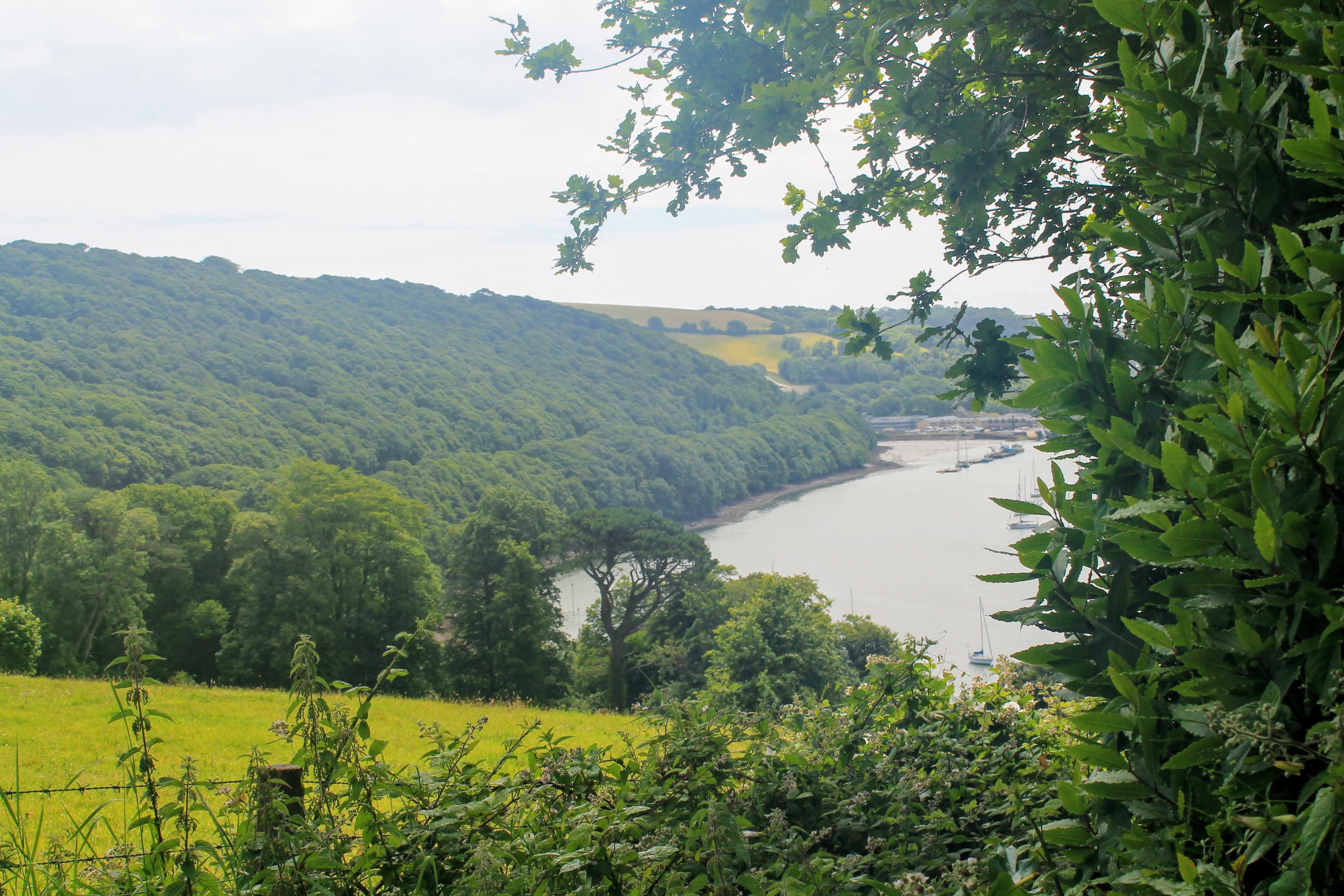
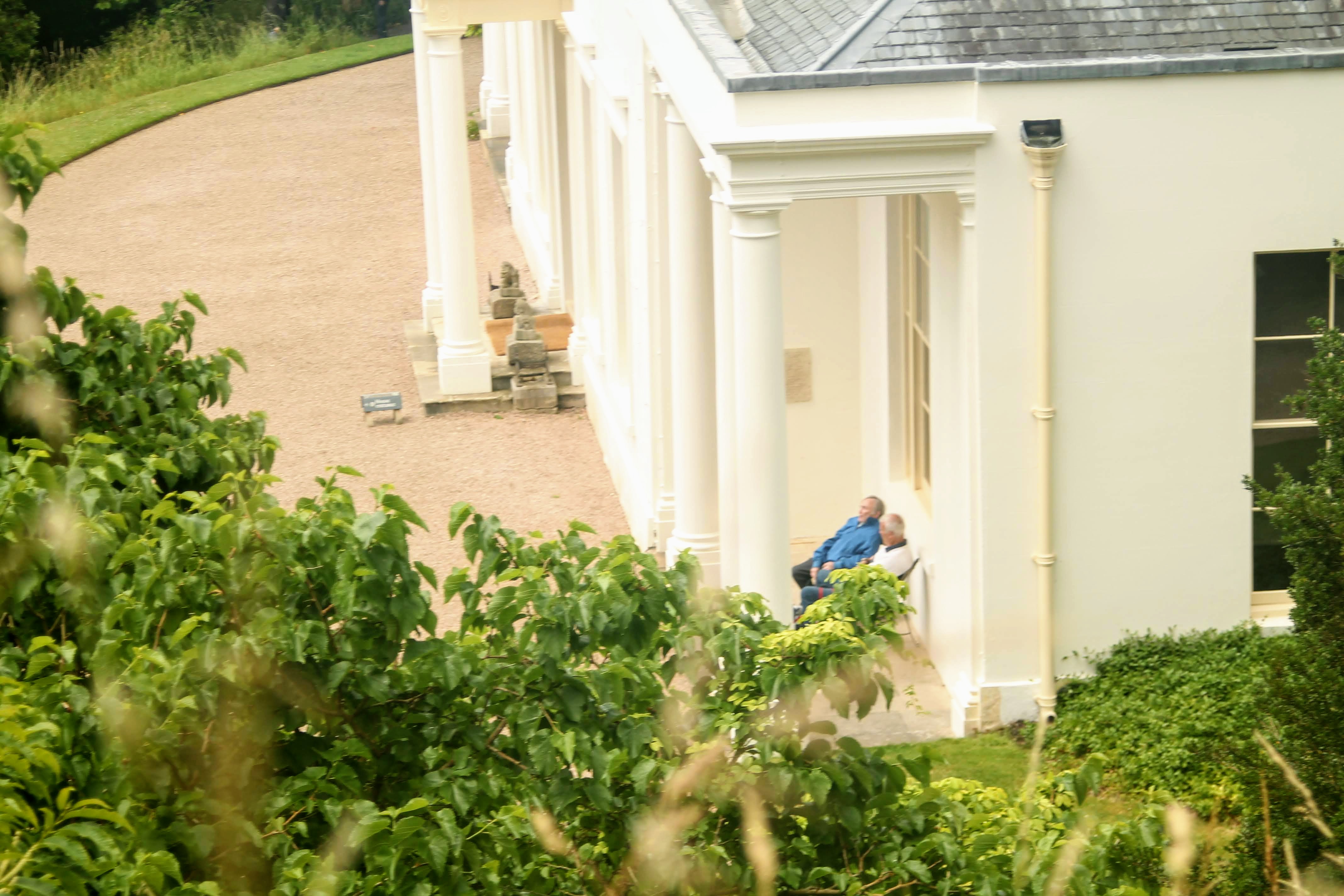
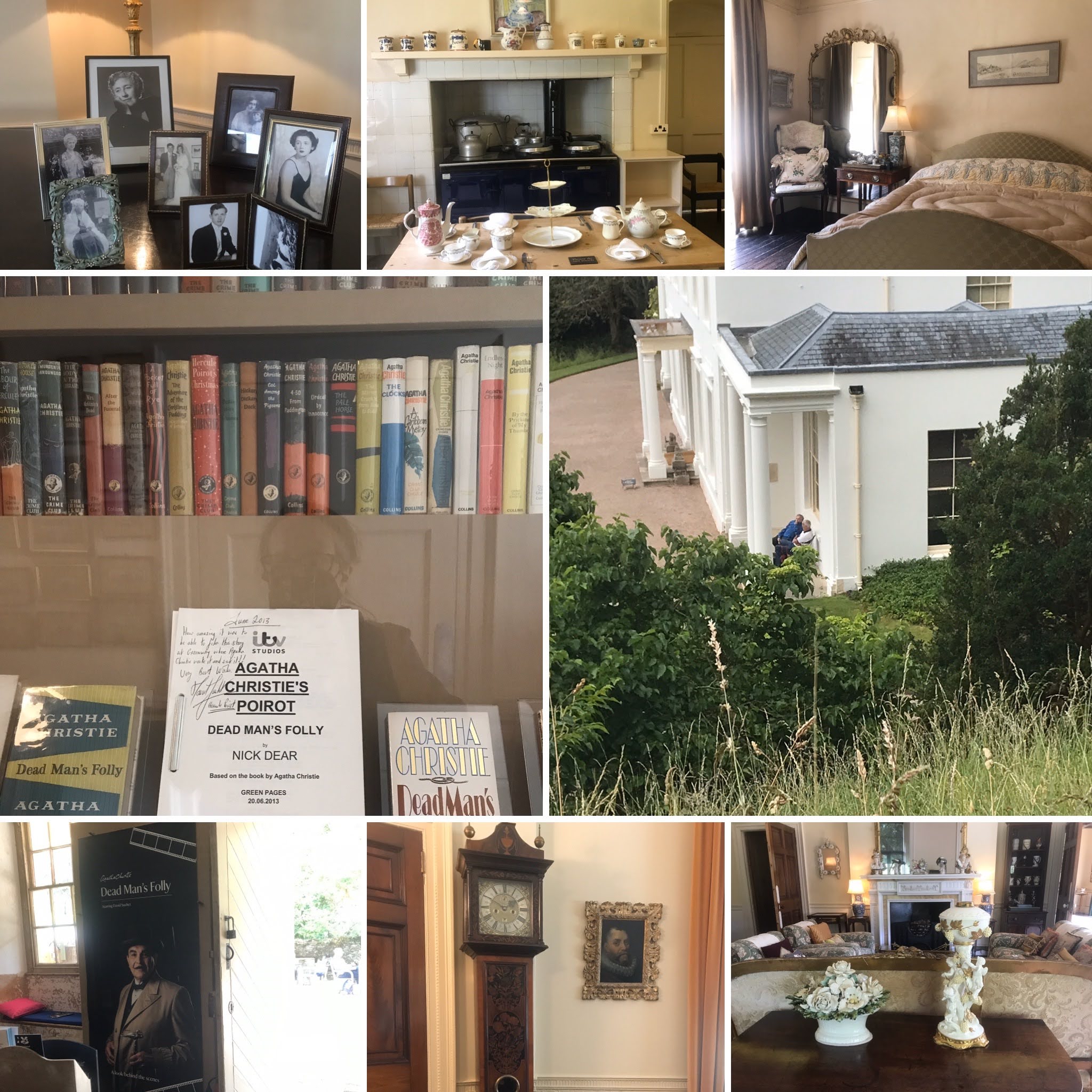
Ever since reading about Agatha Christie’s holiday home in Devon, I have wanted to add Greenway House to my list of literary homes I have visited. In June, my wish came true. My husband and I traveled to London at the beginning of the summer to attend a Billie Eilish concert at the O2 Centre. To complement our musical experience, I fashioned an impromptu literary tour for the remainder of our week in England. On the itinerary were Poets Corner at Westminster Abbey, the Jane Austen Centre in Bath and Greenway House. The photo essay below was inspired by the idyllic afternoon we spent at “the loveliest place in the world.”

Clio gazed down at the Georgian House admiring its white facade and stately pillars. From her vantage point on the hilltop garden path, the holiday home shone in the shimmering afternoon sunshine. Agatha Christie, the home’s famous resident, often referred to Greenway House as the loveliest place in the world. Clio had to agree with her. Lifting her camera to her eye, she snapped photos of the house, a herd of cows grazing in a neighboring pasture and the sparkling river estuary below.

The countryside views in Devon were softer than in Cornwall. Clio had just spent two days exploring the area around Fowey, home to Daphne du Maurier, another of her beloved British writers. With her rugged ocean cliffs, wild surf, and prehistoric standing stones, Cornwall was like a grand and imposing dowager dressed in black, Clio thought with a small grin. Devon, on the other hand was a warm-hearted favorite aunt who was partial to floral print dresses and sun hats.

Daphne du Maurier and Agatha Christie had lived and written in southwest England at the same time. Clio wondered if they had ever met each other or traded correspondence. Had they read each other’s novels?

With a sigh of satisfaction, Clio reached into her quilted shoulder bag for the tourist map she had received from the National Trust tour guide who had showed her around the house. From where she stood in the top garden, it looked like she could follow a winding path down to the famed boathouse where the innocent Girl Guide named Marlene meets a dreadful end in her favorite Christie novel, Deadman’s Folly.

As she traipsed along the well-tended, downhill path, Clio shivered in delight. She was walking in the footsteps of the renowned Queen of Crime. With each step, she imagined the writer rambling through the grounds while mulling over the details of her latest mystery novel. Actually though, in this neighborhood, Christie was simply known as Mrs. Mallowan. Agatha and her archaeologist husband, Max, would come to Greenway to escape the hustle and bustle of their public lives.

Clio nodded and smiled at other walkers, many of whom were accompanied by panting, tail-wagging dogs tugging at their leashes. The woodland gardens were a marvelous spot for a Sunday stroll. At the bottom of the hill, she paused to catch her breath and bundle her chestnut hair into a long ponytail. A sudden gust of wind cooled the back of her neck and set swaths of verdant foliage dancing. The rustling of leaves blended harmoniously with the soothing sound of lapping water. The river was just ahead.

As she approached the boathouse, Clio caught a glimpse of a person standing by the shingled wooden structure.The elderly woman had her neatly coiffed silver hair covered with a plaid scarf. She wore a demure wool suit and sturdy walking shoes. A white and tan wire-haired terrier sat at her feet.

With a friendly smile on her face, Clio hurried forward. For a quick second, she let her gaze wander to the eye-catching river view. When she looked again at the boathouse, the woman and her dog had vanished. Perhaps they had slipped inside. Clio stepped through the open door. The cavernous room was empty, but the faint echo of a dog’s bark and a woman laughingly hushing him filled the air.

So Many Books

In May 2014, my friend, Avery, and I took a Literary Road Trip across Massachusetts.  We visited the homes of Edith Wharton, Louisa May Alcott, Emily Dickinson and Nathaniel Hawthorne.  My favorite literary home was The Mount in Lenox, where Edith Wharton lived for ten years.  Author of the well-received The Decoration of Houses (1897), she designed and decorated the house herself.  Set in the Berkshires, the estate’s grounds and gardens are just as lovely as the elegant home.  I took many photos during our pleasant afternoon, including these pictures of Edith’s library and garden. 


Clarissa stands in front of her floor to ceiling bookshelves.  Behind her, a cheerful fire crackles in the grate.  A persistent rain taps at the windows, but the softly lit room is warm and cozy.

Drawing her cardigan sweater more closely around her narrow shoulders, she lets her gaze sweep across her library.  Catching a glimpse of her weary countenance reflected in the glass doors that open out onto her veranda, she sighs and combs her elegantly manicured fingers through her disheveled silver bob. After three weeks traveling around New England to promote her newest cookbook, she is back home at last.

As the library door swings open with a gentle squeak, Clarissa turns to smile at her secretary, who sets a tea tray on a low table in front of the fire.  The tantalizing scent of cinnamon drifts across the room.

“Hello, Lydia. Something smells delicious,” Clarissa says.

“Cook tried out your new recipe for cinnamon buns.” Lydia takes a seat by the fire and smooths her wool skirt over her knees.

“Cinnamon buns remind me of Christmas morning,” Clarissa remarks.

Lydia laughs, pouring two cups of tea. “The tour went well?”

“Yes, yes. The audience in Brattleboro was particularly enthusiastic.”  Clarissa joins the younger woman and accepts a cup of tea once she is settled in her favorite William Morris wingback chair. “Everyone seems to be a baker there.”

As she sips her tea and chats with Lydia, Clarissa gazes around the snug room once again. Content to be back among her books, she looks forward to spending the rainy afternoon with a good novel.

gardensWharton

Una camera con vista

In February, I was fortunate enough to visit my niece in Florence, Italy.  For five marvelous days, we toured churches and museums, feasted on pasta and gelato, and wandered the narrow streets photographing the sights of this charming and friendly city.  

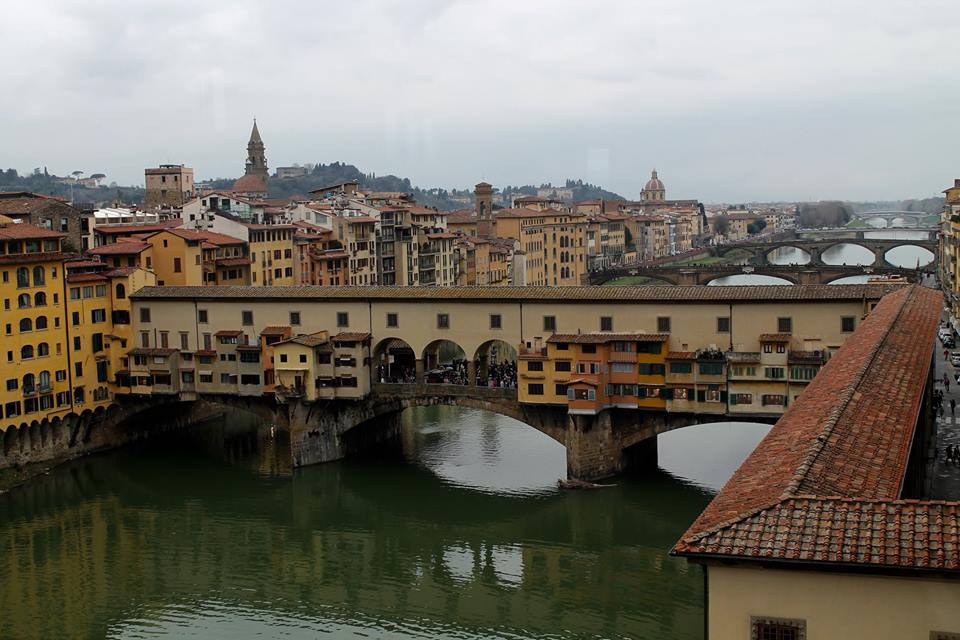
Each morning, I began my adventures by crossing the Arno on the aptly named Ponte Vecchio, the oldest bridge in Firenze, renowned for the jewelry shops lining both sides of the street.  The center of the bridge was an ideal spot to capture the splendid views of the river.

roomwithaview

Ponte Vecchio, Florence Italy (photo by L. Walkins 2017)

Lucie Hartgrove turned the page of her novel and glanced up for a moment to drink in the panorama of the Arno from her hotel balcony.   The late afternoon sun cast spangles of light across the surface of the greenish-grey river and a golden glow over the buildings lining the riverbank.  A reflection of the  haphazard row of jewelry shops clinging to the side of the Ponte Vecchio undulated in the slowly moving water below.

With a sigh of contentment, she lowered her eyes to her book, delighted to be reading E.M. Forster’s A Room with a View in her own hotel room in Florence.  Lucy Honeychurch was one of her favorite literary characters.  The first time she read Forster’s novel in the eighth grade, she was amazed at how much Lucy was just like her.  They both had long dark hair and a pale complexion.  They both played the piano to forget their worries, and Lucie was certain she also would have fainted in  the piazza after witnessing the brutal stabbing of the poor Italian man.

Ever since then, Lucie had longed to visit Florence.  Finally, on her first college spring break, she was actually here, and she had a fantastic view.  That morning, she had visited the Basilica di Santa Croce. Eager to retrace Lucy’s steps, she admired the frescoes painted hundreds of years ago by Giotto and examined the tombstones paving the floor of the nave.  After lunch at a tiny, fragrant pizza shop, she returned to her hotel to read for an hour.

As she reached the end of the chapter in which Miss Honeychurch and her party of friends return from their pastoral drive into the Tuscan hills, Lucie closed the book and stood to peer over the railing of her balcony.  She watched a group of tourists who had stopped to take pictures.  Most of them held their cell phones out in front of them, trying to capture themselves in a selfie with the Ponte Vecchio.  Did they even appreciate the history and beauty of the scene?

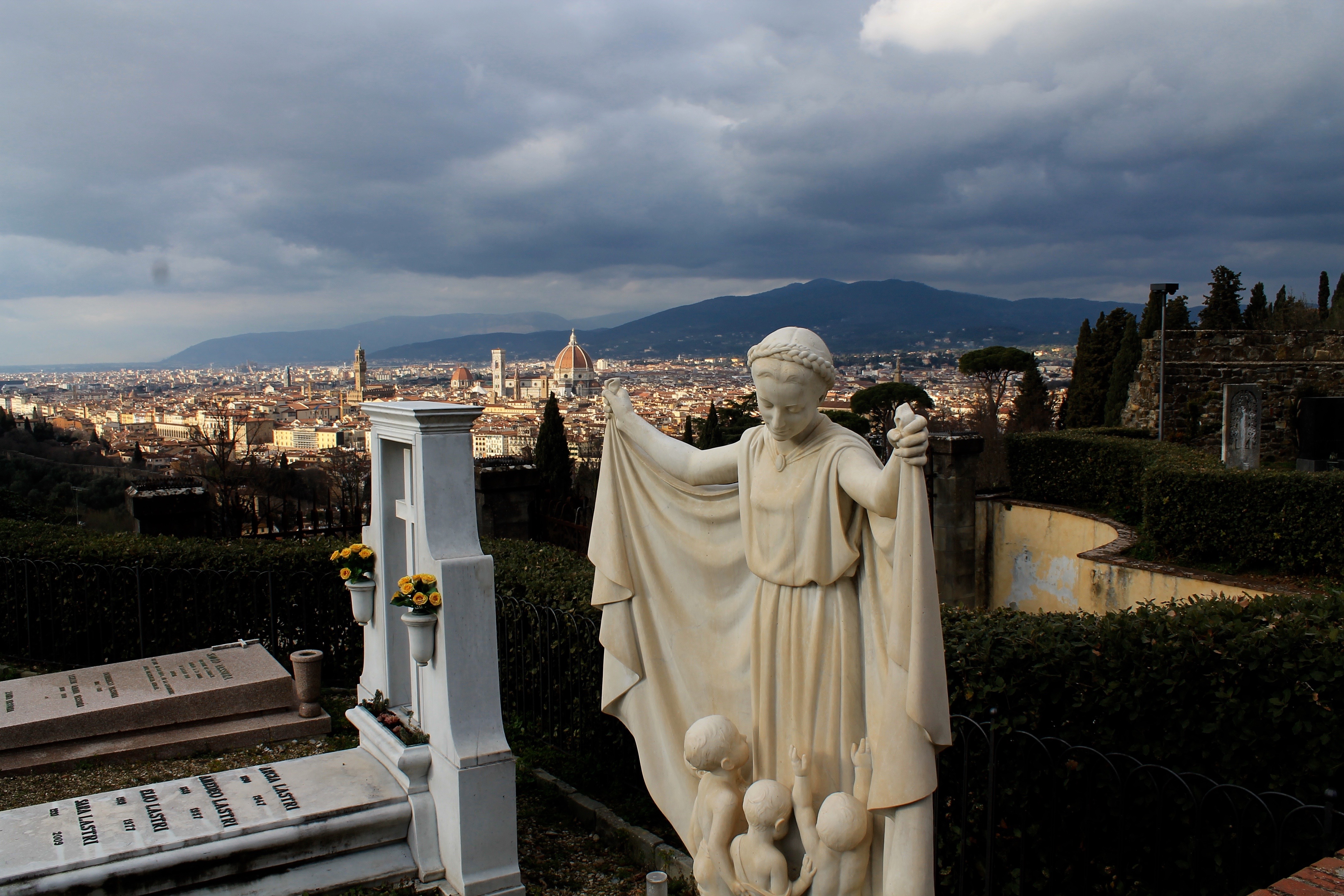
Lucie picked up her book and went back inside.  She put on her walking shoes, grabbed her camera and her room key.  She was going to set off on her own journey into the hills overlooking Florence.  She wanted to hike up to San Miniato al Monte in time for the sunset.  High above the city, the views would be spectacular.

IMG_2822

View from San Miniato al Monte, Florence, Italy (photo by L. Walkins 2017)


A Bit of Highland Romance

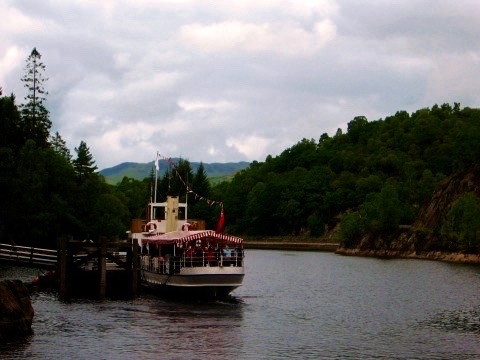
In 2010, my cousin and I went on a scenic day trip around the West Highlands in Scotland.  One of our tour stops was Loch Katrine in the Trossachs, the setting of  Sir Walter Scott’s narrative poem “The Lady of the Lake.” We spent a lovely hour strolling by the lakeside and taking photos before heading off to Stirling Castle.

lochkatrine4

Loch Katrine, Scotland (photo by L. Walkins 2010)

The brisk Highland wind swooped across the sparkling surface of Loch Katrine.  Elizabeth Ann brushed her dark hair from her eyes and settled her heather-colored wool cape more snugly around her shoulders as they waited to board the brightly painted tour boat.

“Chilly?” Sebastian asked, pulling her to his side. His thick fisherman’s sweater radiated warmth like it had just come out of the dryer.  Elizabeth Ann glanced up at him and then at the door of the tea room at the foot of the dock, hoping they would end their day with a snack and something hot to drink.

Maude and Duncan stood behind them in line, holding hands.  Maude pointed to a sign in front of the tea room.  “Hey, look.  We can hire bikes.”

“I haven’t ridden a bicycle since boarding school,” Sebastian said, chuckling.

“What do you think, Duncan?  Do you fancy going for a ride?” Maude asked.  “You don’t mind, Elizabeth Ann?”  She looked imploringly at her friend.  “We’ll meet you two back in the tea room, okay?”

“What about the boat tour? Elizabeth Ann asked.

“Right.  What about the boat?” Duncan echoed.

“They can tell us what we missed,” Maude said and tugged on Duncan’s arm.  “I really want to stretch my legs, darling, and get a bit of exercise,” she added, pulling him out of line  and then raising her eyebrows at Sebastian.

Elizabeth Ann watched their friends go and said, “What was that all about?”

Sebastian shrugged, put one hand in his jacket pocket and the other on the small of her back to guide her onto the boat.

Once they were settled on a wide wooden bench on the starboard side of the cruiser, Sebastian said, “The name of this vessel is Lady of the Lake.  Did you know that Sir Walter Scott wrote that poem after he and his family were on holiday right here at Loch Katrine?”

“The Lady of the Lake?” Elizabeth Ann asked absently, focusing on the view of Ben A’an as the boat glided smoothly down the lake.  She raised her camera and snapped a picture of the rugged stone peak.

“It’s one of his most romantic poems,” Sebastian explained.  “He was inspired by this gorgeous setting.”  The boat floated past a tiny densely wooded island. “There’s Ellen’s Isle,” he pointed out.  “Named for Scott’s heroine, Ellen Douglas.”

Elizabeth Ann took a quick picture and then rose to her feet.  Sebastian caught her by the hand. “Wait,” he said.

“I just want to get a few more pictures,” Elizabeth Ann said, squeezing his hand.

“The photos can wait,” he said standing beside her.  “Please sit for a moment.”

“But . . .”

“Please?” He met her gaze, an expression in his eyes she had never seen before.

With a bemused smile, she sat and put her camera on the bench beside her.  She widened her eyes as Sebastian fumbled in his jacket pocket and then dropped down on one knee.  Elizabeth Ann pressed trembling fingers against her mouth as he cleared his throat.

“Ellen Douglas and her suitor, Malcolm Graeme, found true love on the shores of this loch.  I can think of nowhere more romantic to ask you this very important question.”  Sebastian held out a small velvet box.  Nestled inside was a glittering princess-cut diamond ring.

“Oh, Sebastian,” Elizabeth Ann whispered.

“Will you be my wife, Elizabeth Ann Martini?”

She nodded silently, tears filling her eyes, and Sebastian slid the ring onto her finger.

“Brilliant!” He leapt up and pulled her into a massive hug.

They shared a kiss and then he began to laugh.  On the shore, two bicyclists waved enthusiastically.  Elizabeth Ann held up her left hand.  “We’re getting married,” she happily called out to Maude and Duncan.

A short time later, the Lady of the Lake returned to the pier.  Elizabeth Ann and Sebastian were the first to disembark.  Hand-in-hand, they hurried toward the tea room to bask in the congratulations from their friends and the restoring warmth of a good cup of tea.

Vicarious Travel Through Summer Reading

Summer is an ideal time to vacation and catch up on my joy reading.  Why not combine the two by traveling somewhere new with the characters of a great summer read?  As Emily Dickinson so astutely observed, a book can take you worlds away.  Since June, I have taken a vicarious trip to Florence, Italy with Robert Langdon in Dan Brown’s Inferno and another journey to London in the pages of A Conspiracy of Friends by Alexander McCall Smith.

Photo Credit: Flickr.com

Photo Credit: Flickr.com

Right from the opening pages of Inferno, Robert Langdon is on the run, desperately trying to solve a life or death puzzle. Quickly turning page after page, I experienced the wonders of Florence as I followed in the Harvard professor’s footsteps in his race against time.  His chase takes him to Venice and Istanbul as well, but I was particularly captivated by the scenes set among the the iconic museums, churches and gardens of Florence.  Thanks to Professor Langdon’s hurried travelogue, I now have a sense of the bucolic beauty of the Boboli Gardens, the grandeur of the Pitti Palace and the sanctity of the Baptistry of San Giovanni.

Photo Credit: Pixabay.com

Photo Credit: Pixabay.com

After my breakneck, hurtling journey through Florence, I was happy to meander more slowly through the neighborhoods of London with the residents of Corduroy Mansions.  In A Conspiracy of Friends, the third volume of the wise and witty series, William, Caroline, Barbara and even Freddie de la Hay are confronted with the sometimes puzzling nature of friendship.  William receives a surprising revelation from the wife of his oldest friend.  Caroline and Barbara struggle to distinguish the fine line between friendship and true love,  Freddie, through no fault of his own, is parted from his devoted master.  The intrepid terrier accepts his comfortable new home with philosophical resignation, while William laments his loss, almost giving up hope of ever reuniting with his beloved pet.  At the end of their individual days fraught with worries, these Londoners gladly return to their respective Pimlico flats, happy to be home.

At this moment, I am between books.  Where shall I travel next?  Lisa See’s novel Shanghai Girls beckons to me from my bookshelf.  Perhaps a trip to China is in order. . .

Beloved Pets in Literature

Handsome Cosmo (photo by L. Walkins, 2010)

Handsome Cosmo (photo by L. Walkins, 2010)

Every morning, our two cats and our dog, greet the new day with enthusiasm.  Cosmo, Emily and Princess (our shih tzu, also known as Fluffy Head) bring us much joy.  They are important members of our family.

Beloved pets can be just as important in literature.  In Forget-Me-Not, my character, Darcy Seton, shares her home with a personable Cavalier King Charles spaniel.  i enjoyed writing the scenes of Darcy spending time with her happy little pup.  I also like to read about dogs and cats.  Animal stories have an endearing charm.  In my reading over the years, I have encountered many memorable and appealing literary pets . . .

The Hundred and One Dalmatians by Dodie Smith: This charming novel is one of my favorite children’s books. It became a literary classic long before Walt Disney transformed it into a popular animated feature. The dalmatians, Pongo and Missus, who set out into the English countryside to rescue their kidnapped puppies, are courageous and resourceful.  I love the scenes on Primrose Hill when they join the twilight barking to gather news about their missing children.

Murder Past Due by Miranda James: Charlie Harris, a college librarian and his Maine Coon cat become involved in a murder mystery when a famous writer who has returned to his hometown, is found dead in his hotel room.  As Charlie gathers clues, Diesel, the cat, impresses everyone in town with his immense size, his larger-than-life personality and his devotion to Charlie.

Flowers in the Rain & Other Stories by Rosamunde Pilcher: I often wish I could live in a  Rosamunde Pilcher story. Her sensible characters, friendly villages and Scottish landscapes make me smile. Her stories and novels, often set in the country also feature many animals, including a faithful sheep dog named Loden in her story, “The Doll’s House.”  Loden provides comfort to his distraught young master, William, who has been frustrated in his attempt to build a doll’s house for his little sister.  Pilcher, in her customary insightful manner, perfectly portrays the relationship between a boy and his dog.

Paw Prints in the Moonlight by Denis O’Connor: The author,  a British university professor, ventures out into a snowy Northumberland evening to rescue a homeless, new-born kitten.  He tenderly nurses the cat and it grows up to become his beloved companion.  This heartfelt story about how a unique feline changed one man’s life is captivating and inspiring.

Princess says, "Peek-a-boo!" (photo by L. Walkins, 2012)

Princess says, “Peek-a-boo!” (photo by L. Walkins, 2012)

The Dog Who Came in from the Cold by Alexander McCall Smith: Part of the Corduroy Mansions series, this witty and entertaining novel takes place in London and features a cast of quirky and amusing characters, including a small dog named Freddie de la Hay.  Pimlico resident, William French’s dog, is unexpectedly recruited by the MI6,  The intrepid terrier turned informant helps the authorities to break up a Russian spy ring.  In his  usual engaging style, McCall Smith includes many humorous insights into the perils and pleasures of city life, and the chapters told in the dog’s point-of-view are particularly amusing.

Harry Potter and the Prisoner of Azkaban by J.K. Rowling: The students at Hogwart’s School of Witchcraft and Wizardry are allowed to bring a magical pet with them to school.  Harry’s owl, Hedwig, is perhaps the most well-known, but my favorite Gryffindor pet is Hermione’s cranky cat, Crookshanks.  Although the ginger long,-haired feline appears in volumes three through seven of the series, he plays the most pivotal role in Prisoner of Azkaban, helping Hermione, Harry and Ron to solve a mystery surrounding the death of Harry’s parents.

The Art of Racing in the Rain by Garth Stein: Denny Swift, an ambitious race car driver, faces a personal crisis just as his career is about to take off.  The author writes convincingly in the point-of-view of  Denny’s faithful dog, Enzo.  While waiting to be taken to the vet for a final visit, the much-loved pet tells his master’s story and reflects back on their  life together. Enzo, who is convinced he will come back as a person in his next life. is a compassionate and insightful narrator.

Lovely Emily  (photo by L. Walkins, 2013)

Lovely Emily (photo by L. Walkins, 2013)

Like these literary cats and dogs, my pets, have their own unique personalities and they keep us laughing.  Perhaps, I will write about them in my next story or novel!