Category Archives: gardens

Excerpt from True Love

More than 30 years ago, my youngest sister moved west and settled in Fraser, Colorado. I have been out to visit her several times since she relocated. On each trip, I have appreciated the stunning scenery and the friendly atmosphere in her small town. We have enjoyed a variety of interesting activities and attractions, including white water rafting on Clear Creek, exploring Rocky Mountain National Park and checking out the historic Stanley Hotel in Estes Park. Of course, I have taken many, many photos to preserve the memories we have made. The pictures in this slide show, inspired me to set one of my Martini Chronicles short stories in the mountains of Colorado. Here is an excerpt from that story. Happy Reading!

Gentle sunshine filtered through the fluttering linen drapes.  I lay on my side in the large brass bed, watching the early morning shadows dance across the floor.  Outside, the birds were starting to sing.  I listened, trying to pick out any familiar calls.    I smiled at the cheery twitter of a goldfinch, recalling an afternoon bird-watching with my father when he had shown me the pretty yellow bird for the first time.

With a glance at the clock on the bedside table, I decided it was time to start my day. I climbed out of bed, stuck my feet into my slippers and put on the hotel bathrobe draped across the end of the bed.  I crossed the hardwood floor and stepped out onto the balcony of my second floor room. 

The morning air was crisp and clear.  In the distance, snow-capped mountains  stood shoulder to shoulder spanning the horizon. The morning sun cast long shadows across the manicured lawn.

“Good morning, hon.”

At the sound of my mother’s gentle voice, I turned from the stunning view.  She sat in a wicker chair on the adjacent balcony.  Her honey blonde hair was pulled back into a long braid, and she wore yoga pants, a Colorado sweatshirt and sneakers.  A carafe and two mugs stood on the table at her side.  She lifted the carafe and poured a fragrant cup of coffee.

“Morning, Mom,” I said, breathing in the tantalizing scent of hazelnut.  I pulled the matching chair on my balcony close to the railing, settled into its overstuffed cushions and then accepted the warm mug she handed over to me.  “Have you been out walking already?”

She nodded, pouring herself a cup and setting down the carafe.  “I took a stroll through the gardens.  They have the most beautiful columbines, and I saw two hummingbirds.”

“I’ll have to take my camera there later.  I can probably get some pretty photos.”  I   took a sip from my mug, savoring the nutty sweetness.  “Mmm.  This coffee is great.”

Mom stretched out her legs,  crossing them at the ankle and sighed.  “It looks like it will be a splendid day for the wedding.  Edmund and Joy are lucky.” 

Below, a man in a cowboy hat led a pair of chestnut horses from the paddock to a large meadow.  “I can’t believe I’m going to my brother’s wedding today,” I said.

“It seems like just yesterday you two were just going to your first school dance,” Mom agreed. “Eighth grade, wasn’t it?” Her expression softened.  “The sun shone just like this on the day your father and I got married.”

Trying to imagine myself in my twin brother’s place, I could envision every detail of my wedding day except the most important one.  After spending countless high school afternoons cutting out photos from the stacks of glossy bridal magazines my best friend, Nancy,  loved to collect, I knew I would be married in an off-the-shoulder ivory gown and carry a bouquet of roses and peonies. My veil would be fingertip length and edged with lace.  Of course, the wedding would take place at our parish church, St. Monica’s. The only missing detail was the identity of my groom. 

I sighed and took a sip of coffee.

“Your wedding day will come, Elizabeth Ann,” my mother said, giving me a perceptive look. She could always read my thoughts and feelings.

With a grateful smile, I replied, “When it does, I hope it’s just as beautiful as today will be.”

Montreal

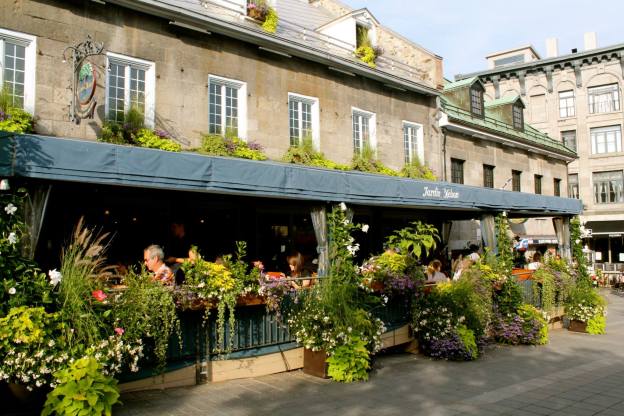
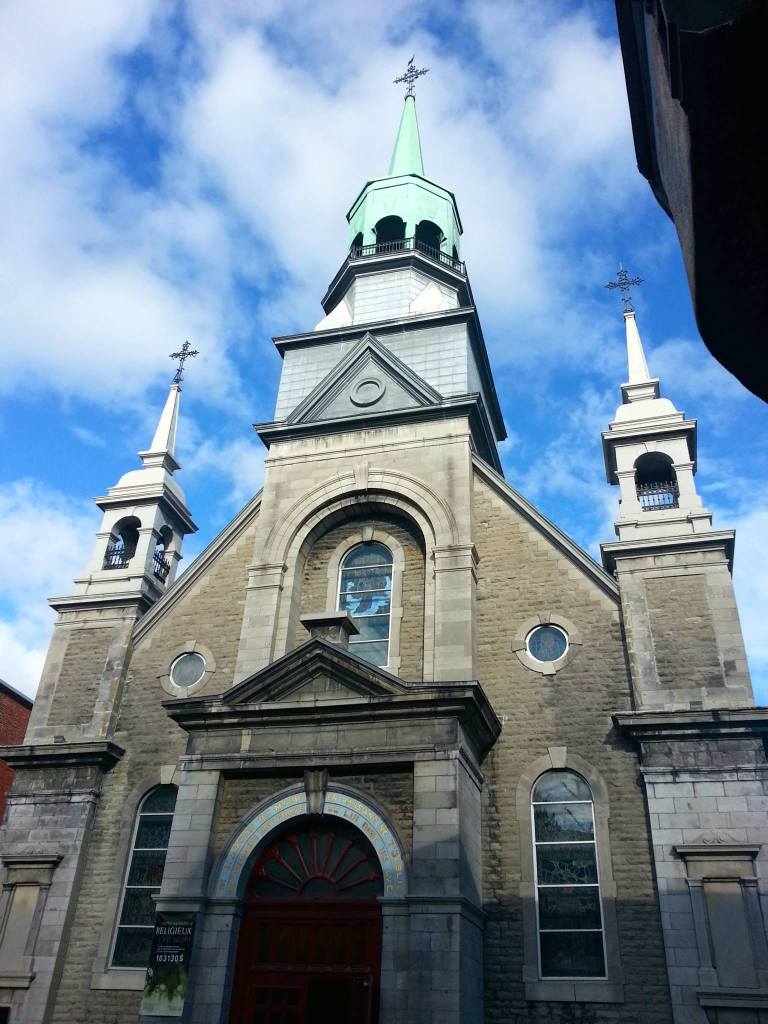
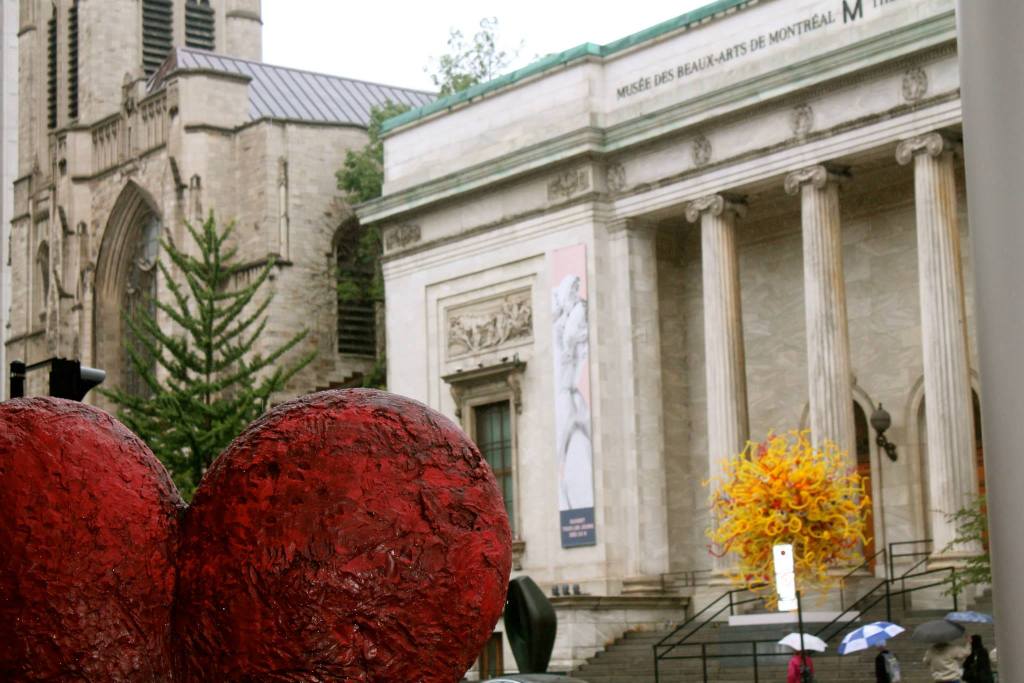
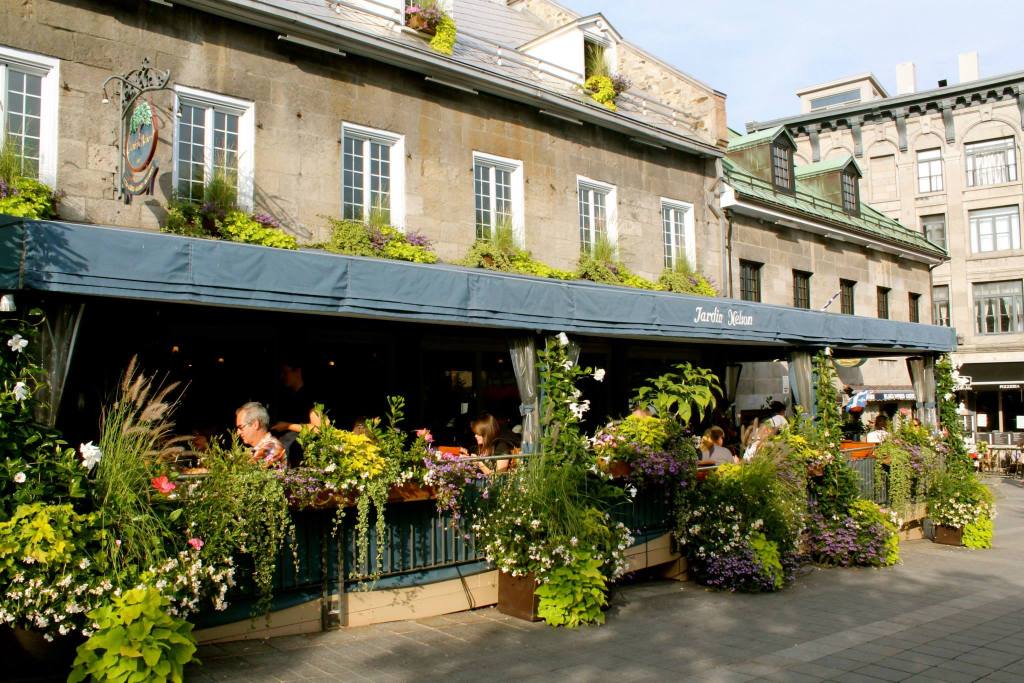
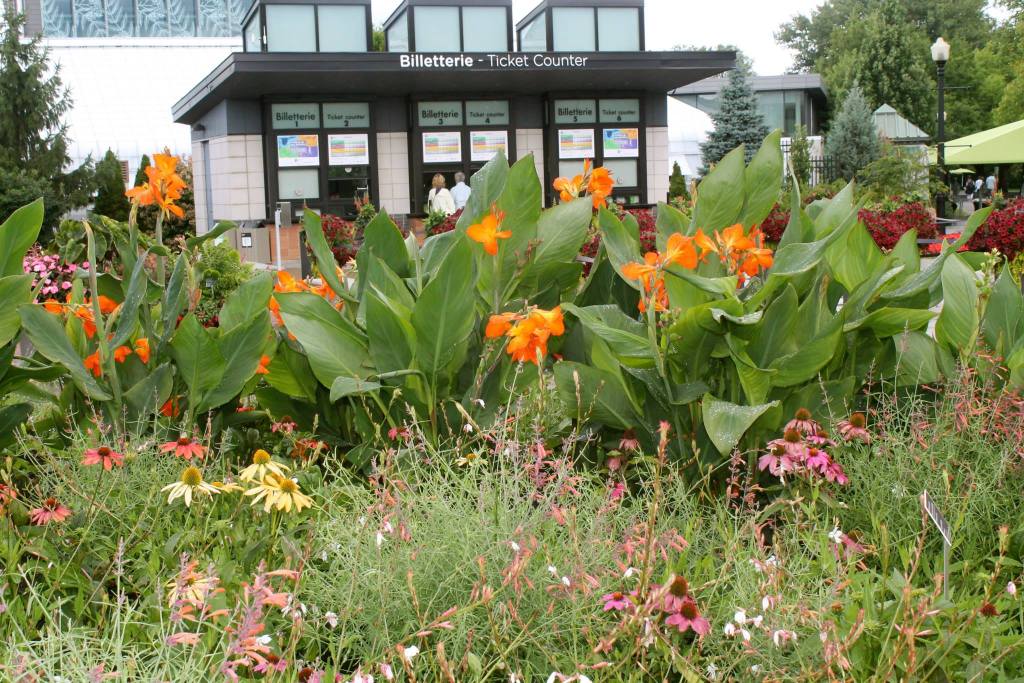
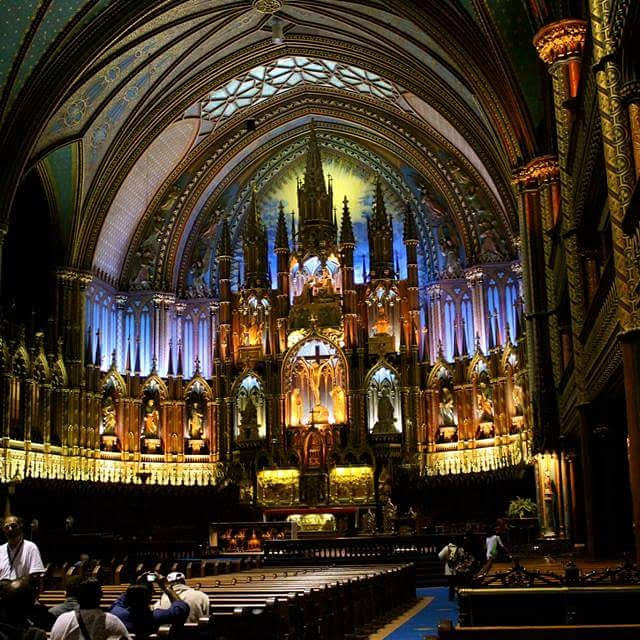
Montreal is a destination that offers plenty of culture, delicious food and eye-catching landmarks. My husband and I took a summer trip to this cosmopolitan city in 2015. We stayed in the historic neighborhood, Old Montreal. During our week-long sojourn, we made every effort to see as many sights as possible. Some highlights of our trip included visiting Notre-Dame Basilica, Place Jacques Cartier, the Museum of Fine Arts, and the botanical gardens, as well as two scrumptious meals at a charming restaurant called Jardin Nelson.

After nearly ten years, I still have fond memories of our trip to Montreal. Perhaps, it is time for a return visit. In the meantime, the photo essay below is inspired by the pictures I took in 2015.

“What a wonderful meal in such a lovely setting,” Camille remarked, gazing around the flower-filled terrace and taking a final sip of her crisp white Bordeaux.  She clinked glasses with  her niece, Florette.  

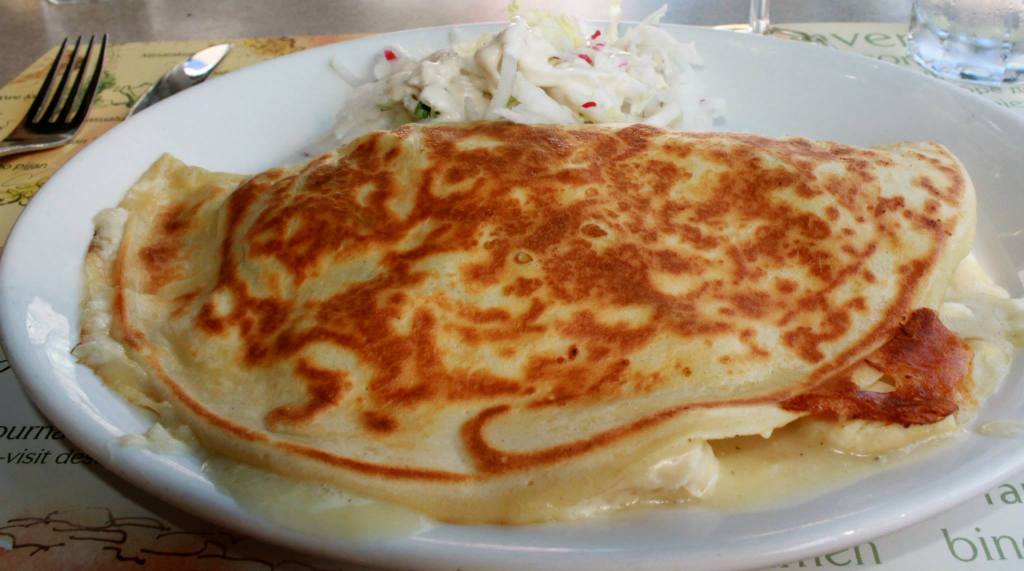
They had just enjoyed a filling lunch of seafood crêpes at Jardin Nelson, a popular establishment in the heart of Montreal’s historic district.  Across the sunlit cobbled square  a cello player serenaded the passing tourists  with a soulful version of  Leonard Cohen’s  “Hallelujah.”

“I’m so glad you liked it,” said Florette.  She folded her cloth napkin and set it beside her plate.  “I’m happy you’ve come to visit too.  I wish I didn’t have to go to classes, so I could show you more of my favorite things in Montreal.”

“Don’t be silly.  I don’t mind exploring the city on my own.  This morning, I visited the basilica where Celine Dion was married.  All of that glowing stained glass took my breath away.”  She put her folded arms on the table and leaned forward.  “Besides, school comes first.”

Florette nodded.  “I know.  That’s what my mom would say too.”

 They shared a laugh.  “Tell me more about your classes at the art school,” Camille said.

Florette sighed and spread her arms in delight. “The Ecole des Beaux Arts is fabulous!  My favorite class is my still life drawing class.  The professor is so talented and inspiring. Last week she said my drawing of a bowl of oranges was nearly perfect.”

As they paid the check and gathered their belongings, Florette chatted on about her other art courses.  In front of the restaurant entrance, she posed so Camille could take a photo.  Glancing at the time on her cell phone, she said, “My next class isn’t until 4:00.  Do you want to come with me to the botanical gardens?  I have to do some sketches and you could take more photos.”

“What a marvelous idea,” said Camille.  They linked arms and made their way down the street looking for a taxi.

Montreal’s botanical gardens were nestled in the city’s Olympic District.  Florette pointed out the Olympic stadium as they rumbled by in their cab.  At the entrance to the park, they hopped out of the car and strolled through the gates.

Florette pulled up a map of the gardens on her phone. “Let’s head over to the alpine garden. I love the flowers there and the rocky landscapes.  All of the flowers are so tiny and sweet.  I’m going to sketch the phlox and the rock roses.”

“Sounds good to me.  I have to warn you though.  I may burst out into an off-key version of Edelweiss.” Camille joked.

“Remember how I made you watch my Sound of Music video every time you came over when I was little?”  Florette said with a giggle.

“It was your favorite.  Mine too.”  Camille said, swinging her arms and glancing up at the brilliant sunlit sky.  After a moment she went on, “When I visited Austria, I went to Leopoldskron Palace, where they filmed some scenes from the movie. The gardens there are stunning.”

“I’m sure.” Florette couldn’t keep a hint of envy from her voice.  “I’d love to go to Austria, or anywhere in Europe.” She gazed admiringly at her aunt.  
“You’ll have your chance to travel,” Camille assured her. “You’re just twenty-one. There’s plenty of time!” 

As they followed the brick paved pathways, Camille read the signs pointing out the locations of  the different gardens.  “Japanese garden, Chinese garden, alpine garden,” she said.  “It looks like you can travel around the horticultural world in one day here.”
“Did you know there are more than 20,000 types of plants here from all over the planet,” Florette said.

“Amazing!”

They fell into a comfortable silence, walking past the rose garden and the aquatic garden. As they approached the Chinese garden, the carved roof of the pagoda appeared in the distance.  The splash of a waterfall or fountain filled the air along with cheerful birdsong.

Florette said, “When I finish my sketching, we should check out the Chinese garden. The pond in front of the pagoda is filled with lily pads and there’s a gorgeous willow tree.  You’ll get some excellent photos.”

“Speaking of lily pads, I’d like to look at the aquatic garden too, if we have time.”

“Sure.  Of course”

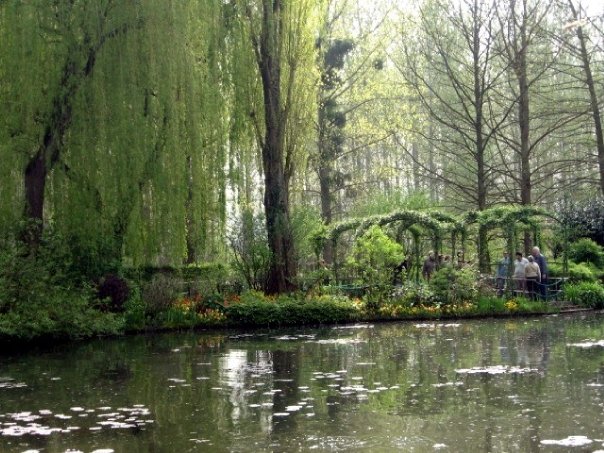
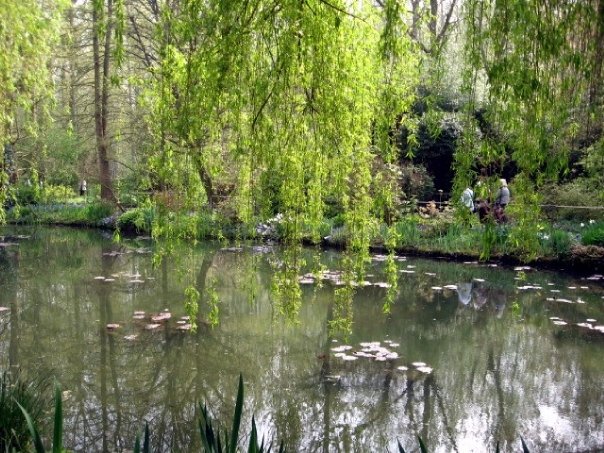
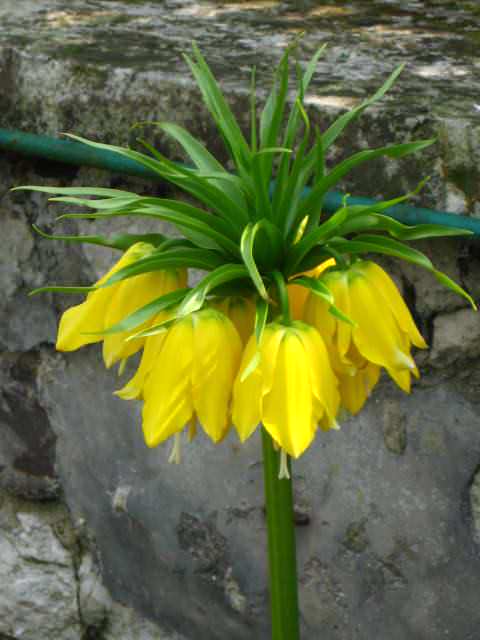
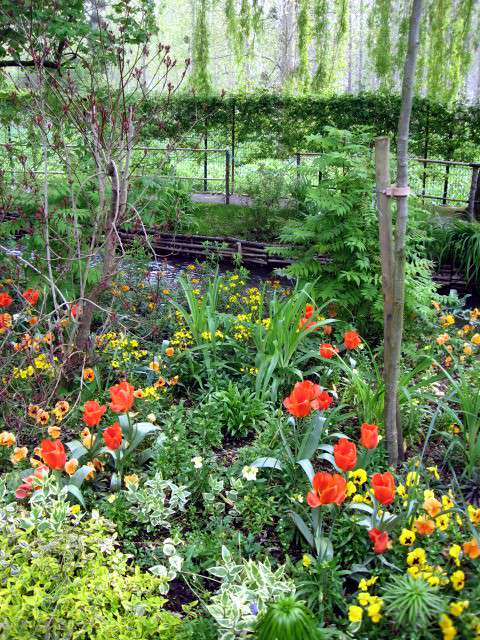
“One of the best gardens I’ve ever been to is Monet’s garden in Giverny.  I was there in April, so the famous water lilies weren’t in bloom, but there were so many other lovely and unusual flowers it didn’t matter,” she said, following her niece into the enchanting alpine garden.

“One of these days, I’ll have to make a summer trip to Giverny.  The water lilies come out in July usually,” Camille went on.

Florette opened her sketchbook and found a shady spot beside a rockery carpeted with a bed of fragrant lavender, pink and white phlox.  She let out a wistful sigh and said, “I want to be a world traveler like you.”

“You know,” Camille said thoughtfully, “next summer after you graduate would be the perfect time for a trip to France . . . we can go to Giverny together to celebrate.  And we can ask your Mom to come along too. ” She beamed at her niece. “A girls’ trip to Europe will be a grand way to kick off your quest to see the world!”

A Sunny Morning in Giverny

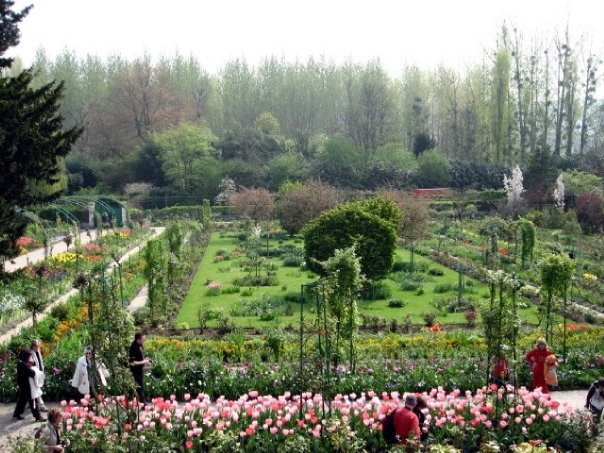
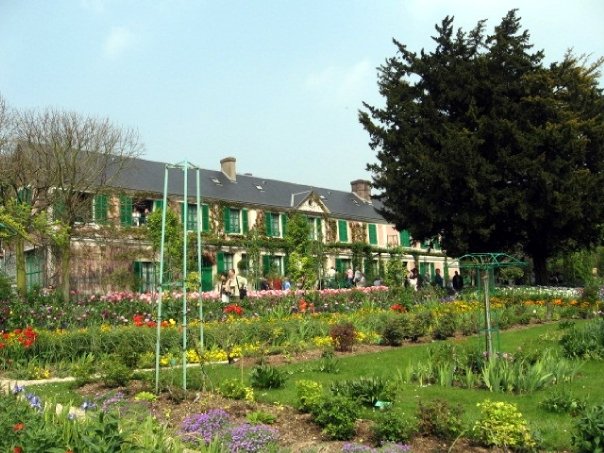
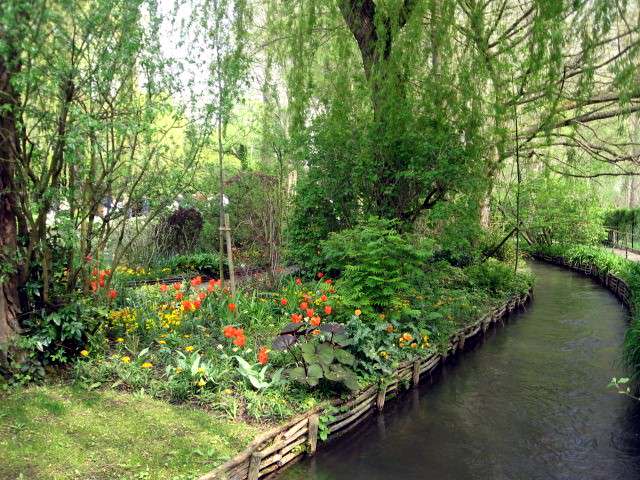
My fondest travel memory is of the day my husband and I visited Claude Monet’s house in Giverny. We were spending a week in Paris and took a day trip to the artist’s home. Strolling through his beautifully cultivated gardens was like a dream. We were surrounded by vibrant colors, exotic blossoms and enchanting birdsong. In the water garden, we paused to marvel at the famous Japanese bridge that we had seen depicted in one of Monet’s paintings the day before at the Musee d’Orsay. The house was just as inspiring as the gardens. My favorite room was the blue-tiled kitchen with its copper pots and old-fashioned iron stove. Upstairs in the bedroom, I was able to gaze out the window down onto the garden and imagined the artist himself standing there each morning drinking in the view before beginning his day. In the photo essay below, my character, Cerise, makes a fresh start, beginning a new chapter of her life on her first day on the job at Fondation Claude Monet.

After working in a Paris advertising office for twelve years, Cerise Dior was ready to return home to Giverny. Commuting on the crowded Métro had become tiresome and navigating office politics a headache. During her Christmas holidays, while sipping coffee and flipping through the local newspaper in her older sister Esmé’s sunny, yellow kitchen she had spotted a job notice for Assistant Director of Marketing at the Fondation Claude Monet. Expecting nothing to come of her inquiry, she applied for the position and now to her surprised delight, she was here in the village where she grew up ready to begin a new chapter of her career.

Carefully pulling into the employee parking lot, she parked her sporty blue Peugeot. Beside her on the passenger seat was a crisp white bakery bag holding flaky almond croissants and pain au chocolat. Enough to share with everyone in the office. Esmé had baked the pastries first thing in the morning. Their buttery aroma filled the little car.

The clock on her dashboard reported that it was only 7:20. Cerise sighed. She couldn’t show up 40 minutes before they were expecting her, but she didn’t want to sit in the car. Maybe she could do a bit of exploring.

After a moment, she climbed out of the car, remembering to grab the bakery bag and retrieved her shoulder bag from the back seat. She paused, gazed around the deserted parking lot and then set off for Monet’s gardens. She strolled past the shuttered gift shop and café, which inevitably would be bustling with tourists and local visitors in just a few hours. Crossing the road, she walked briskly along the sidewalk that ran behind the artist’s home. The April sunshine winked against the upstairs windows and warmed the rose-colored facade.

As she turned the corner, she held her breath in anticipation of her first glimpse of Monet’s spectacular garden. Stepping out of the shadow of the house into the front courtyard, Cerise clasped her hands to her chest, still clutching the white bakery bag and let out a delighted sigh. A kaleidoscope of colors and scents invited her forward. Rows of well-tended flowerbeds lined the wide gravel walkways

Slowly, she circled a garden of tulips. The pink and white blooms danced in the gentle spring breeze on gracefully tall stems. On the opposite side of the garden, cherry blossoms shaded plantings of forget-me-nots, lilies of the valley and jonquils.

C’est splendide!” she murmured dreamily. Her mind raced with ideas for how she could promote this lovely place.

Bonjour, mademoiselle!”

A cheery voice pulled her back into the present moment. Cerise smiled hesitantly at the rosy cheeked woman who seemed to be about her own age hurrying toward her from one of the walkways.

“Hello,” Cerise said. “I was a little early for my first day of work and decided to do some exploring,” she explained in a sheepish tone.

The woman waved her hand dismissively and shrugged. “Don’t worry. I often start my day with a walk in M. Monet’s garden. My name is Suzette. I’m in charge of social media for the Fondation. Are you Cerise Dior?”

“I am,” Cerise confirmed. “I suppose we will be working together.”

“Yes, yes. Welcome!” Suzette looked at the silver watch that adorned her narrow wrist. “We still have a few minutes. Let me show you the garden.”

Together, they strolled up and down the garden paths while Suzette pointed out some of the more unusual blooms. Finally, they headed back across the street to the offices.

“Whatever you have in that little white bag smells heavenly,” Suzette remarked as they walked past the restaurant.

“I brought some croissants from my family’s bakery. Enough for everyone,” Cerise said.

Ooh! Tres bien,” Suzette crowed. “I think we will be great office mates. Tomorrow morning, I will show you the water gardens.”

As they approached the wooden door leading into the administrative offices, Cerise quickened her pace and smiled up at the sunny, blue sky. Her new chapter outside the city was off to a promising start.

The Loveliest Place in the World

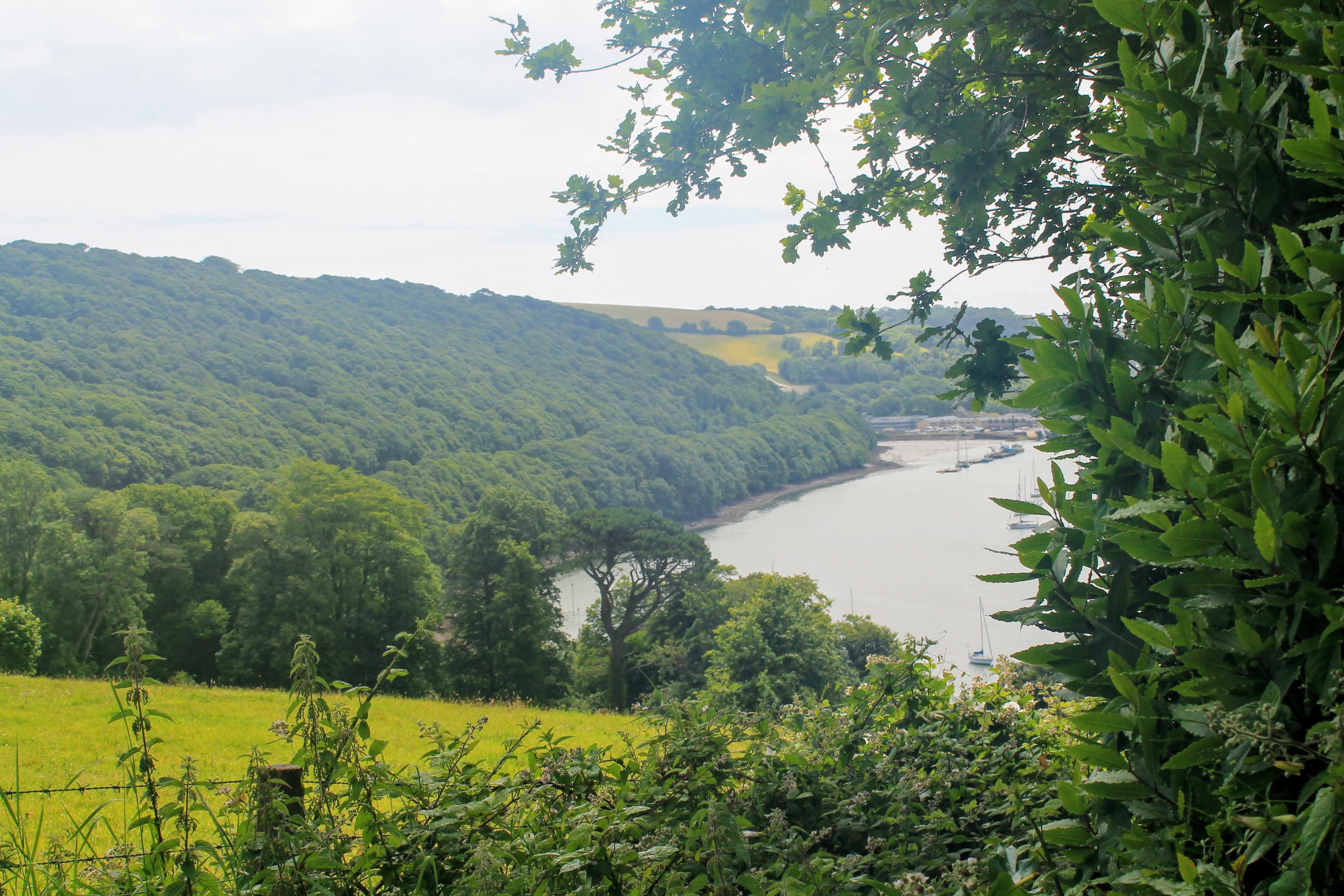
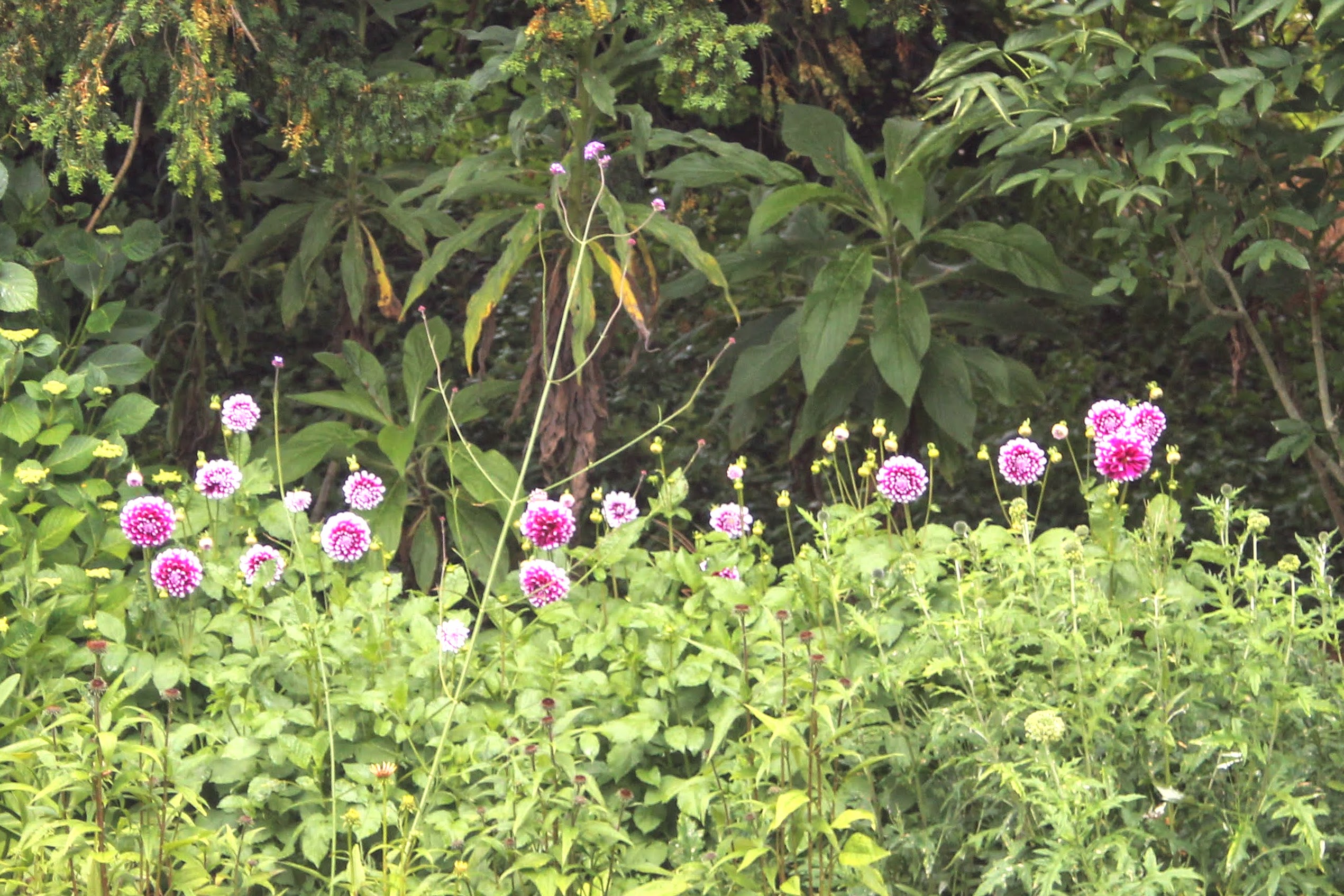
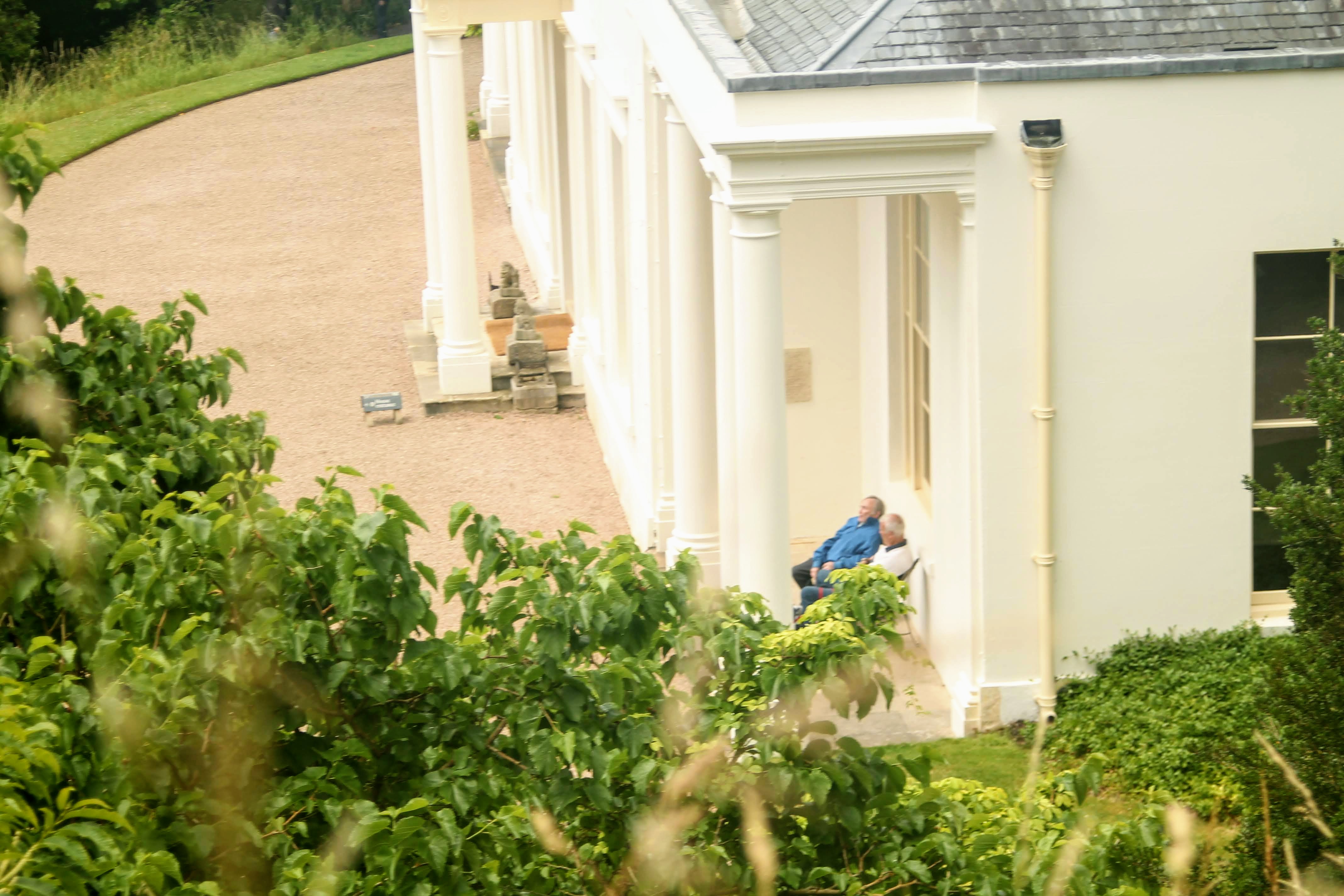
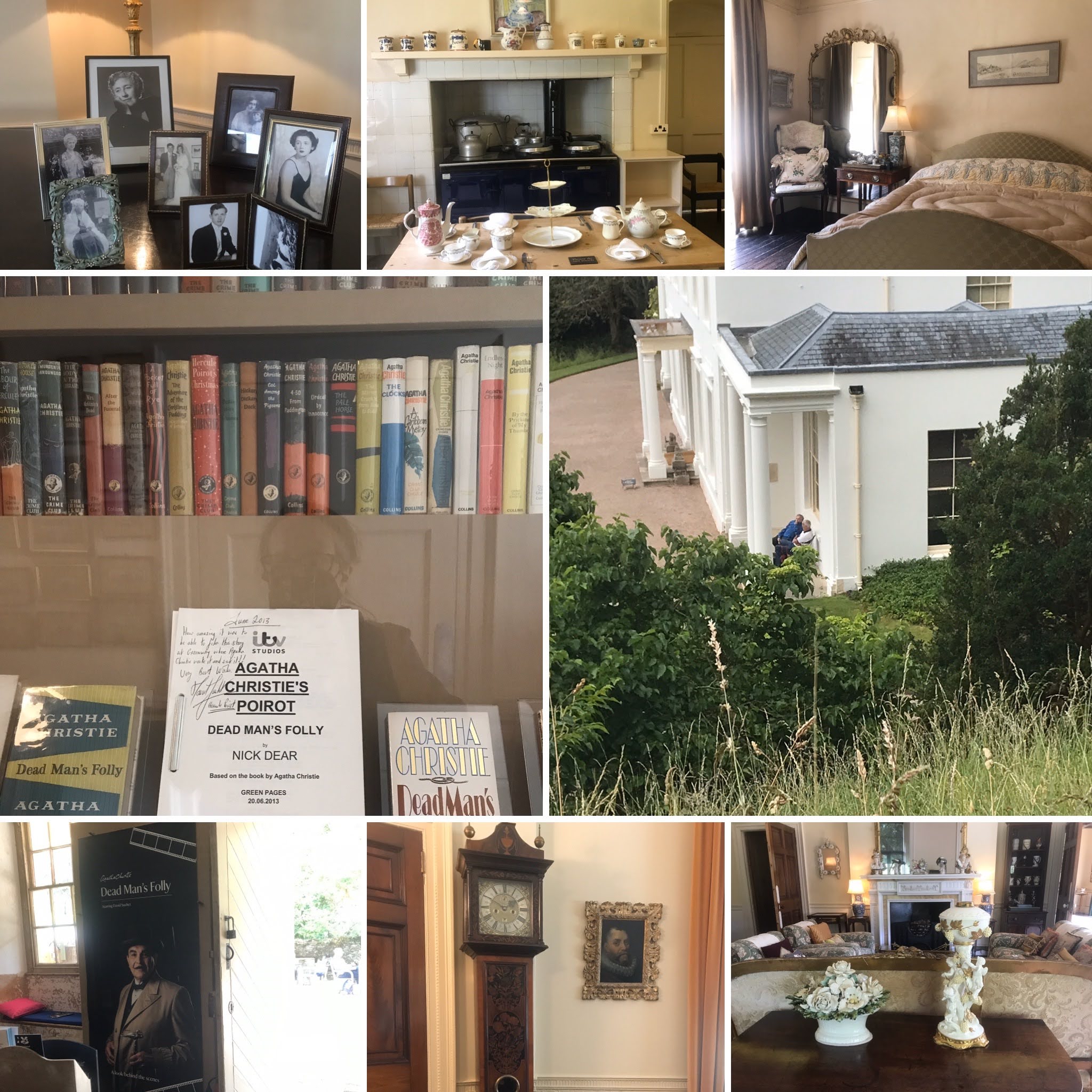
Ever since reading about Agatha Christie’s holiday home in Devon, I have wanted to add Greenway House to my list of literary homes I have visited. In June, my wish came true. My husband and I traveled to London at the beginning of the summer to attend a Billie Eilish concert at the O2 Centre. To complement our musical experience, I fashioned an impromptu literary tour for the remainder of our week in England. On the itinerary were Poets Corner at Westminster Abbey, the Jane Austen Centre in Bath and Greenway House. The photo essay below was inspired by the idyllic afternoon we spent at “the loveliest place in the world.”

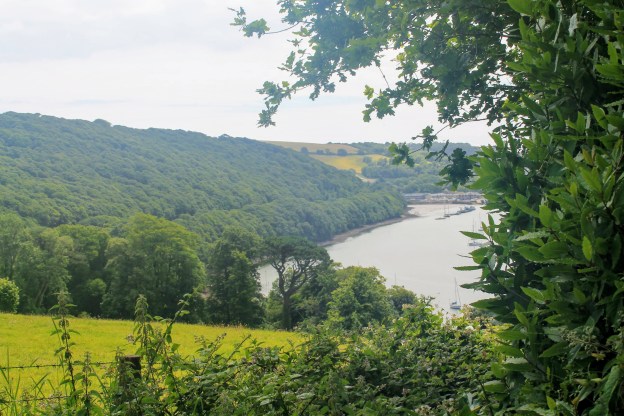
Clio gazed down at the Georgian House admiring its white facade and stately pillars. From her vantage point on the hilltop garden path, the holiday home shone in the shimmering afternoon sunshine. Agatha Christie, the home’s famous resident, often referred to Greenway House as the loveliest place in the world. Clio had to agree with her. Lifting her camera to her eye, she snapped photos of the house, a herd of cows grazing in a neighboring pasture and the sparkling river estuary below.

The countryside views in Devon were softer than in Cornwall. Clio had just spent two days exploring the area around Fowey, home to Daphne du Maurier, another of her beloved British writers. With her rugged ocean cliffs, wild surf, and prehistoric standing stones, Cornwall was like a grand and imposing dowager dressed in black, Clio thought with a small grin. Devon, on the other hand was a warm-hearted favorite aunt who was partial to floral print dresses and sun hats.

Daphne du Maurier and Agatha Christie had lived and written in southwest England at the same time. Clio wondered if they had ever met each other or traded correspondence. Had they read each other’s novels?

With a sigh of satisfaction, Clio reached into her quilted shoulder bag for the tourist map she had received from the National Trust tour guide who had showed her around the house. From where she stood in the top garden, it looked like she could follow a winding path down to the famed boathouse where the innocent Girl Guide named Marlene meets a dreadful end in her favorite Christie novel, Deadman’s Folly.

As she traipsed along the well-tended, downhill path, Clio shivered in delight. She was walking in the footsteps of the renowned Queen of Crime. With each step, she imagined the writer rambling through the grounds while mulling over the details of her latest mystery novel. Actually though, in this neighborhood, Christie was simply known as Mrs. Mallowan. Agatha and her archaeologist husband, Max, would come to Greenway to escape the hustle and bustle of their public lives.

Clio nodded and smiled at other walkers, many of whom were accompanied by panting, tail-wagging dogs tugging at their leashes. The woodland gardens were a marvelous spot for a Sunday stroll. At the bottom of the hill, she paused to catch her breath and bundle her chestnut hair into a long ponytail. A sudden gust of wind cooled the back of her neck and set swaths of verdant foliage dancing. The rustling of leaves blended harmoniously with the soothing sound of lapping water. The river was just ahead.

As she approached the boathouse, Clio caught a glimpse of a person standing by the shingled wooden structure.The elderly woman had her neatly coiffed silver hair covered with a plaid scarf. She wore a demure wool suit and sturdy walking shoes. A white and tan wire-haired terrier sat at her feet.

With a friendly smile on her face, Clio hurried forward. For a quick second, she let her gaze wander to the eye-catching river view. When she looked again at the boathouse, the woman and her dog had vanished. Perhaps they had slipped inside. Clio stepped through the open door. The cavernous room was empty, but the faint echo of a dog’s bark and a woman laughingly hushing him filled the air.

En Famille

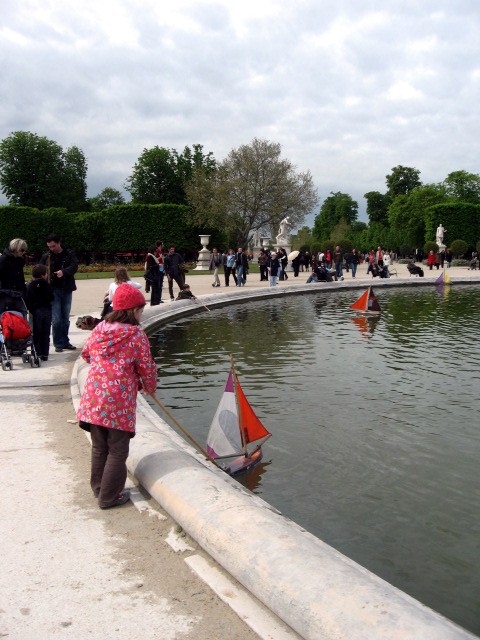
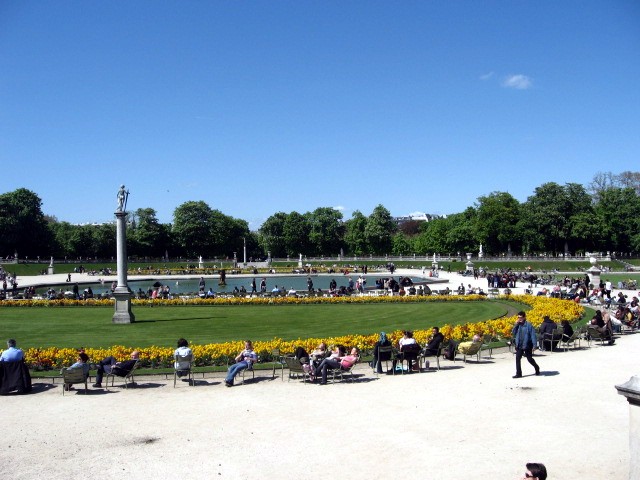
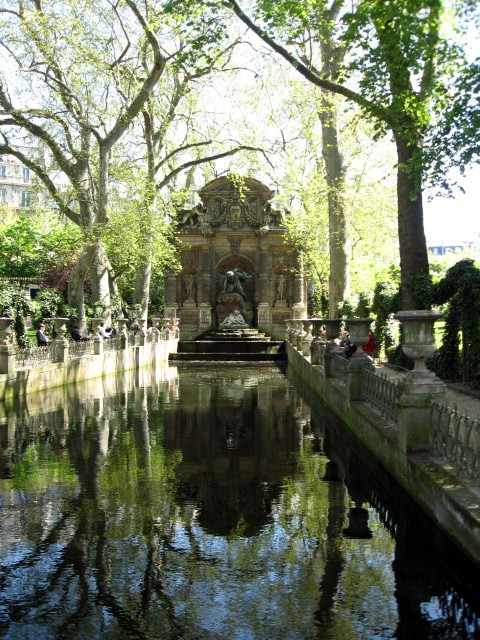
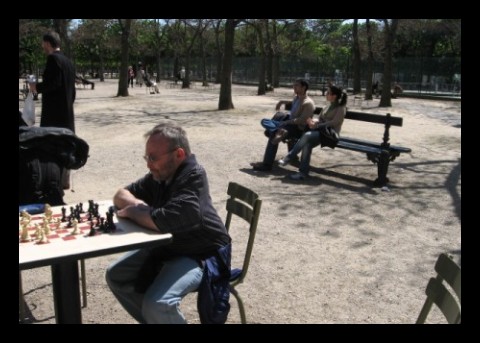
In 2008, my husband and I visited Paris for one sunny week in April. One of the highlights of our trip was spending an afternoon in Luxembourg Garden where we saw children sailing toy boats on the man-made pond and Ed sat down to play chess with an accommodating French gentleman. These memories have inspired the following photo essay.

“How is our friend Maude?” Edmund asked, stretching out his denim-clad legs and crossing them at the ankle. “Still driving Duncan crazy?”

Elizabeth Ann looked at her twin brother with a bemused smile. They sat together on a bench in the Jardin du Luxembourg. The clouds drifted across a watercolor blue sky, but the warm sun shone down dappling the pool of shallow water in front of them with spangles of light.

Edmund’s wife, Joy, stood at the edge of the expansive granite basin with their daughters, Angela and Victoria. At the far end of the man-made pond, the Palais du Luxembourg rose like a fairy tale vision.

“Maude is great and so are Duncan and the twins,” Elizabeth Ann replied, as she watched her nieces.

The girls each clutched a wooden pole. They leaned carefully over the rippling water, using the poles to steer two toy sailboats.

“Marjorie and Dylan are four now,” Elizabeth Ann went on. “They are so curious and observant about everything. Maude says they come up with some pretty hilarious questions sometimes.”

Edmund chuckled. “Too bad they all couldn’t make the trip with you.” He had met Maude and Duncan on several occasions over the years. All three worked as academic historians and Edmund often joked that he had more in common with his sister’s best friend than she did.

Early that morning, Elizabeth Ann had flown to Paris from Edinburgh, where she had been visiting her old school friend. She had met Maude while studying abroad in London.

“I know,” Elizabeth Ann agreed. “But they had scheduled a trip to visit Duncan’s parents this weekend.”

As he nodded in understanding, Edmund lifted a hand in greeting to a stocky, dark-haired man who returned the wave with a grin as he strode past.

“Who was that?” Elizabeth Ann wondered.

“Before you got here, I challenged him to a game of chess,” Edmund said. He gestured with his chin at a gathering of tables shaded by a grove of lime trees. At each game table, competitors stared intently at the black and white pieces arranged around the tabletop.

“You did?” Elizabeth Ann raised her eyebrows. “Does that guy speak English?”

“Nope.”

Elizabeth Ann laughed. Only her brother would have the confidence to challenge a stranger in a foreign country to a chess match.

“Who won?”

“Oh, he did. But I gave him a run for his money.”

Très bien,” Elizabeth Ann praised and then stood up to welcome Angela and Victoria as they made their way back to join their dad at the park bench. Joy followed, smiling fondly at Elizabeth Ann.

“Auntie!” the little girls cried, laughing and skipping in their rush to give Elizabeth Ann exuberant hugs.

“Did you watch us sailing the boats?” six-year-old Victoria asked.

“Sure did,” Elizabeth Ann said.

“It was so fun!” Victoria slipped her hand into her aunt’s.

Elizabeth Ann squeezed her niece’s small, warm hand and bent down to kiss the top of her head.

“Hey, Dad,” Angela said. “You promised us ice cream. Can we get some now? I’m starving.”

“I did, didn’t I?” said Edmund. “Let’s see . . .” His voice trailed off as he pulled a guidebook from his back pocket. “I think there is an ice cream shop not too far from here.”

“Do you want ice cream?” Angela asked Elizabeth Ann.

“Always. I hope they have cinnamon ice cream,” she said.

“I never heard of cinnamon ice cream.” Victoria wrinkled her nose.

“It’s really good,” Elizabeth Ann insisted.

“My favorite is peanut butter cup. I hope they have that,” Victoria informed everyone at the same time that Edmund said, “Here we go. There’s a café on Rue Soufflot where we can have some Berthillon ice cream.”

He turned to Joy. “That’s the brand the travel agent recommended, right?”

“Definitely. He said it’s out of this world.”

“Sailboats, chess, and ice cream . . . could this day get any better?” Edmund joked. “Life is good.”

As the family set off, Victoria walked between her parents. But Angela followed behind with Elizabeth Ann. “I think I’ll get cinnamon ice cream like you,” she confided.

Elizabeth Ann put her arm around her older niece’s shoulder, her heart warmed by Angela’s earnest tone.

Edmund and Joy were so fortunate to have two sweet little daughters. Maude and Duncan were blessed with their children too. Walking along the leafy Parisian street with Edmund, Joy and the girls, Elizabeth Ann considered her brother’s words with bittersweet emotion.

Life was good, but she wondered when she would have a family of her own and hoped she would not have to wait too long.

Lily-of-the-Valley: a token of happiness and good luck

Wherever I travel, my itinerary includes a visit to the local botanical gardens whenever possible.  Through the years, I have wandered down so many garden paths, snapping photos of eye-catching blooms and breathing in the heavenly perfume of the flowers.  Some lovely gardens that are well-worth a visit include Monet’s water garden in Giverny, France, the Huntington Botanical Gardens in San Marino, CA, and the Halifax Public Gardens in Nova Scotia.

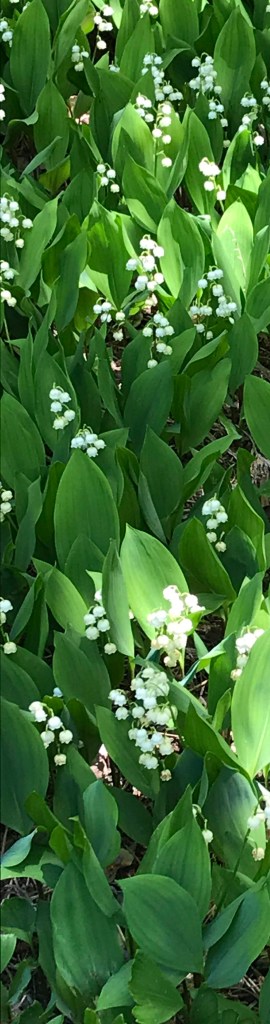
 In June 2019, my family and I spent a sunny afternoon roaming a botanical garden that is a bit closer to home: the Coastal Maine Botanical Gardens.  At the time, a fragrant patch of lily-of-the-valley was in bloom.  The delicate scent of these tiny bell-shaped flowers, calls to mind memories of my mother getting ready for an evening out with my father.  Beautifully dressed and made-up, she always completed her ensemble with a spritz of Muguet perfume from the elegant glass bottle on her dresser.

My childhood memories and the pictures I took in Maine have inspired the following photo essay.

lily of the valley

Coastal Maine Botanical Gardens (photo by L. Walkins 2018)

Anneliese Twigg sits at her French grandmother’s round kitchen table swinging her legs and tapping her heels against the wooden chair as she finishes her lunch.  Across from her, Mémé is knitting. She knows how to make hats and mittens and even stuffed animals with her needles and colorful yarn.  Anneliese hopes her grandmother will teach her how to knit someday.

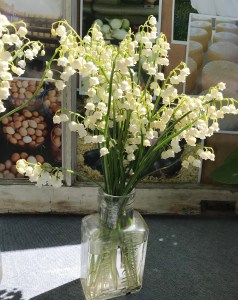
In the center of the table, an old jelly jar filled with water holds a bouquet of lily-of-the-valley.  Anneliese reaches out a pudgy hand to pull the sparkling glass closer.  She studies the quilted pattern adorning the sides of the vase, and traces her finger over each square.  The tiny white flowers sway like silent bells.

Breathing in the lovely fragrance of the lilies, Anneliese remarks, “They smell like Mama’s perfume.”

Mémé looks up.  “In France they are called muguet.”  She sets down her knitting and catches the ball of yarn in her gnarled hand as it rolls off the edge of the table.  “I am going to tell you a story about why these flowers are so special.”

Sitting a little straighter and flipping her long blonde braid over her shoulder, Anneliese smiles.  “Okay.”

“Hundreds of years ago in France, there was a girl named Elisabeth.  She grew up in a royal chateau outside Paris with her brothers and sisters.”

Anneliese’s grey eyes widen in delight.

“And do you know what else?” Mémé asks.

“What?”

“Elisabeth was your eleventh great grandmother, so this story is part of our family history.”

“Really, truly?”

Mémé nods and gives a little laugh.  “Elisabeth had three brothers.  The oldest boy, Francis, became King of France when their father died.  He and his wife, Mary, who was Queen of Scotland, ruled for just one year, and then Elisabeth’s younger brother, Charles Maximilien became King when he was just ten years old.”

Anneliese, who had turned ten just two weeks ago, gives her grandmother a skeptical look. “How can a little boy be a king?”

“That is how things were done then,” Mémé says with a shrug.

“But what about the flowers?”

“I am coming to that.  Just listen, ma petite.”  She folds her hands on the edge of the table and goes on with the story.  “At a royal May Day celebration, someone gave Charles a sprig of muguet to wish him good luck.  He was so charmed by the kind gesture, he decided to create a new holiday.  He called it the Fête du Muguet and from that day on, he gave bouquets of lily-of-the-valley to his sisters and all of the ladies of the court on May 1.”

“For good luck?” Anneliese guesses.

muguet

Lily-of-the-Valley (photo by L. Walkins 2018)

“But of course,” Mémé says gently.  “This tradition has lived on even until today.  When I was a girl in France, my sisters and I would go into the little forest behind our farm to gather the muguet that grew wild underneath the trees every year on May 1, which also happened to be my birthday.”

Leaning forward to once again smell the flowers in the pretty little jar, Anneliese says, “I wish I was born on May Day like you, Mémé.”


Wishes and Waterlilies

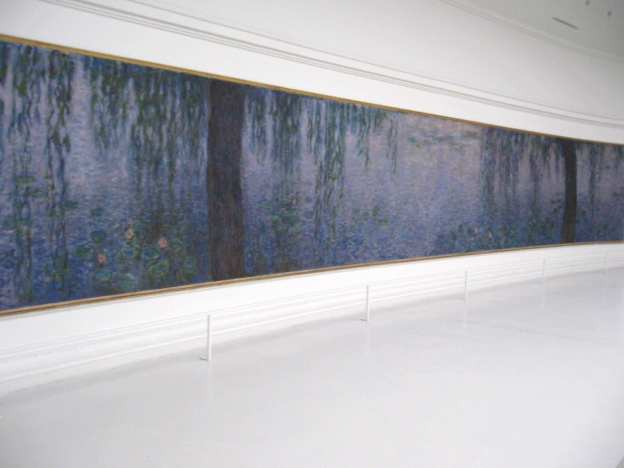
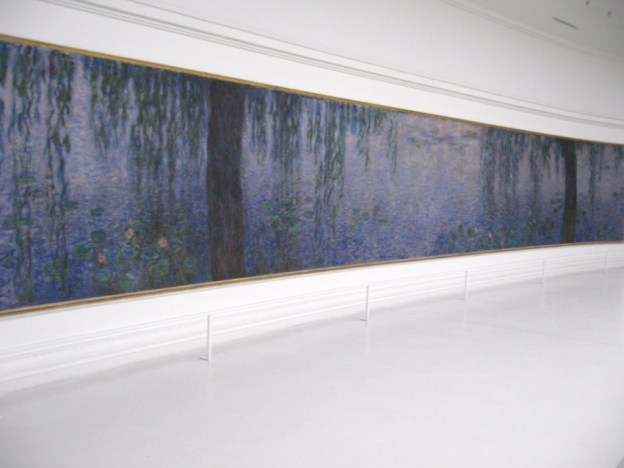
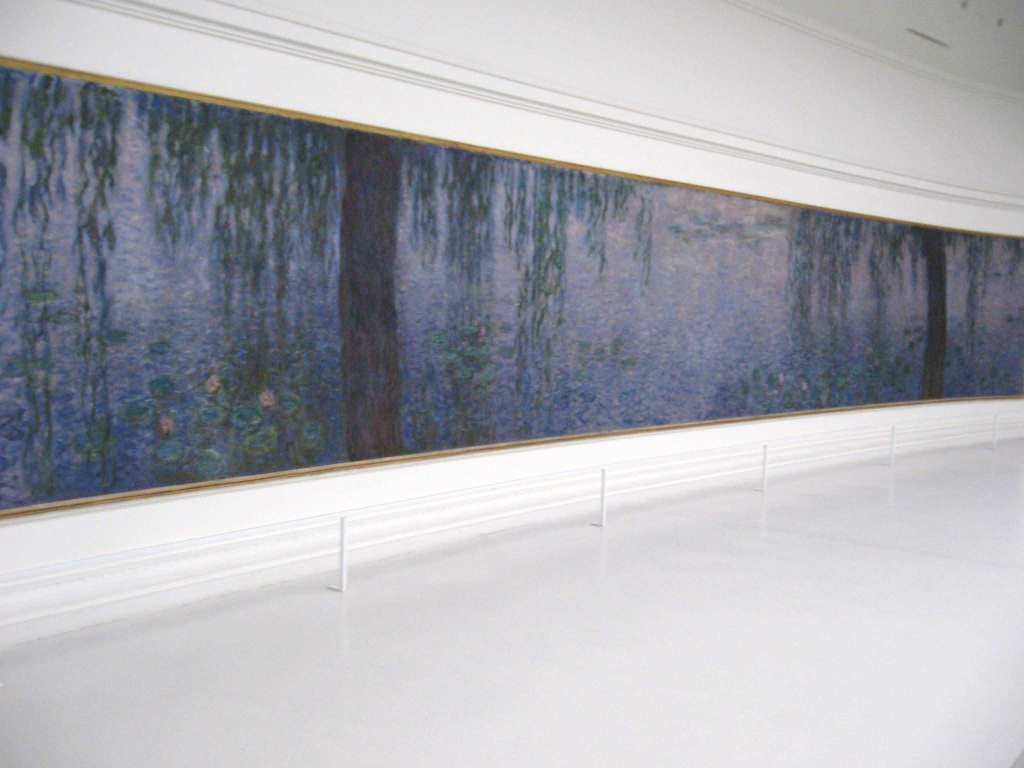
While traveling in the U.K. several years ago, my husband and I, along with my cousin, took a lovely day trip from London to Paris.  Looking forward to exploring the French capital, we boarded an early morning Eurostar train at St. Pancras station.  As the train sped through the tunnel beneath the English Channel, we planned what we would see in the City of Lights.  Claude Monet is one of my favorite artists.  Although, I had been to Paris before, I had never seen his famous waterlily murals at the Musée de l’Orangerie.  When we disembarked at the Gare du Nord, we set off to the Jardin des Tuileries where the Impressionist art gallery is located.  Memories of standing in admiration before the enormous panels painted more than 100 years ago, inspired me to include a scene set there in this excerpt from a short story featuring my character Elizabeth Ann Martini.

Les Nymphéas at the Musée de l’Orangerie 2010 (Photos by L. Walkins)

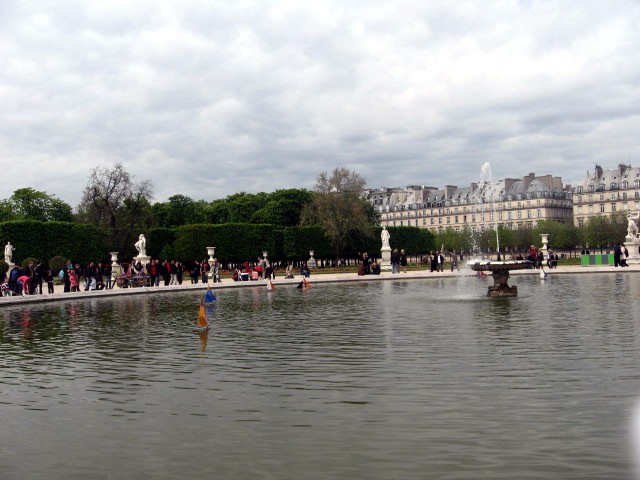
Sebastian kept a firm grip on my hand as we strolled through the Tuileries Gardens. We followed a path past flower beds of tulips and daffodils. I paused for a moment to watch a group of children sailing wooden boats in the basin of a pond-like fountain.

​ “After the museum, what do you say to a cruise down the Seine?” Sebastian said, pulling me along. “We should totally play the part of weekend tourists.” He squeezed my hand and I gently extracted my fingers from his.

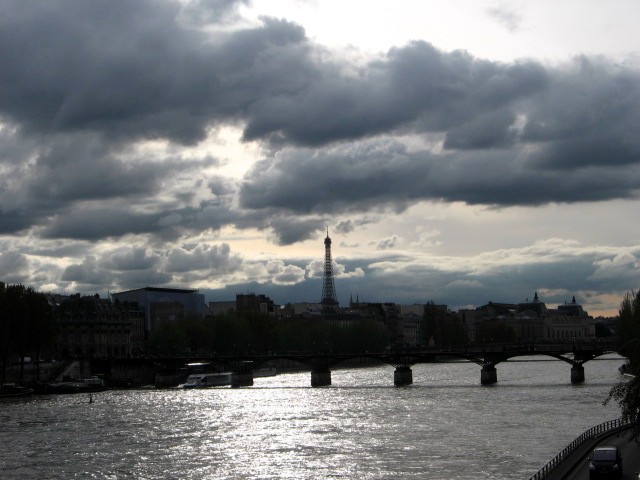
​​ “Look,” I said, glancing over my shoulder at Maude, who trailed behind us. “The Eiffel Tower.” The shadowy silhouette of the iconic landmark shimmered in the distance like a dream. “I can’t believe I’m actually here in Paris.”

​​ Maude caught up. “Just wait until you see the waterlilies at the Orangerie. Les nymphéas sont très . . . magnifiques.”

​I had to suppress a grin. Her labored attempt to speak French was admirable but slightly comical. Maude herself admitted she was dreadful at foreign languages. Since my high school Spanish obviously wouldn’t be much help, we were lucky to have Sebastian along. My brilliant boyfriend was practically fluent in French, so he had done most of the talking at our hotel the night before and in the café where we had ordered coffee and the most delicious croissants for breakfast.

​”Come on,” Maude said. “No dawdling. We have a lot to accomplish this weekend. We want Elizabeth Ann to see as much of Paris as she can before she has to go back to San Diego.”

Her words hung in the air and suddenly I had a lump in my throat. In less than a week, I would be home and Sebastian would be thousands of miles away. I reached for his hand, matching my steps with his as we followed Maude’s determined figure through the garden.

​Claude Monet’s waterlily paintings spanned the walls of two galleries in the Musée de l’Orangerie. I stood in the middle of the spacious, airy room and pivoted slowly marveling as the swirls of sage, mauve and periwinkle shifted to bolder shades of navy, gold and forest green. I felt like I was inside a kaleidoscope. ​Sebastian and Maude stood on opposite sides of the gallery, each studying one of the humongous murals.

​ “Elizabeth Ann, come look at this,” Sebastian said.

​ I crossed the room to stand beside him. He draped his arm across my shoulders. Swirls of cottony white blended with luminous shades of blue to depict clouds reflected on the surface of the water.

​ “Tell me if you can spot a woman’s face in the lily pond?”

​ As I let my gaze wander over the massive canvas, a shadowy silhouette of a beautiful woman seemed to float up from the depths of the pond.” “Ooh!” I pointed at her. “Is she right there?”

​ “Exactly,” Sebastian said with a grin, pulling me closer. “Smart and observant as well as beautiful.” He leaned in and let his lips brush lightly against mine.

​ I stepped away and gave him a wistful smile. “These paintings are awesome,” I said clearing my throat. “I can’t wait to see Monet’s water gardens in person tomorrow when we go to Giverny.”

​ “Just wait until you see his house. You’ll love it. He lived there for forty-three years. He designed two additions to the original house and chose all the colors for the different rooms.” Sebastian led the way into the next gallery. Standing in front of one of the murals, he grabbed my hand and went on, “Someday, maybe I’ll build us a house just like it in the Cotswolds.”

​ Was he serious? My heart fluttered and my cheeks grew warm as he talked, describing in intricate detail a country home with a large kitchen and wild garden out back. Although he did his best to project a worldly and cosmopolitan image, Sebastian was not a city boy. He had grown up in a tiny English village not too far from Stratford-upon-Avon.

​”Maybe we could even have a conservatory. You’d like that, wouldn’t you, Elizabeth Ann?”

​I stared at him and tried to imagine living anywhere but southern California. My heart warmed as I pictured us having tea in our conservatory surrounded by African violets and ferns.

Would Sebastian and I really become an old married couple settled in an English country village someday?

Quintessential Sketches

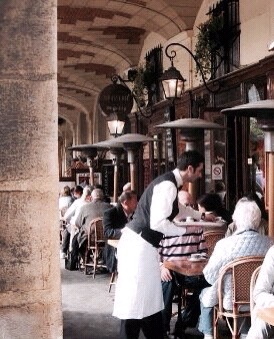
Paris is known for its atmospheric sidewalk cafés.  Locals and tourists lounge at the small tables, sample delicious French fare and watch the world pass by.  In 2008, my husband and I stayed in a wonderful hotel near the Place des Vosges.  This lively square, formerly called Place Royale and one of the oldest in the city, is home to art galleries, shops and restaurants, as well as the Maison de Victor Hugo museum.  While we were strolling through the park on a sunny afternoon, I snapped this picture of a busy café.

Place des Vosges 2008 (photo by L. Walkins)

From her strategic spot in the northeast corner of the Place des Vosges, Camille has a fine view of the outdoor café.  Through the arch of the stone arcade, she glimpses a trio of round tables, two of them empty and the third occupied by a pair of chic girls.  Camille admires their floral sundresses and the silk scarves wrapped insouciantly around their necks.

One of the girls  waves her slim hands about and leans forward, her heart-shaped, freckled face luminous with delight.  Listening with a smile on her face, the other girl tucks her bobbed auburn hair behind her ears, and bursts into peals of laughter. Camille wonders if they are sisters or simply best friends.

Opening the sketch book on her lap, Camille takes a Faber pencil from the small backpack on the bench beside her.  She pauses to think about what Claude, her art instructor said this morning in class.  He wants her to sketch a quintessential scene that captures the Parisian spirit.  What could be more Parisian than a sunny afternoon relaxing at a sidewalk café?

A waiter materializes to lay plates of neatly folded crêpes before the girls.  Camille studies his classic profile and slightly shaggy dark hair.  He wears black and white just as she imagines a proper Parisian waiter would.  Setting pencil to paper, Camille begins to sketch.  With fluid, easy strokes she captures the flirtatious glances of the girls and the faint dimple in the waiter’s clean-shaven cheek.   She frames her models with the outline of the arcade and adds some details.  At last, she looks up and then back down at her drawing.  With a satisfied nod, she carefully closes her sketch book.

Leaning back against the weathered wooden slats of the park bench Camille glances around her.  A black and a grey poodle chase each other around a graceful fountain.  One of the little dogs leaps up and trots along the rim of the basin as sparkling drops of water rain down.  The poodle stops to shake its damp curly coat and tumbles into the pool with a surprised yelp.   Camille laughs and wonders if she should submit a sketch of the poodles to her instructor instead.

A cellist sits on a stool beneath the shade of the chestnut trees.  As if providing a soundtrack for the cavorting poodles, he plays “Carnival of the Animals.”  Humming along to the music as the dog scrambles out of the fountain, Camille files away the ironic moment.  She will tell her sister, who loves Saint Saens, all about it later tonight when she calls home.

Across the park, the dormer windows of Victor Hugo’s brick home gleam beneath the bright blue sky.  Camille imagines the author emerging through the front door of No. 6 to clear his head with a brisk walk around the park after an intense session with Fantine and the unfortunate poor of nineteenth century Paris.  Perhaps he would be in search of a sustaining meal.

Camille turns her attention once again to the café.  The girls sit back in their chairs sipping wine.  The waiter takes an order from an elderly couple, who hold hands across the table.  Camille stands and walks briskly toward the restaurant.  Enjoying a  sustaining meal herself will be the ideal way to cap off her quintessential afternoon.

The Rose

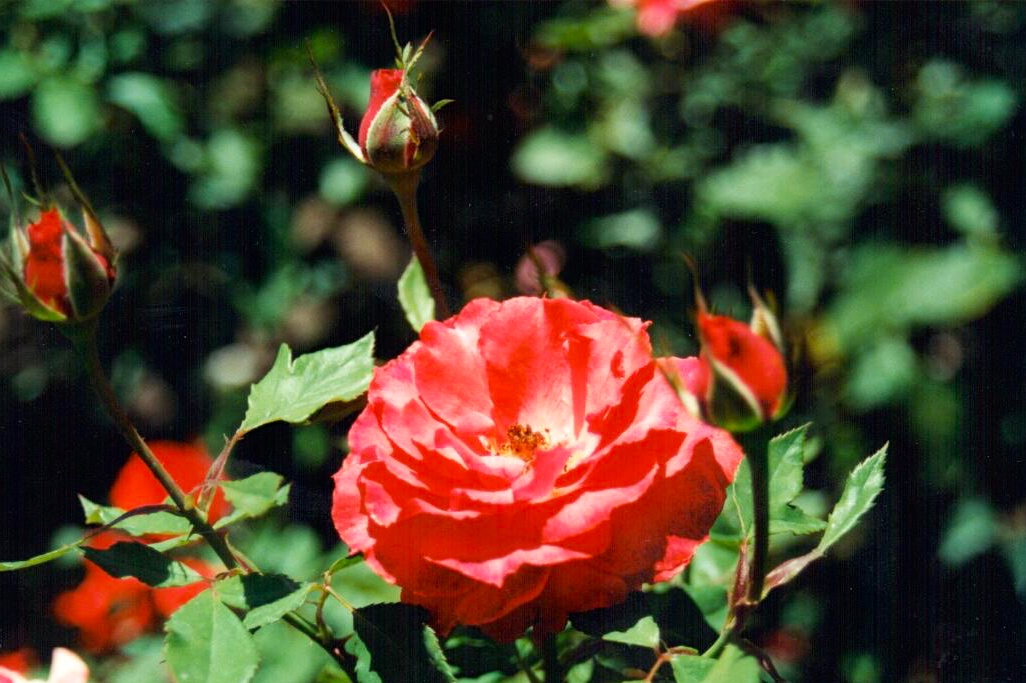
Whenever I travel to Los Angeles, my trip is not complete without spending a glorious afternoon at The Huntington. This remarkable research library established by businessman and financier, Henry E. Huntington, is surrounded by 12 singular botanical gardens. A scenic stroll through the sublime Chinese, Japanese, and Australian landscapes, as well as the Rose, Camellia and Shakespeare gardens must be followed by a visit to at least one of the extraordinary art galleries on the property.  Huntington was a discerning collector of British, French and American art. Of course, the gift shop and the Rose Garden Tea Room are also not to be missed. I took this photo in the Huntington’s Rose Garden and later wrote the accompanying essay.

rose

The Huntington Botanical Gardens, 1990. (Photo by L. LeVasseur)

The roses nod and whisper among themselves of candlelit dinners, weddings and moonlit strolls, as the mellow breeze meanders through the sun-drenched garden.  The soft June air is filled with a hypnotic floral perfume.  In a riot of reds, yellows and pinks, the delicate blossoms cling to the stone wall surrounding a thatched bungalow. A tiny, red bud stretches its furled petals to the cerulean sky.

A buxom, vigorous woman dressed in a faded, cotton sundress and carrying a pair of secateurs, moves briskly through the garden.  She hums a bit of Mozart as she  gathers the sweetest blossoms, placing them carefully in her wicker basket.   With a gentle hand she snips the new rosebud from the vine.

The gardner carries the roses to the end of her winding, dusty lane where she has set up a roadside stand.  Arranging the flowers in bright, hand-painted vases, she places the baby rosebud within a bouquet of elegant pink blooms.  Sitting in the shade of the ancient oaks lining the country road, she waits patiently for  someone to stop and purchase the roses she has tended so lovingly.  She hopes to share their beauty with someone special.