Category Archives: Art Museums

Boston: an enchanting travel destination

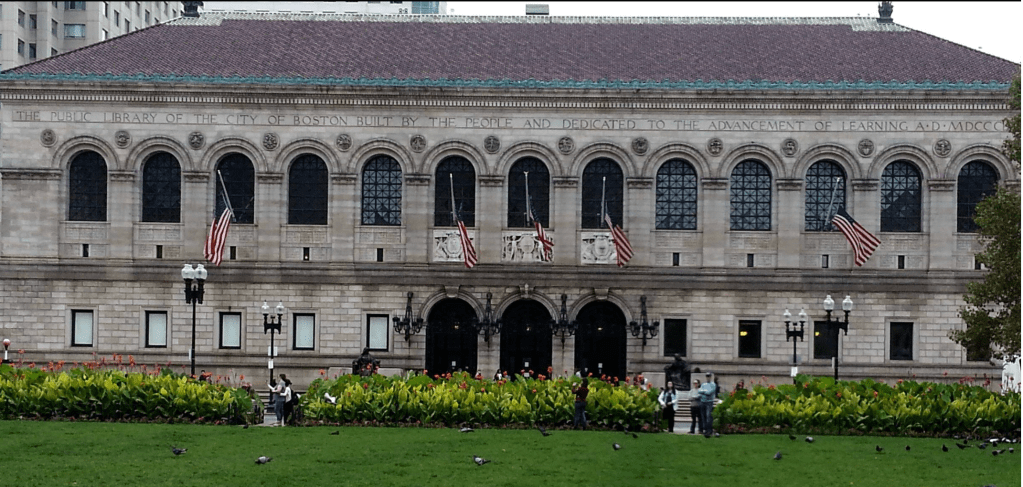
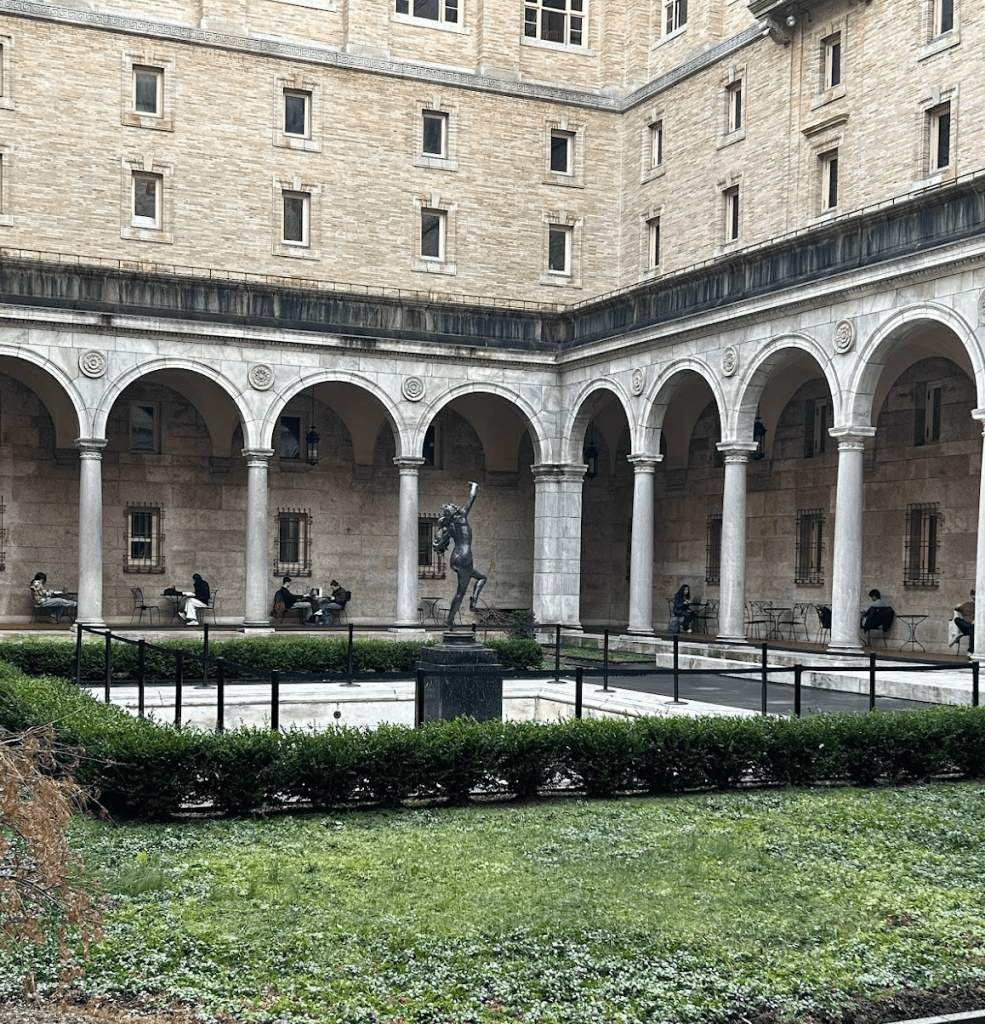
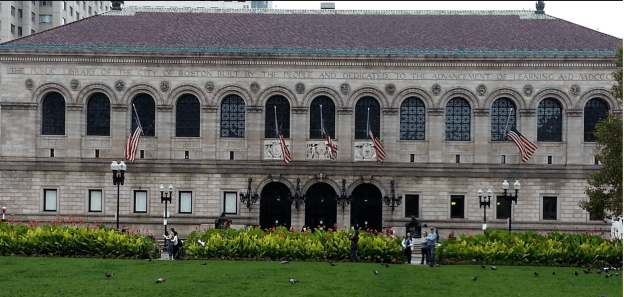
Boston is known as a city where every corner tells a story. It is steeped in history, culture, academia, sportsmanship, good food and stunning architecture. Throughout the decades as a Boston resident, I have collected an abundance of memories, happy stories written in the squares, avenues, parks, museums, libraries, ballparks and restaurants of the city. I feel blessed to make my home in such an enchanting travel destination. The photo essay inspired by pictures I have taken in Boston, tells the story of a bride who is quickly falling under the spell of Massachusetts’ capital.
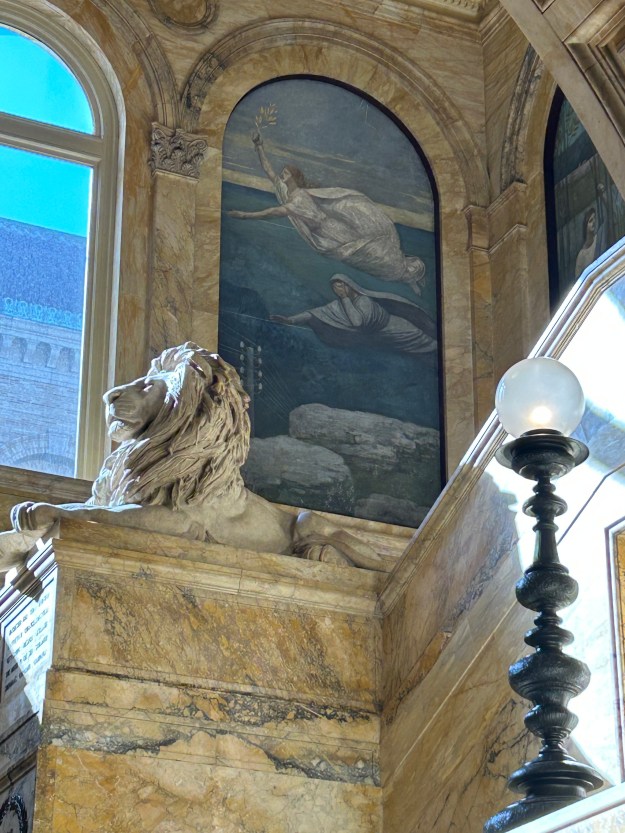

Margot O’Reilly woke up in the elegant bridal suite at the Copley Plaza Hotel. Soft sunlight peeking through the partially opened curtains lit up the quiet room. She sat up and stretched, taking in the plush armchairs by the window, the gleaming mahogany bureaus, and the marble fireplace. Smiling to herself, she snuggled back underneath the luxurious bed coverings as happy memories drifted through her mind. Last night, she and Oliver were married at the Boston Public Library. Their friends and family all raved about the unique venue.

Last spring during her school vacation, when Margot and Oliver flew to Boston from Philadelphia to visit his family in West Roxbury and share the news of their engagement, they had spent an afternoon wandering around the Back Bay. At the library, she picked up a pamphlet advertising wedding options. As she read through the glossy booklet, she knew immediately that she had found the perfect place to get married. To her delight, last evening had been flawless. The ceremony and cocktails in the Courtyard were followed by dinner in Bates Hall Reading Room and dancing in the Abbey Room.

“Good morning, Mrs. O’Reilly,” Oliver said. Wrapped in one of the hotel’s waffle robes, he stepped out of the steamy bathroom and crossed the room to sit on the edge of the bed. His hair was damp and he smelled of lemony soap and minty toothpaste. He had gotten up early to use the hotel’s gym.

Margot grinned at the sound of her new name. She had thought about hyphenating their last names, but Beauvilliers-O’Reilly had too many syllables. She wondered how long it would take her students to get used to her married name.

“Good morning, my darling husband,” she replied. She kissed him and went on, “If you could order us some breakfast, I’ll jump in the shower. We have a busy day ahead of us. Art in the morning and the Red Sox this afternoon.”

Oliver laughed. “The MFA and Fenway, two Boston icons.”

Margot climbed out of bed and walked over to the window. She opened the curtains revealing their view of the library and Copley Square. “It looks like a beautiful day. Perhaps we can fit in a walk through the Public Gardens and the Common.”

Oliver nodded and reached for the phone to call room service. “Margot,” he called after her as she disappeared into the bathroom. “It’s going to be a great day. I’m glad we decided to honeymoon in Boston.”

Margot poked her head through the doorway. “Me too. I love this city almost as much as I love you.”
A Day to Remember

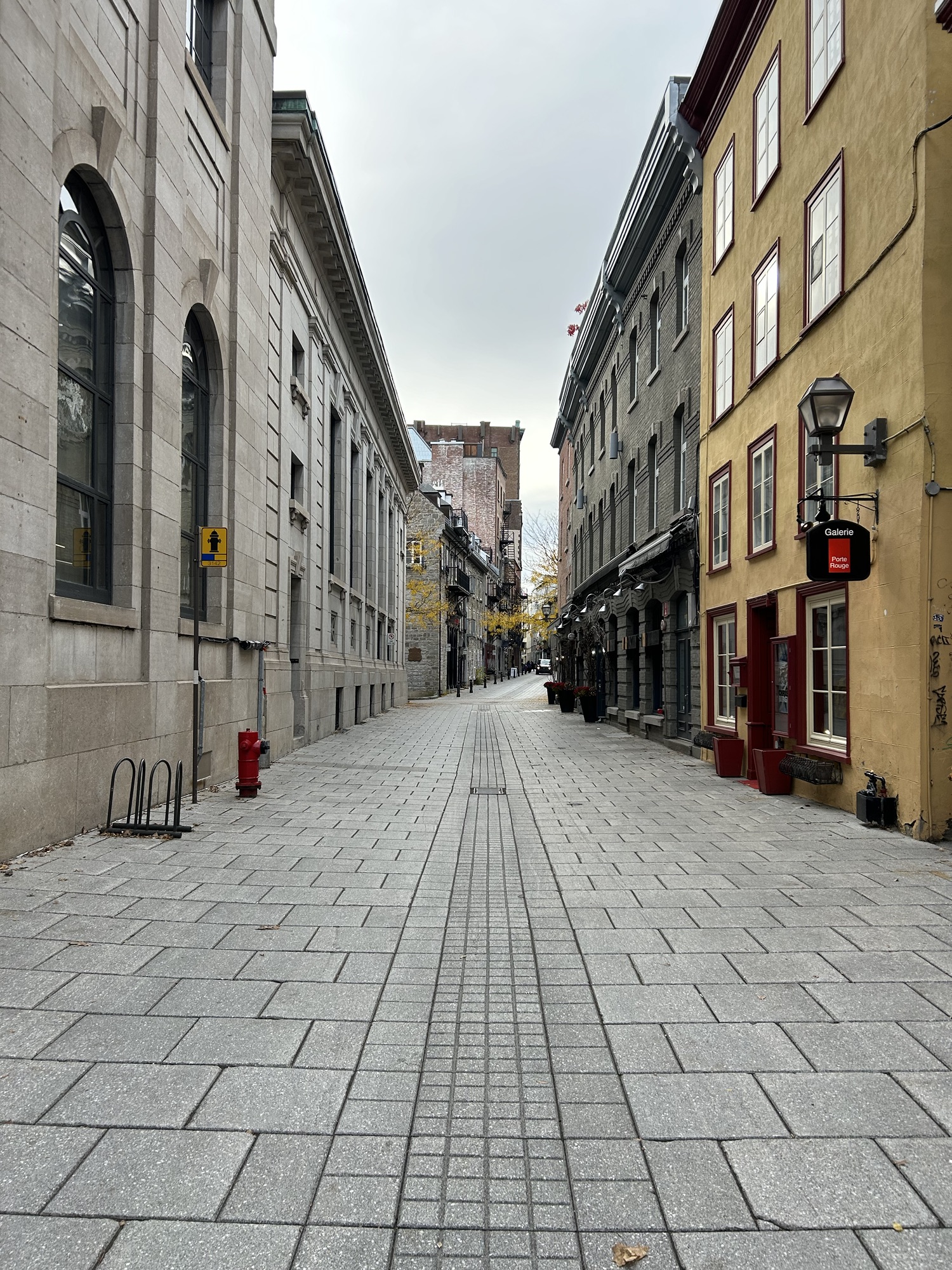
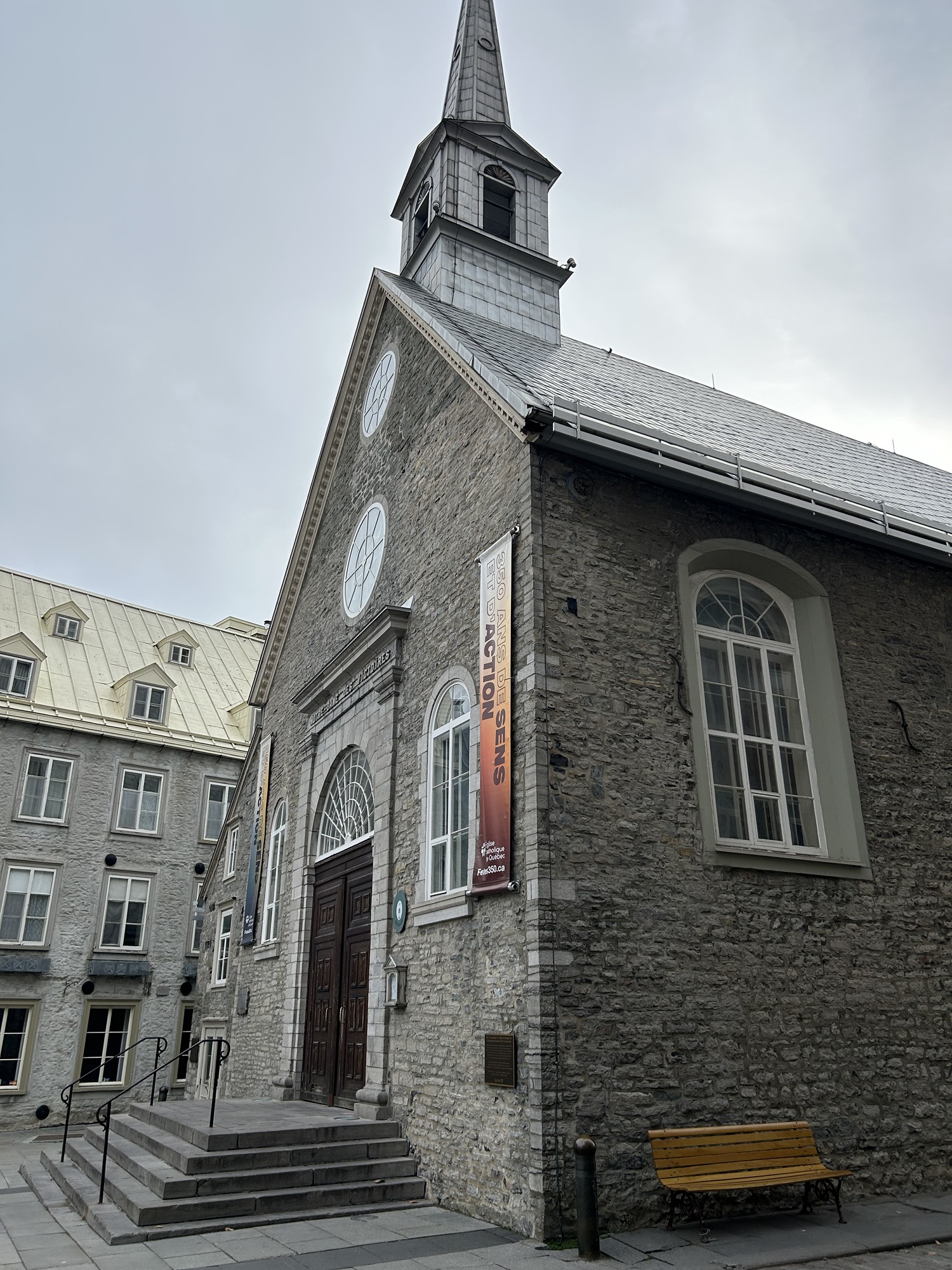
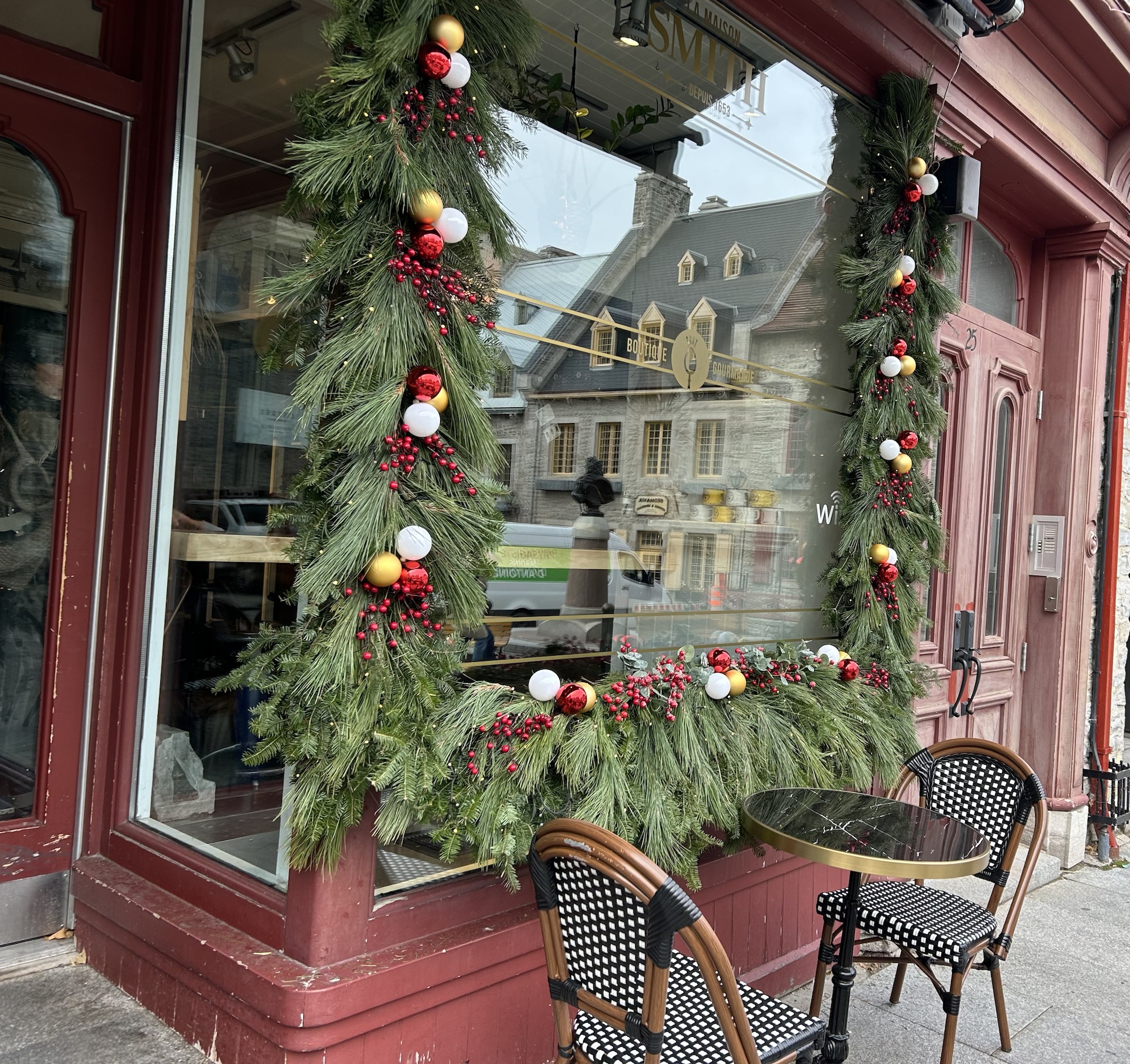
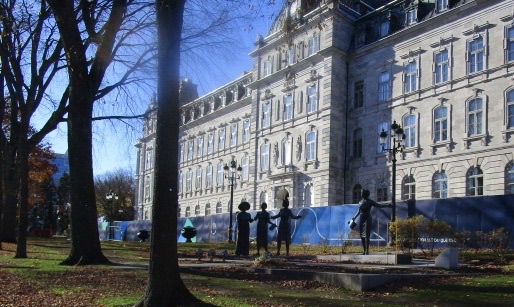
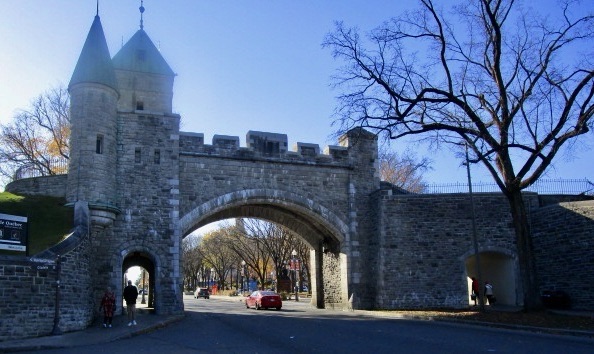
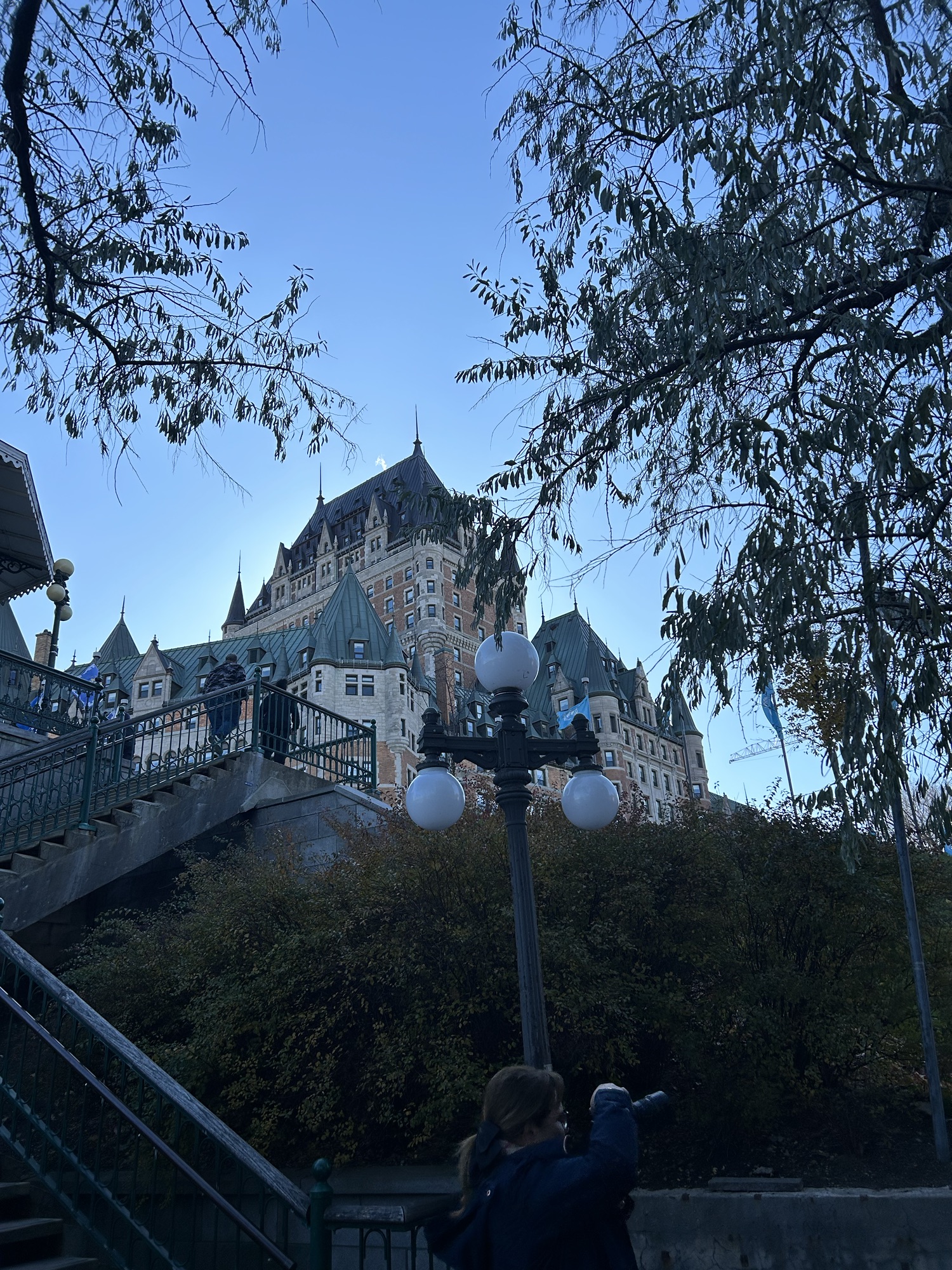
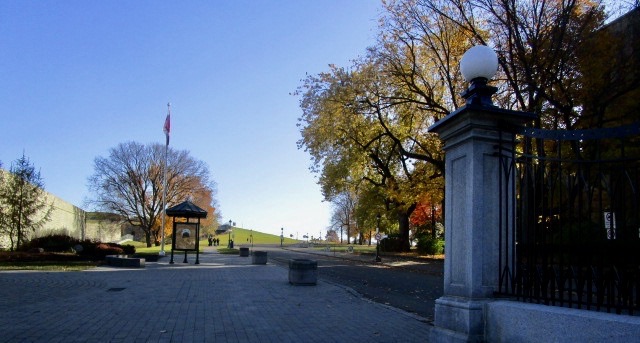
Of all of the wonderful travel destinations in Canada, Quebec City is my favorite. The centuries old, historic city is replete with European charm. On a recent visit there with my sister, we toured the city on foot and by bus. We stayed in a comfortable, ideally located hotel in Old Québec. We had plenty of opportunities to admire the art and architecture, indulge in some delicious meals, and take a lot of photos. The pictures from our weekend adventure reflect the setting of my most recent short story. Please enjoy reading an excerpt of that story below.

I’ve always loved his grey-green eyes.  The minute our gazes met across the kitchen in Québec City, I was hooked. I met Lukas on my second day of vacation at a baking class led by one of the city’s well-known pastry chefs. Our instructor, a petite, middle-aged woman with a long, blonde braid divided our group of eight into pairs and Lukas was my assigned partner.


Lukas and I  worked well together, chatting companionably.  I found out that he was an only child who grew up in Bath, England and a chef, who was on the verge of opening his own restaurant. I described my job as a food critic for a local newspaper and told him about my family.

Our time in the kitchen flew by. Before we knew it, we were showing off a tray  of rather impressive maple macarons to the class.   As we were cleaning up our station, Lukas invited me to lunch.  From then on, we were pretty much inseparable for the rest of the week.

We explored the Basse-Ville neighborhood, walked along the walls enclosing the city and got our fill of history and québécois culture at the Musée de la Civilisation and the Musée National des Beaux Arts. On our last day together, we ate breakfast at my hotel and then walked off the scrambled eggs, fruit and almond croissants on the Plains of Abraham.

Closing my eyes, I relived that wonderful day.  The weather had been perfect.  Blue skies and plenty of warm sunshine.   Bypassing the military museum at the entrance to the park, we made our way to the wide path overlooking the St. Lawrence River.

The park was busy that day, filled with joggers, dog walkers and picnickers. We strolled by the Joan of Arc garden, with its monument to the saint and one of the stone Martello towers, built to fortify the city. In front of the tower, a group of men dressed in eighteenth century military costumes, entertained a crowd of onlookers with stories of life in the army barracks centuries ago.  

When we reached the riverside walking trail, we paused to take in the view. We looked down at the roofs of the lower town and the glittering, watery expanse of the St. Lawrence. The silhouette of the famous Chateau Frontenac, Québec’s iconic landmark, shimmered on the horizon.

Shading my eyes from the sun to watch a tour boat churn by on the river, I said, “My brother and his wife were here last summer for the music festival. Edmund’s wife, Joy, is a singer. She has a life goal to attend at least one music festival a year. She said the Québec City Summer Festival was one of the best.”

”Apparently, concerts and festivals are a regular occurrence here on the Plains,” Lukas said.

“The Québec Winter Carnival in February is also supposed to be pretty awesome.  I’ve heard the ice sculptures alone make it worth braving the cold.”

Lukas linked his arm with mine, as we continued walking. ”We should come back in February,” he said.  “Do a bit of cross country skiing and brave the cold at the carnival.  Afterwards, we can cuddle up in front of the fire with a cup of tea or even better, a glass of mulled wine.”

”That might be fun,” I said. My heart filled with hope as his grey-green gaze met mine and we shared a smile.

Campus Life

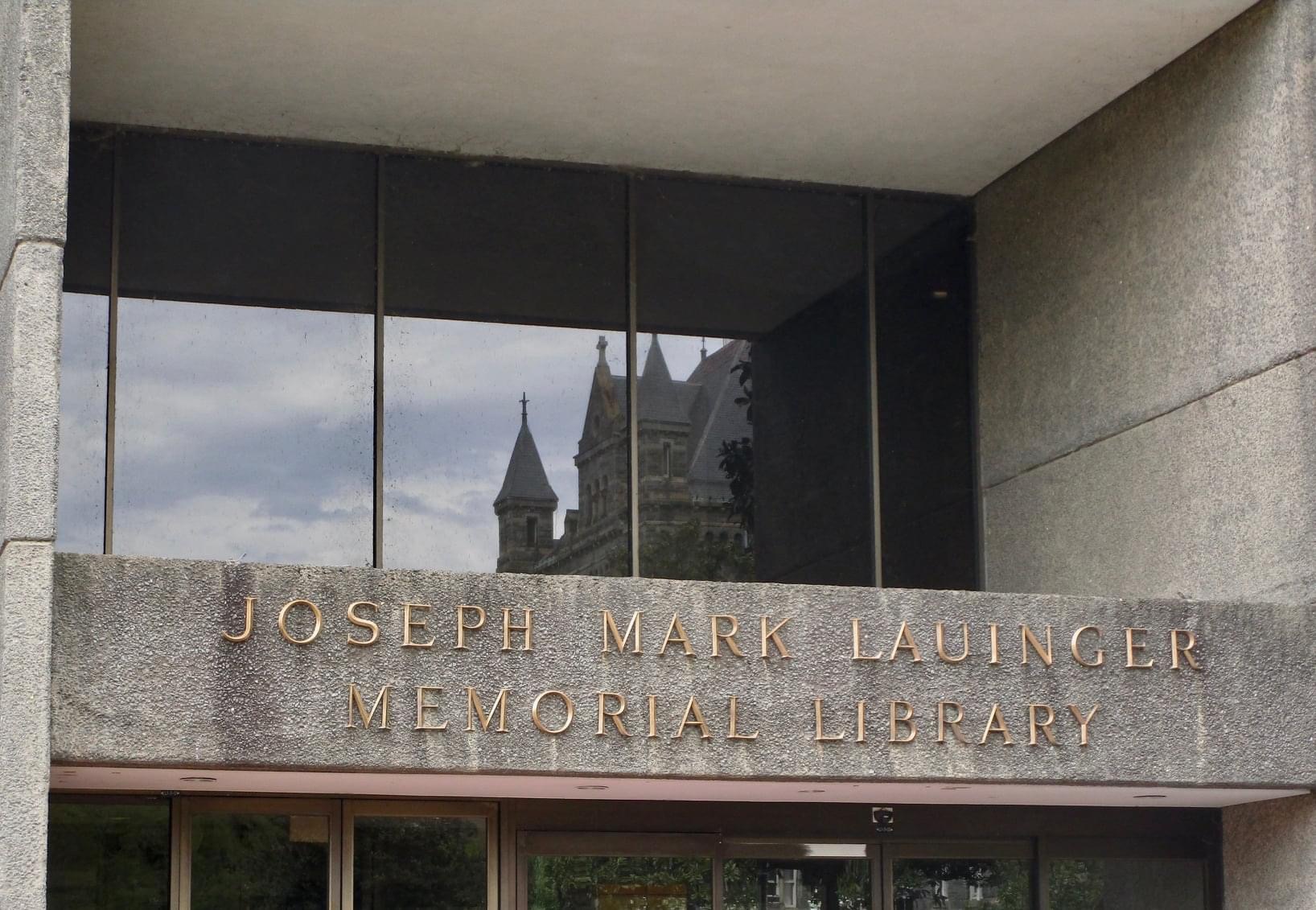
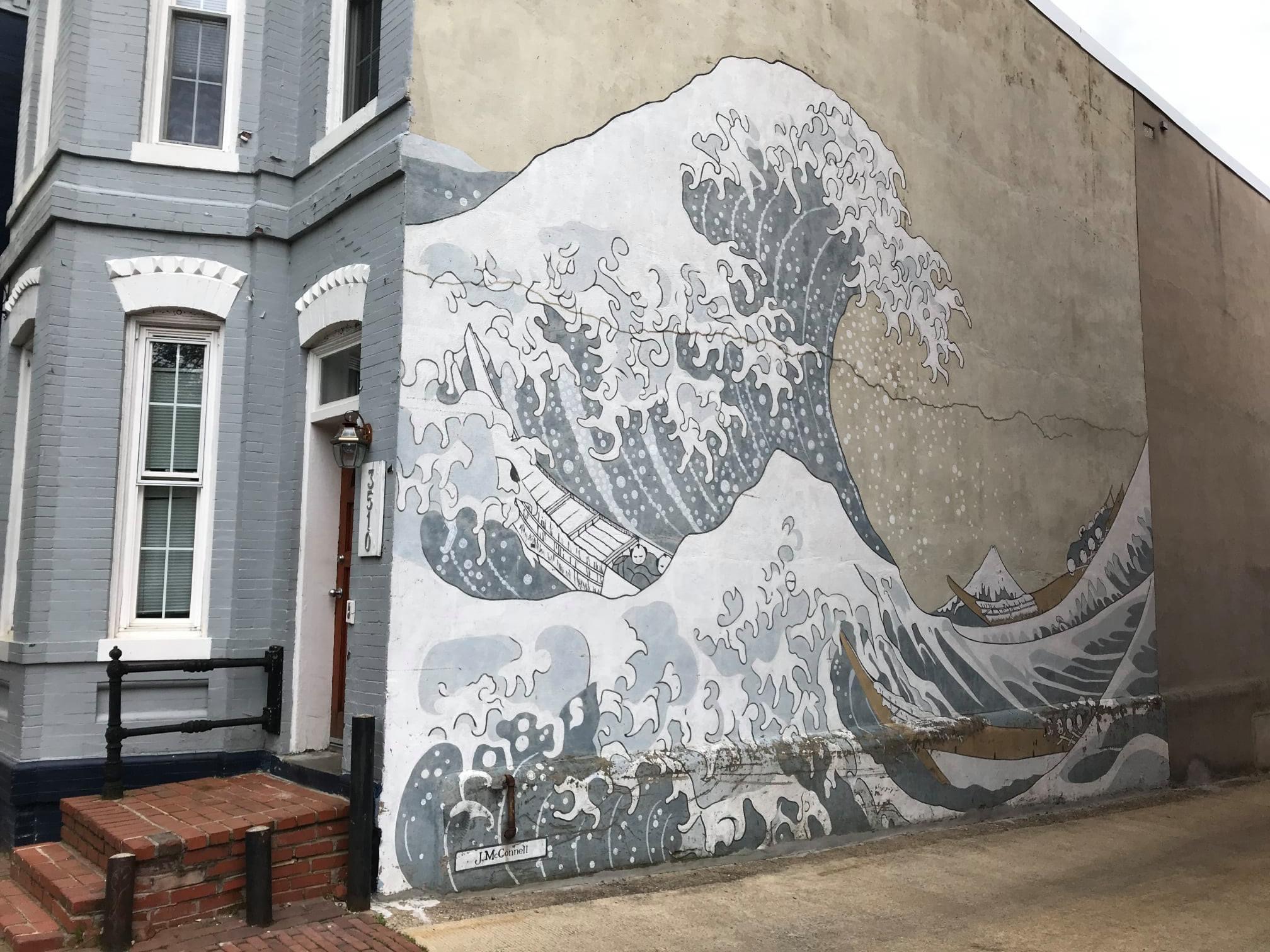
One of my preferred travel destinations is Washington, DC. For many years, my husband and I enjoyed a family tradition of spending Columbus Day Weekend in the national capital. Each trip was unique. Some of our favorite sights in DC include the National Zoo, the Phillips Collection museum, the National Mall Carousel and Ford’s Theatre. On our last trip to Washington in 2021, we spent a delightful afternoon exploring the Georgetown neighborhood and college campus. My photos from that day have inspired the photo essay below.

Last year at this time, Sasha was sitting on the lumpy couch in her high school Guidance Counselor’s office. While she waited for Ms. Burns to get off the phone, she flipped through an outdated issue of Campus Life magazine. The glossy pages were filled with photos of smiling students lounging on sunny lawns, laughing in Harry Potteresque dining halls, or listening attentively in high-tech classrooms. She and Ms. B were meeting to finalize Sasha’s college list with Georgetown University right at the top.

Now, here she was on her first Saturday as a college girl, walking across the Georgetown campus. So far, her campus life was nothing like the one enjoyed by the students in the magazine.  Instead of bonding with her roommate, Jessica, and making friends with the girls in her dorm, Sasha was spending most of her free time alone. 

Jessica was nice enough. They just had nothing in common with each other. Jessica was a soccer player and a physical therapy major. When she wasn’t in class, she was either on the soccer pitch, in the gym or in the common room with her PT study group. Most of the other girls on her floor were sporty like Jessica. Somehow, dreamy Sasha who majored in art history had ended up in a jock dorm.

This morning, Sasha had gotten up early, determined to go out and find her people. She would start by visiting the De La Cruz Gallery. She remembered the guide pointing out the art gallery on her campus tour last fall. Maybe she could apply for a work study job or at least a volunteer position there.

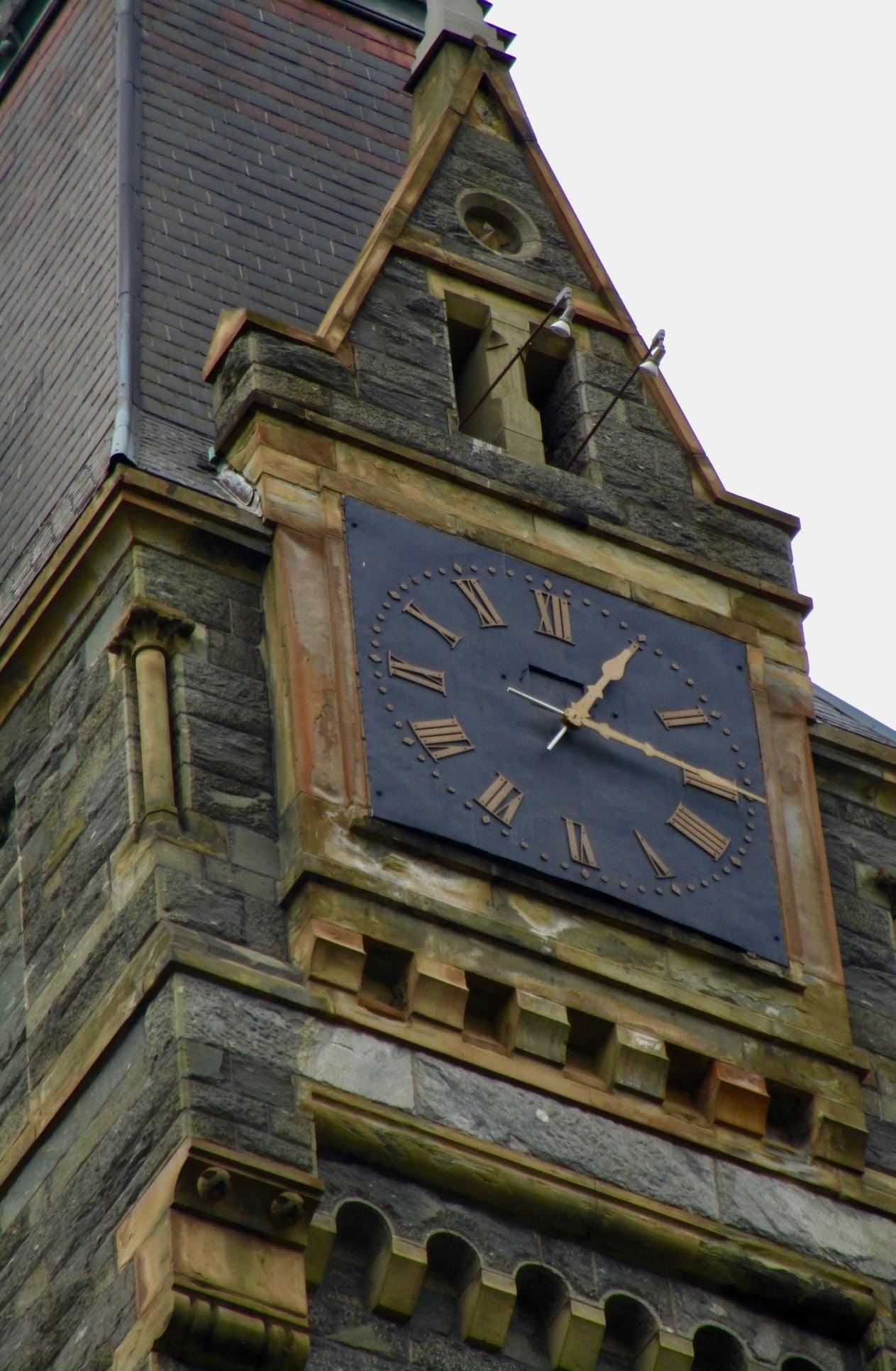
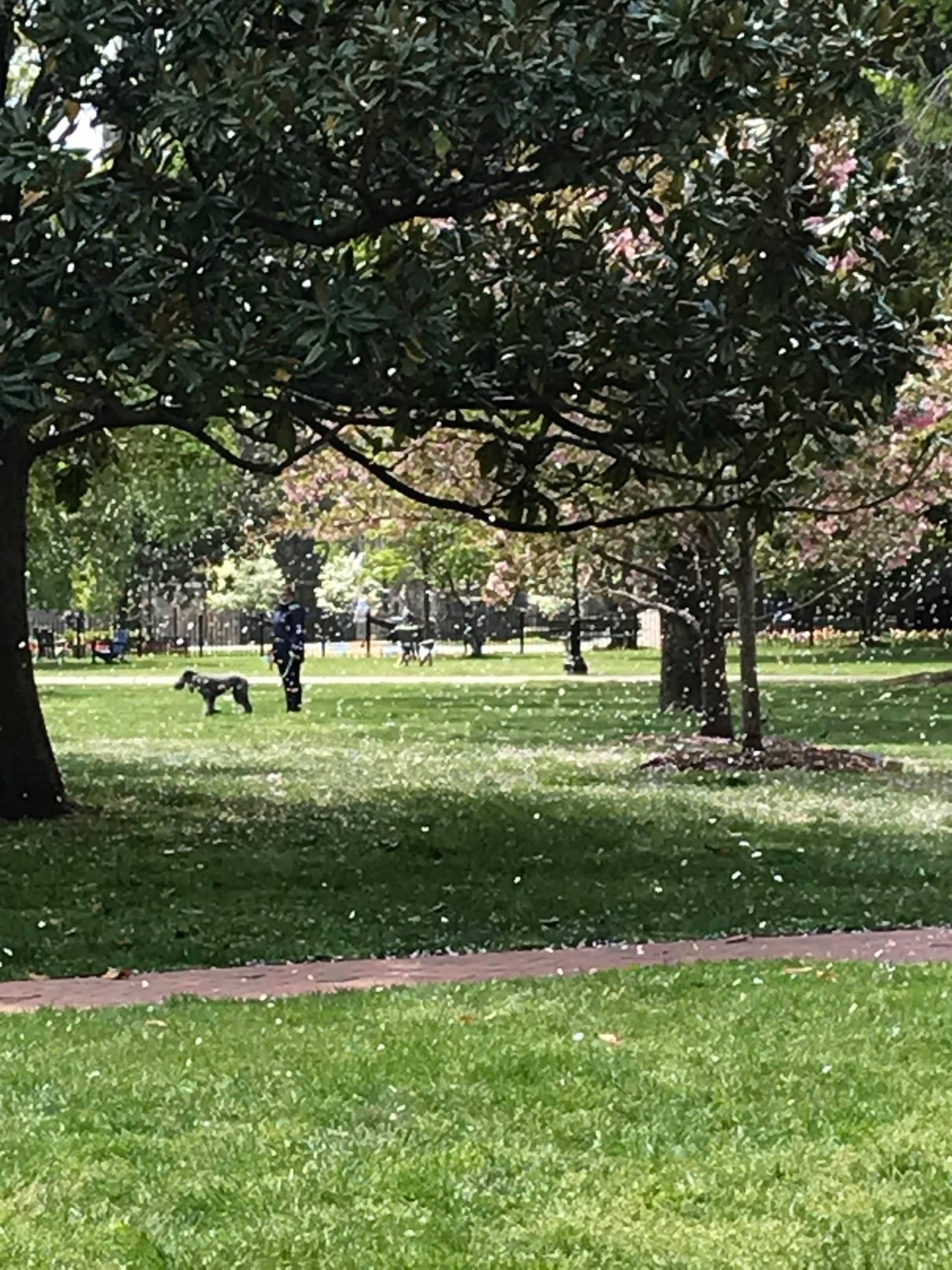
Sasha strolled along admiring the spires and arches that adorned the college buildings around her. The campus was quiet. The early morning sun shone down on the grassy quad in front of the library. A woman and her poodle were playing a game of fetch across the lawn. The clock atop the Gothic tower of Healy Hall struck the hour, the clear tones of the bells blending with the dog’s excited barking.

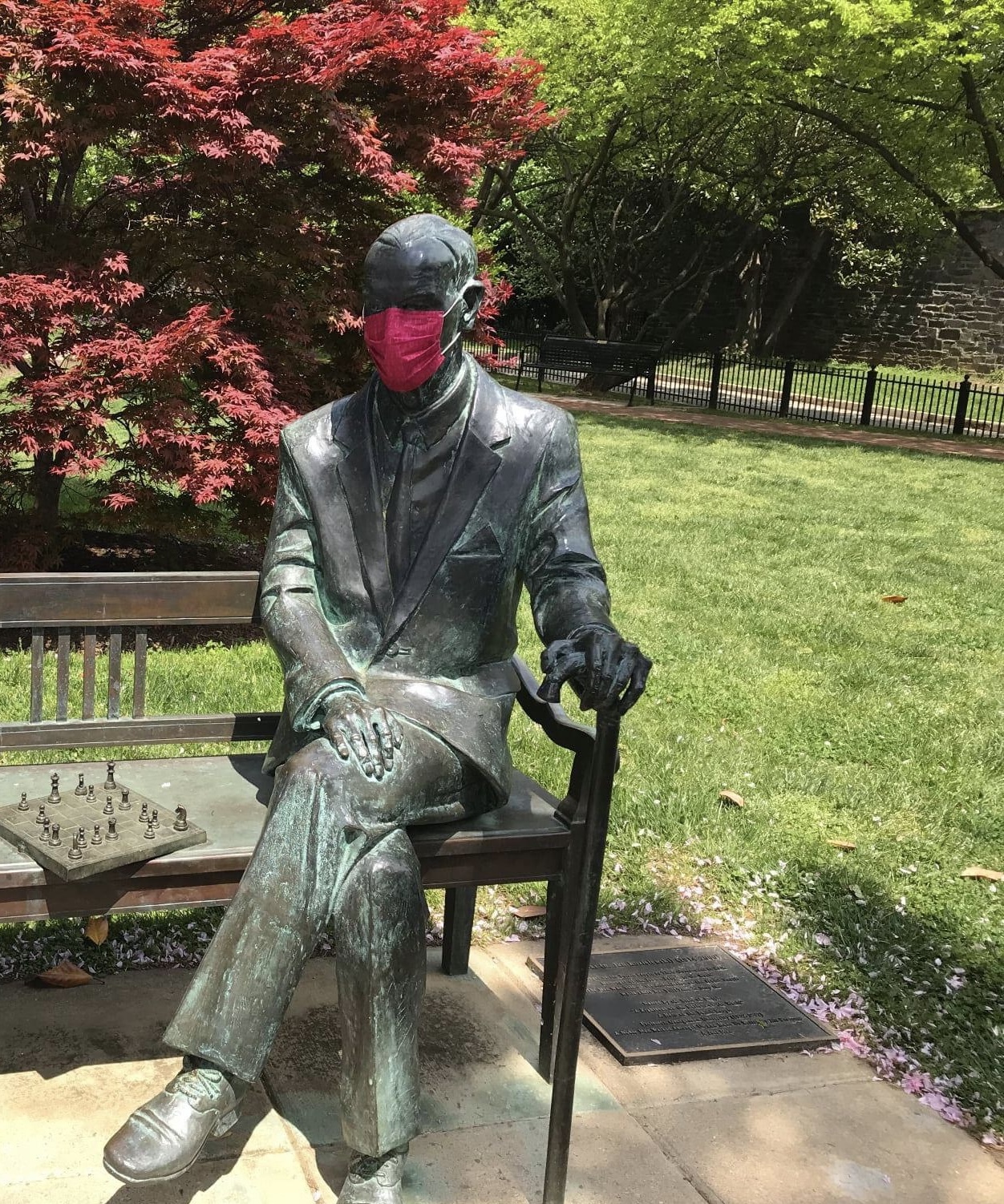
As Sasha wandered past the college’s honorary statue of Jan Karski (another highlight of her college tour), she noticed a girl sitting on the bench beside the bronze figure of the chess playing government and international affairs professor. She was dressed in a calf-length crinkle skirt topped with an over-sized college hoodie. An open sketch pad lay in the grass at her feet. She held her cell phone at an odd angle out in front of her.

“Do you want me to take your picture for you?” Sasha called out.

The girl lowered the phone and smiled at Sasha. “That would be great, yeah. I want to send this photo to my dad. This statue is of one of his professors, who was also a World War II resistance fighter.”

“That’s cool,” Sasha said, accepting the phone and snapping a few shots of the girl. “My name is Sasha, by the way,” she added. “I’m a freshman.”

“Me too. I’m Beatrice.” The girl took her phone from Sasha’s outstretched hand and nodded her head as she swiped through the new photos. “Thanks.”

Sasha started to walk away, but then turned back. “Hey, Beatrice. I’m going over to the art gallery, do you want to come with?”

Beatrice scooped up her sketch pad and pocketed her cell phone. “Sure, why not.”

The two girls chatted companionably as they walked together across the quad, and Sasha’s heart lifted with the hope that her real campus life was about to begin.

Twenty-one again

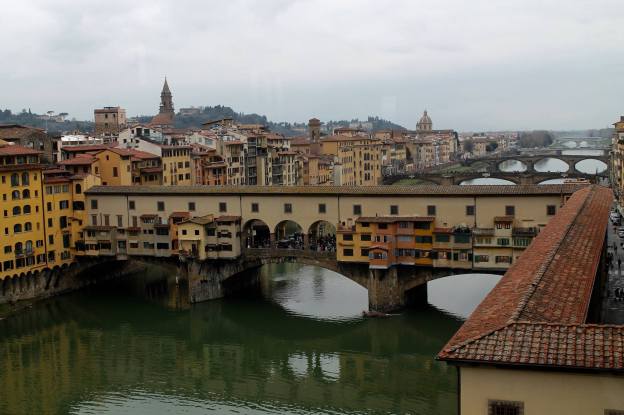
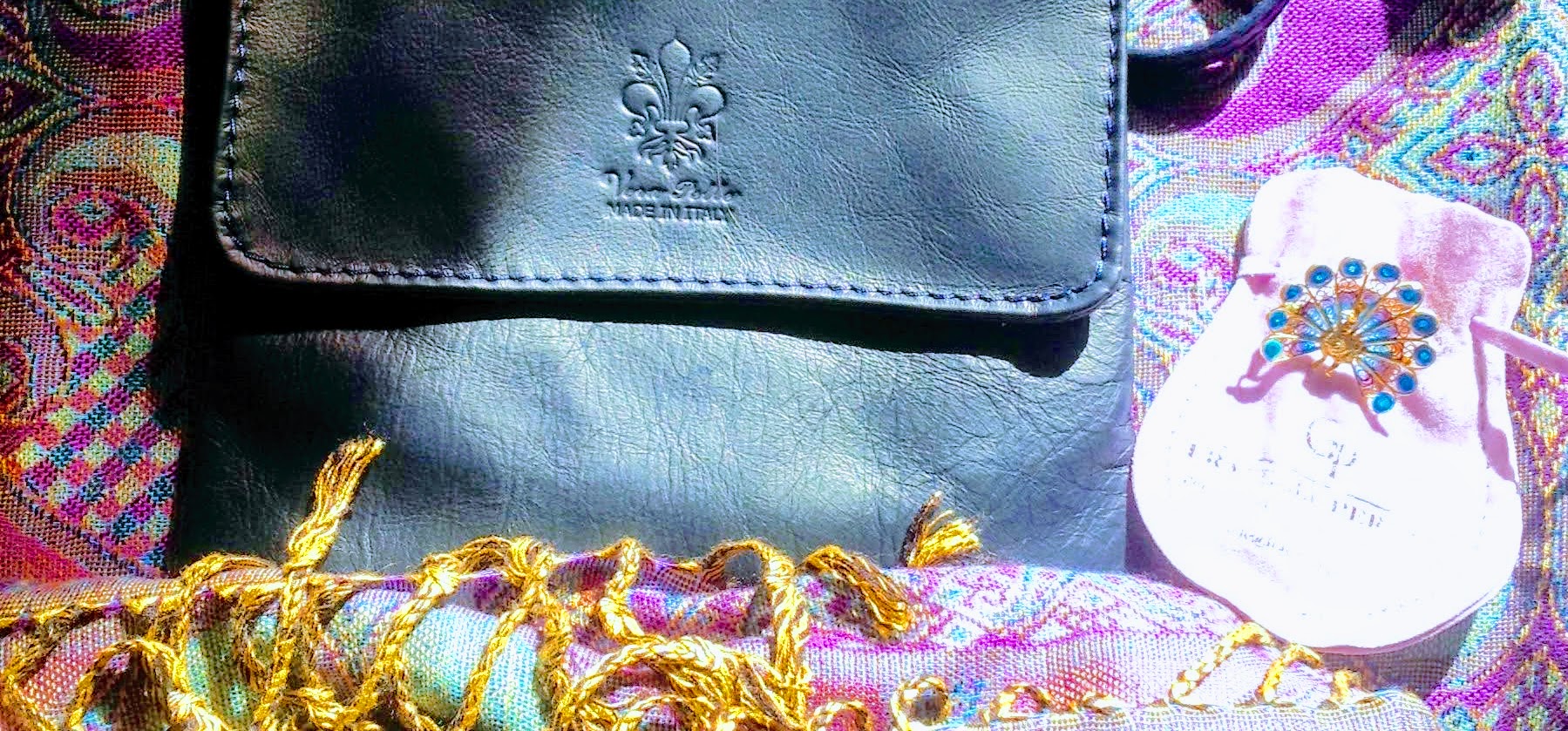
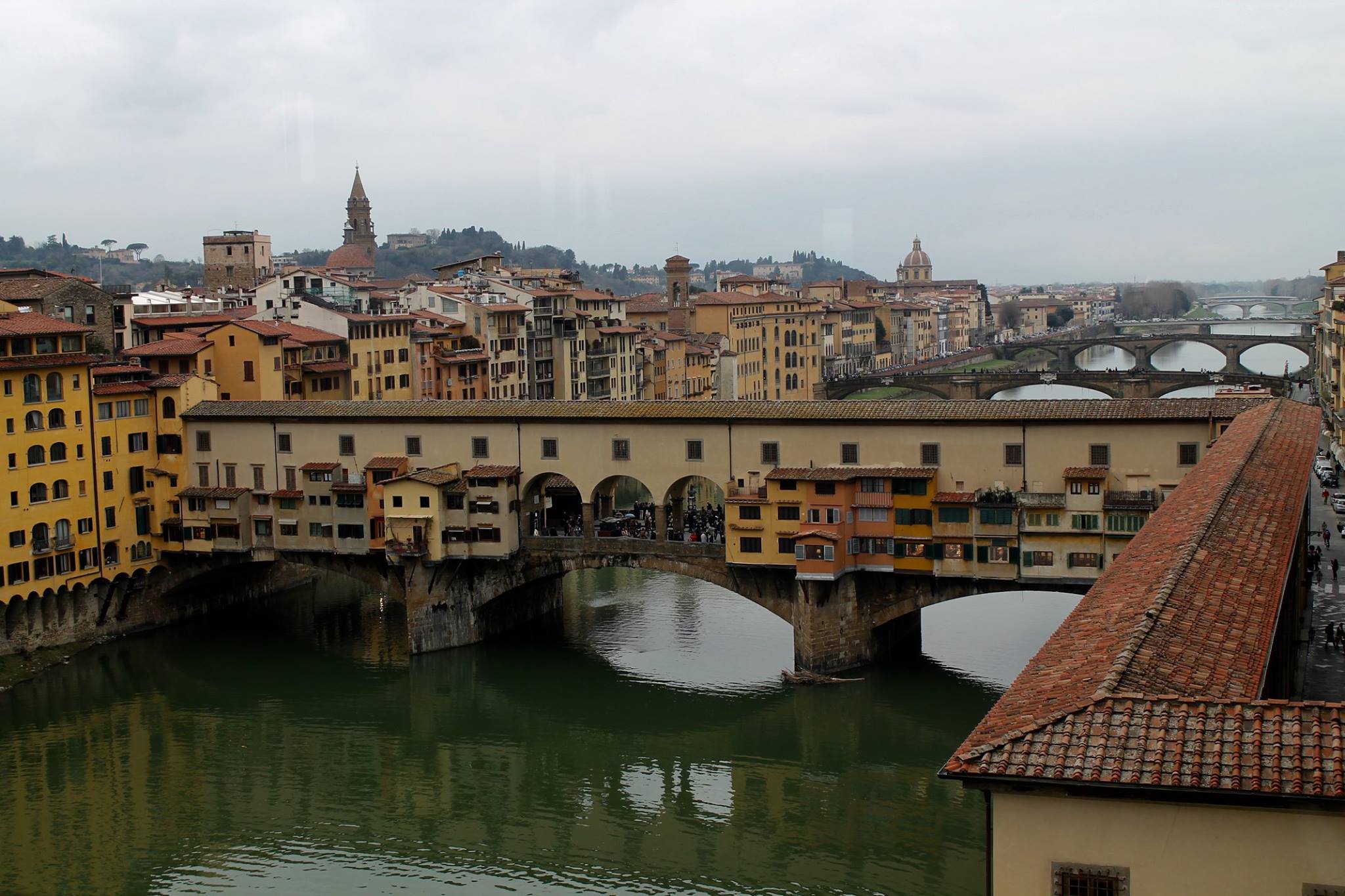
Ah Firenze! In 2017, I spent five delightful days in this lovely city, staying at a great hotel located at the foot of the Ponte Vecchio. My niece was studying in Florence for a semester. She lived in an apartment across the Arno just around the corner from the Uffizi Gallery. Each day, we would meet up in the middle of the Ponte Vecchio. One afternoon, we popped into one of the jewelry shops on the bridge and my niece helped me select my beautiful peacock brooch. The photos below have inspired some details in a short story I am currently working on. Here is an excerpt of that story.

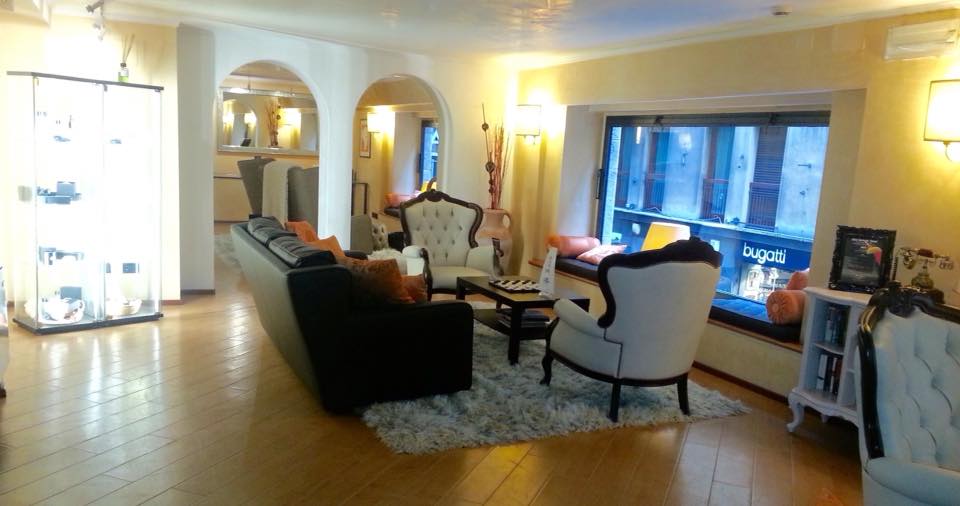
From the second floor lounge of the Hotel Firenze Pitti Palace, I watched the street below.  Tourists and Italian locals were striding up and down the narrow sidewalks, most headed in the direction of  the Ponte Vecchio.  Briefly, I wondered how many of them would be lured into one of the glittering  jewelry shops lining the bridge before they made it safely to the other side of the Arno.

Yesterday, after emailing  my final restaurant review to Gerald, my editor back in San Diego, I visited one of the shops that had an eye-catching display of gold and enamel brooches in its front window.  I had examined bejeweled cats, butterflies, and flamingoes, holding each one up to the lapel of my jacket.  Finally, I decided on a resplendent peacock that made me think of my morning stroll through the gardens at  the actual Pitti Palace.  I glanced down at the delicate pin now fastened to my  lime green sweater set and smiled.

Behind me the marble mantle clock struck three times.  Maude had said she should make it to the hotel by 3:15 or so.  She was notoriously prompt.  She would be here soon, unless of course her plane from Edinburgh was delayed.  

Maude and I met  in a public speaking course at Regent’s College back in 1998.  The two of us hit it off right away and she welcomed me into her London circle of friends. When my semester abroad ended, we vowed to always be friends and to really stay in touch instead of just saying we would and then not keeping our promise. Thank goodness we did. Maude was a dear and true friend.

As I peered out the window, scanning the sidewalk for Maude’s tall frame and long blonde braid, the  hotel’s resident gatto, Bella, jumped up onto the window seat and butted her head against my hand, demanding attention.  She was a dignified black and white tuxedo cat with a long plume of a tail.  

“Hello, pretty girl,” I said, reaching down to stroke her velvety head. “I wish my kitty Cinnamon could meet you.”  My fluffy orange cat was on vacation at my brother’s house back in San Diego.  Victoria and Angela, my nieces, I was sure, were taking excellent  care of her.
Bella leapt from her perch and sauntered out of the lounge, tail in the air.  I watched her go and then stood up as the doors to the elevator slid open.  An elderly couple stepped into the corridor. They turned to the right toward the guest rooms and I sat down on one of the plush armchairs facing the elevator.

Glancing at my watch, I crossed my legs and tried to relax. I couldn’t wait to spend a few days exploring Florence with Maude. She was a great traveling companion.  Over the years, we had taken a few trips together, beginning with a weekend in Paris at the end of my semester in London.  Maude and I had ridden on  the Eurostar train from Paddington through the Chunnel to the Gare du Nord along with our friend, Sebastian.

I cringed as memories of that mini vacation filled my mind.  Sebastian, who was kind, smart, funny . . . and yes, good-looking had been my first love.  Maude had introduced us at the beginning of the semester and Sebastian and I quickly became a couple.  Sadly, our romance came to a crashing halt during that weekend in Paris.

The clank of the arriving elevator pulled me away from my memories and seconds later, Maude bounded into the room.  Dressed in skinny jeans and a sleeveless, polka dot tunic top, with tendrils of long blonde hair escaping from her characteristic French braid, Maude looked more like a carefree college girl than a 34-year old wife and mother. Her sea green eyes lit up as she caught sight of me.

“Elizabeth Ann!” she cried, and tossed her overstuffed duffel onto the leather  couch so she could throw her arms around me.

“It’s so great to see you,” we said in unison and shared an ecstatic smile. 

All of the sudden, I felt 21 again.

Wishes and Waterlilies

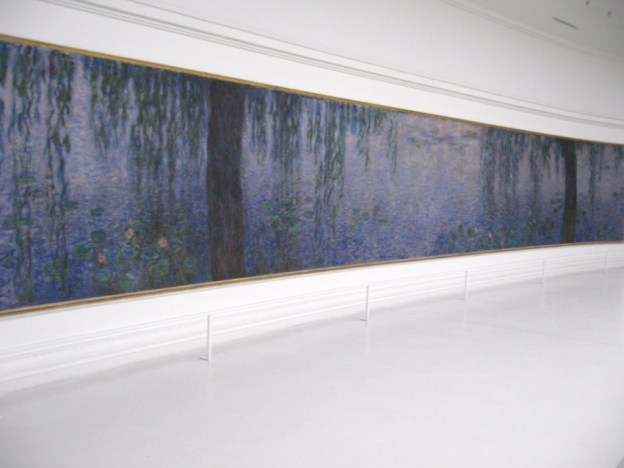
While traveling in the U.K. several years ago, my husband and I, along with my cousin, took a lovely day trip from London to Paris.  Looking forward to exploring the French capital, we boarded an early morning Eurostar train at St. Pancras station.  As the train sped through the tunnel beneath the English Channel, we planned what we would see in the City of Lights.  Claude Monet is one of my favorite artists.  Although, I had been to Paris before, I had never seen his famous waterlily murals at the Musée de l’Orangerie.  When we disembarked at the Gare du Nord, we set off to the Jardin des Tuileries where the Impressionist art gallery is located.  Memories of standing in admiration before the enormous panels painted more than 100 years ago, inspired me to include a scene set there in this excerpt from a short story featuring my character Elizabeth Ann Martini.

Les Nymphéas at the Musée de l’Orangerie 2010 (Photos by L. Walkins)

Sebastian kept a firm grip on my hand as we strolled through the Tuileries Gardens. We followed a path past flower beds of tulips and daffodils. I paused for a moment to watch a group of children sailing wooden boats in the basin of a pond-like fountain.

​ “After the museum, what do you say to a cruise down the Seine?” Sebastian said, pulling me along. “We should totally play the part of weekend tourists.” He squeezed my hand and I gently extracted my fingers from his.

​​ “Look,” I said, glancing over my shoulder at Maude, who trailed behind us. “The Eiffel Tower.” The shadowy silhouette of the iconic landmark shimmered in the distance like a dream. “I can’t believe I’m actually here in Paris.”

​​ Maude caught up. “Just wait until you see the waterlilies at the Orangerie. Les nymphéas sont très . . . magnifiques.”

​I had to suppress a grin. Her labored attempt to speak French was admirable but slightly comical. Maude herself admitted she was dreadful at foreign languages. Since my high school Spanish obviously wouldn’t be much help, we were lucky to have Sebastian along. My brilliant boyfriend was practically fluent in French, so he had done most of the talking at our hotel the night before and in the café where we had ordered coffee and the most delicious croissants for breakfast.

​”Come on,” Maude said. “No dawdling. We have a lot to accomplish this weekend. We want Elizabeth Ann to see as much of Paris as she can before she has to go back to San Diego.”

Her words hung in the air and suddenly I had a lump in my throat. In less than a week, I would be home and Sebastian would be thousands of miles away. I reached for his hand, matching my steps with his as we followed Maude’s determined figure through the garden.

​Claude Monet’s waterlily paintings spanned the walls of two galleries in the Musée de l’Orangerie. I stood in the middle of the spacious, airy room and pivoted slowly marveling as the swirls of sage, mauve and periwinkle shifted to bolder shades of navy, gold and forest green. I felt like I was inside a kaleidoscope. ​Sebastian and Maude stood on opposite sides of the gallery, each studying one of the humongous murals.

​ “Elizabeth Ann, come look at this,” Sebastian said.

​ I crossed the room to stand beside him. He draped his arm across my shoulders. Swirls of cottony white blended with luminous shades of blue to depict clouds reflected on the surface of the water.

​ “Tell me if you can spot a woman’s face in the lily pond?”

​ As I let my gaze wander over the massive canvas, a shadowy silhouette of a beautiful woman seemed to float up from the depths of the pond.” “Ooh!” I pointed at her. “Is she right there?”

​ “Exactly,” Sebastian said with a grin, pulling me closer. “Smart and observant as well as beautiful.” He leaned in and let his lips brush lightly against mine.

​ I stepped away and gave him a wistful smile. “These paintings are awesome,” I said clearing my throat. “I can’t wait to see Monet’s water gardens in person tomorrow when we go to Giverny.”

​ “Just wait until you see his house. You’ll love it. He lived there for forty-three years. He designed two additions to the original house and chose all the colors for the different rooms.” Sebastian led the way into the next gallery. Standing in front of one of the murals, he grabbed my hand and went on, “Someday, maybe I’ll build us a house just like it in the Cotswolds.”

​ Was he serious? My heart fluttered and my cheeks grew warm as he talked, describing in intricate detail a country home with a large kitchen and wild garden out back. Although he did his best to project a worldly and cosmopolitan image, Sebastian was not a city boy. He had grown up in a tiny English village not too far from Stratford-upon-Avon.

​”Maybe we could even have a conservatory. You’d like that, wouldn’t you, Elizabeth Ann?”

​I stared at him and tried to imagine living anywhere but southern California. My heart warmed as I pictured us having tea in our conservatory surrounded by African violets and ferns.

Would Sebastian and I really become an old married couple settled in an English country village someday?

Family Resemblances

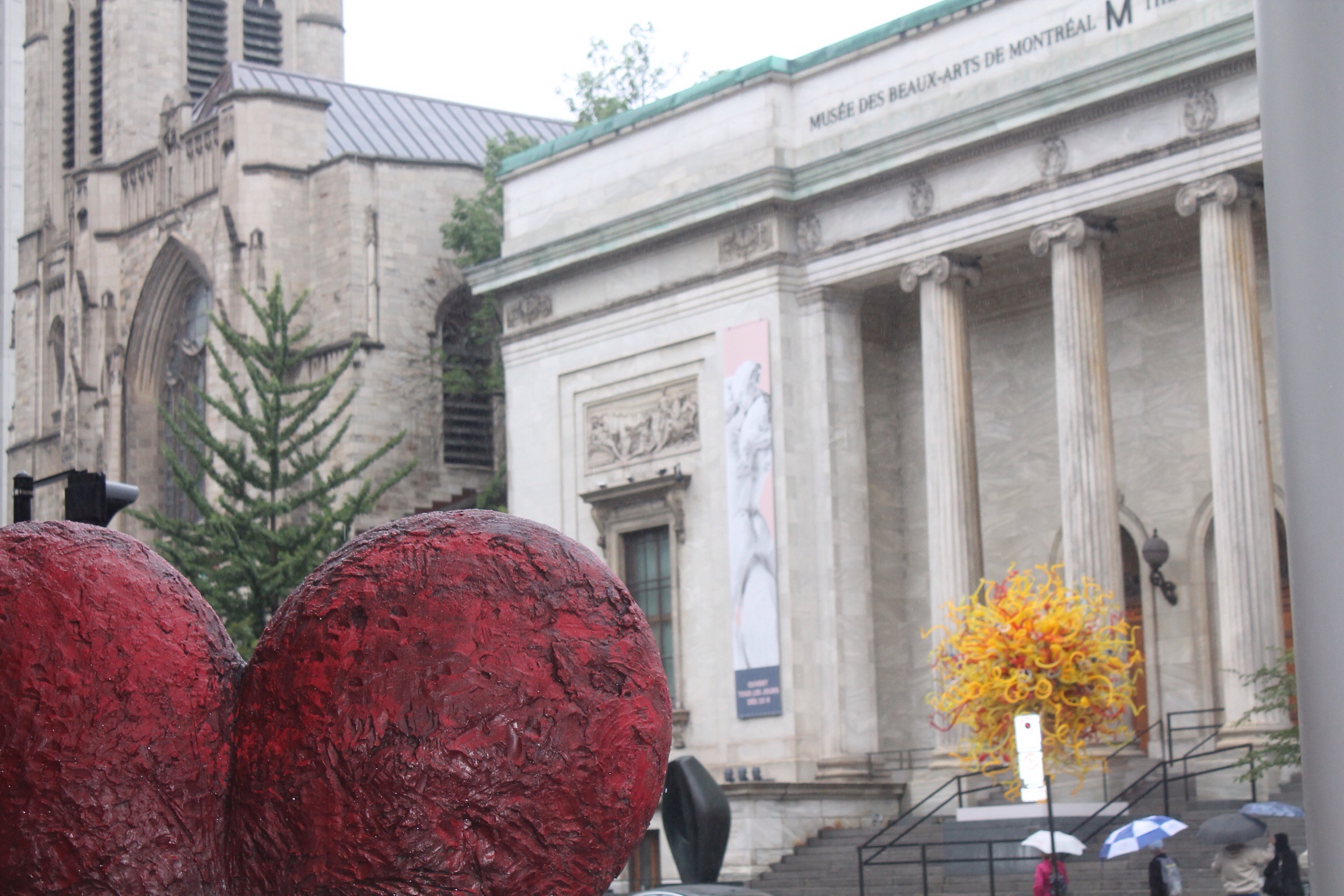
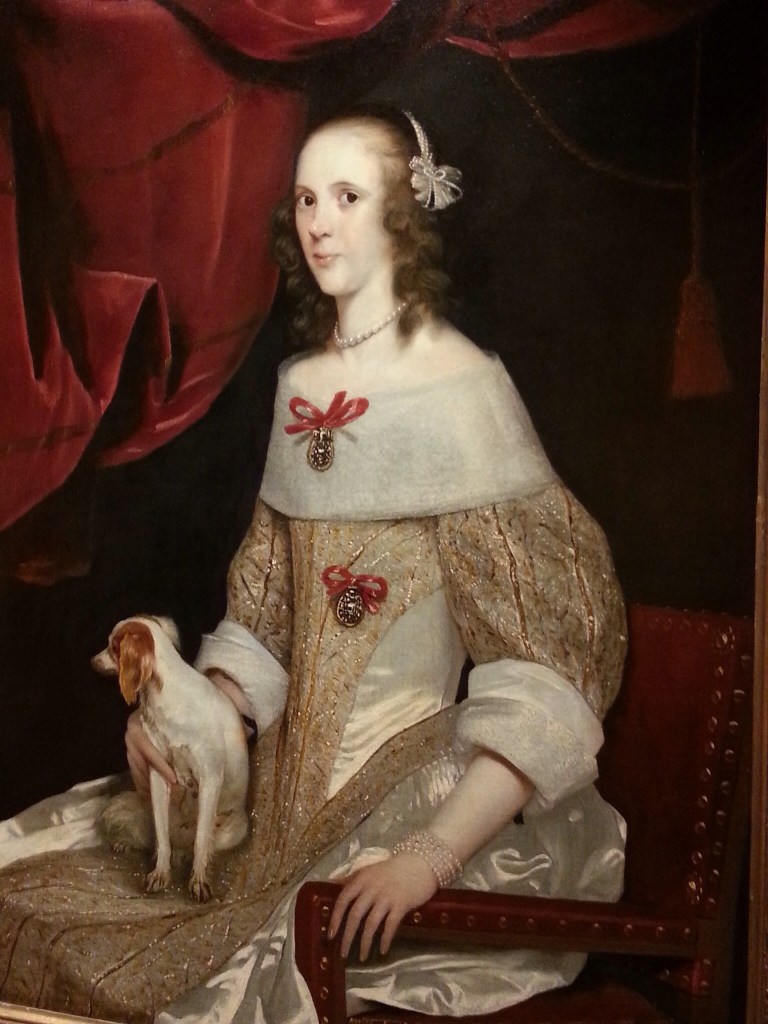
While visiting Montreal in August 2015, my husband and I spent a rainy afternoon in the Musée des Beaux Arts.  We enjoyed strolling through the galleries of Canadian, American and European paintings and inspecting the unique items in the decorative arts collection.  In particular, I admired several intriguing portraits including Abraham van den Tempel’s  seventeenth century painting of Odilia van Wassenaar and her dog.  

img_3304

Musée des Beaux Arts, Montreal (photo by L. Walkins 2015)


Annelise van Strum  hurried  along the rue Sherbrooke clutching her umbrella.  The red and yellow tulips decorating the rim of its clear plastic bubble danced in front of her eyes as she splashed through puddles on her way to the Musée des Beaux Arts.  She didn’t mind the weather.  A rainy day was ideal for exploring the museum galleries.

She was on a special quest this afternoon.  For the past few months she had been  researching their  family tree for her mother.  She had traced the family line all the way back to seventeenth century Holland.  Just that morning she had discovered that the portrait of one of her ancestors was hanging in the fine arts museum around the corner from her apartment.

Pulling her umbrella closed as she stepped into the museum lobby, Annelise handed it over to the girl behind the coat check counter.

Passez une bonne visite,” the girl said with a smile.

Merci.”  Annelise accepted the thick plastic disk numbered 143.

img_3276

Portrait of  Odilia van Wassenaar, Montreal Museum of Fine Arts (photo by L. Walkins 2015)

Making her way to the Hornstein Pavilion for Peace where works from the Dutch Golden Age were on display, Annelise wondered what her ancestor Odilia’s life was like.  She located the correct gallery and began perusing the portraits hung around the softly lit room.  The expressive faces painted hundred of years earlier by the Dutch masters peered out from their frames.

At last, Annelise paused and looked into the eyes of a young woman seated in a sturdy chair with a small dog on her lap.  The girl looked to be in her twenties.  Her light chestnut hair and dark eyes were of the same coloring as Annelise’s own.

The plaque beneath the painting identified it as Portrait of  Odilia van Wassenaar.  Stepping back and hugging herself, Annelise murmured, “There she is, my tenth great-grandmother.”

Annelise carefully examined the painting, searching for clues about who Odilia was exactly.  The gold trinkets adorning her ornate fur-trimmed gown and the pearls encircling her throat and wrist spoke to a wealthy upbringing. Odilia wore an intelligent, almost mischievous expression on her pale face.  The way she cradled her dog gently on her lap convinced Annelise that her ancestor must have had a kind heart.

Raising her cell phone, Annelise snapped three photos of the painting.  Odilia’s portrait reminded her of an old black and white photo of Aunt Phillipa, her mom’s older sister.  In a family album, there was a picture of Phillipa, aged 15, with their Jack Russell terrier sitting on the front stoop of their childhood home.  Phillipa and Odilia might almost be twins.

Annelise laughed softly to herself as she retrieved her umbrella and made her way home. The rain had stopped but the pavement still gleamed with puddles that reflected the clearing sky.

She felt like she had connected with a long-lost relative and couldn’t wait to show the photos to her mother.  Together, they could go online to find out more about Odilia and her family . . . their family.


Young Girls at the Piano

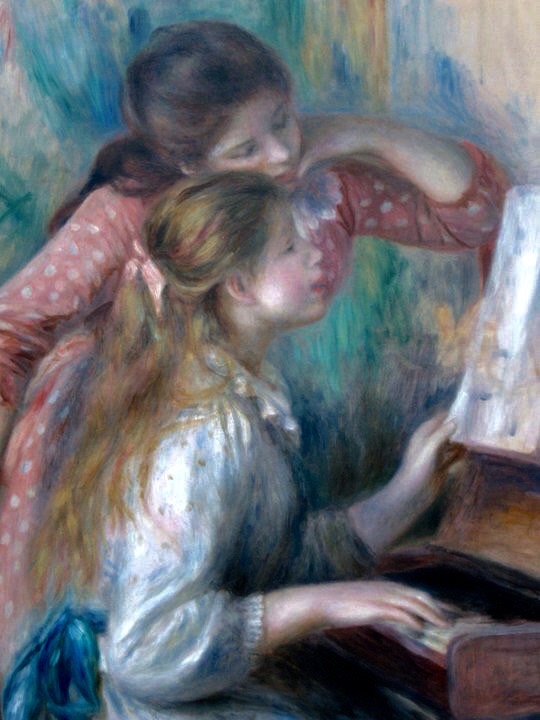
 In college, I took an art history course, studying the Impressionists for one semester.  Since then, I have cultivated my continuing fascination with these artists through travel.  In cities like Chicago,  Washington D.C., Rome and naturellement, Paris, I have stood in front of some of my favorite paintings, masterpieces of color and light.  The last time I was in Paris, I strolled through the Jardin des Tuileries and then enjoyed a couple of lovely hours in the Musée de l’Orangerie.  After marveling over Claude Monet’s celebrated waterlily panels, I ventured on to view the works of other Impressionists like Pierre-Auguste Renoir.  This cheerful portrait of two girls at the piano caught my eye and inspired my latest photo essay.

renoir2010

Jeunes Filles au Piano painted by Renoir  (Photo by L. Walkins 2010)

Bright laughter mingles with the lilting melody of the French folk song Sophie plays on her grandmama’s piano.  That morning, she had sent a note to her cousin, Marguerite, suggesting an afternoon stroll and a picnic in the Jardin des Tuileries.  At noon, the skies had insisted on turning dark and ominous, and now, a steady rain rattles against the window panes behind the long damask curtains.

Settling for a pot of creamy hot chocolate and a plate of Cook’s lemon madeleines in the parlor, the girls make the most of their unexpected afternoon indoors by sifting through the stacks of sheet music, collected over the years by their grandmother, and playing their favorite pieces.  Both Sophie and Marguerite have studied the piano ever since they can remember, taking lessons from the formidable M. Chanson.

Sophie’s slim fingers skip across the ivory keys and Marguerite begins to sing the simple tune in her sweet soprano voice.  Sophie wishes she sang as well as Marguerite, but her voice is passable at best.  Upon playing the final measure, Sophie slides over on the piano bench, making room for her cousin.

“You play something now,” Sophie says. “How about that new piece by Debussy? I absolutely adore the third movement, Clair de Lune.” She finds the music and spreads it out across the piano’s polished music stand.

Marguerite leans forward to study the opening bars and says, “Did you know that Grandmama once had Mr. Debussy over to dine?”  She begins to play, her fingers traveling gently and expertly over the keyboard.  “I wonder if he played for everyone after dinner.”

“Can you imagine if we took our lessons from him instead of grumpy old M. Chanson?” Sophie says with a shout of laughter.

She gets up and retrieves her sketchbook from the divan. As Marguerite plays, Sophie sketches her, her pencil flying confidently over the page.  She finishes the drawing just as her cousin strikes the final notes of Mr. Debussy’s piece.

Marguerite turns around on the piano bench and Sophie holds up her sketch.

“I wish I could play as well as you,” Sophie says and Marguerite echoes back, “I wish I could draw as well as you.”

The cousins share another laugh and go together to the window.  The rain has stopped and hopeful rays of sunshine break through the clouds.


Life in Miniature

IMG_1298

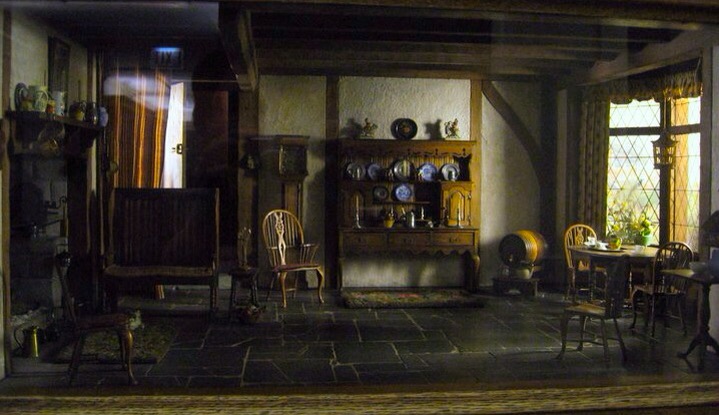
English Cottage Kitchen, Thorne Collection (photo by L. Walkins 2010)

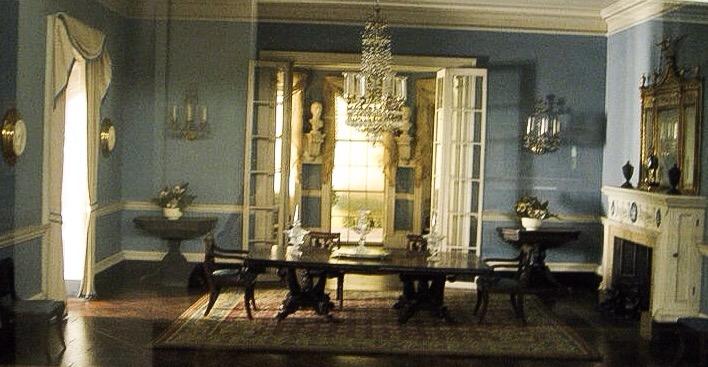
My favorite gallery at the Art Institute in Chicago houses a collection of miniature rooms commissioned by Mrs. James Ward Thorne (Narcissa), who turned her childhood fascination with dollhouses into a life-long vocation to recreate in meticulous detail a variety of decorative interiors from England, France and the United States.  I stumbled upon the Thorne gallery at the end of our museum visit, so I had time to view just a few of the beautiful dioramas, including these two reproductions of a Virginia Dining Room (circa 1800) and an English cottage kitchen from the Queen Anne period.  Nevertheless, the lovely rooms struck a chord in my imagination and inspired me to write the photo essay below.  

Virginia Dining Room, Thorne Collection (photo by L. Walkins 2010)

“Everything is so tiny and perfect,” Elizabeth Ann said, clasping her hands and staring in wonder at the pale pink dollhouse. “Look Cat, the shelves in the library are even filled with little books.”

She flung her arms around her Aunt Catharine’s waist in a grateful hug and then sat cross-legged on the floor, letting her gaze roam across the three floors of miniature rooms. She couldn’t believe the dollhouse that used to reside under the eaves of Grammy Merriweather’s attic next door to a gigantic steamer trunk now filled the corner of her very own bedroom.  Her aunt had driven it over in the back of the station wagon while Elizabeth Ann was at school.

Cat knelt down beside her and affectionately tugged one of her dark braids.  “I hope you were surprised.”  She grinned as Elizabeth Ann nodded solemnly.  Reaching into her sweater pocket Cat pulled out a package wrapped in tissue paper.  “Here, I almost forgot.  You have to have a family to live in the house, don’t you?”

Eagerly, Elizabeth Ann opened the package and  placed the four china dolls in her lap.  There was a mother, a father and two children in the doll family.  They wore old-fashioned clothes and cheerful smiles.

“I think the boy and the girl are twins,” Cat said.

“Like me and Edmund,” Elizabeth Ann observed, holding the children up, one in each hand. “They do look alike.”

“So, which room do you like best?” Cat asked.  “My favorite has always been the dining room. The wallpaper is such a pretty shade of blue and the chandelier adds just the right touch of elegance.”

Beginning with the basement kitchen filled with sturdy wooden chairs and cunning pitchers and plates, Elizabeth Ann considered each room,  tapping her finger against pursed lips. Cat was right about the dining room.  It was really pretty, but so was the living room. The long couch with its  needle-point pillows and a hand-knit afghan looked so comfortable.  Each of the four bedrooms on the second floor had beautiful flowered wallpaper and carpets. Plus, everyone in the doll family got to sleep in a canopied bed.

Glancing at her neatly made twin bed by the window, Elizabeth Ann sighed and then returned her attention to the doll family’s house.  At last, she came to a decision.  “I think the music room is my favorite,” she said. “I wish we had grand piano like that one for my mom to play.”

“That’s very sweet of you, hon.”

Elizabeth Ann turned around at the sound of her mother’s voice.  “I think it was sweet of Aunt Cat to bring me her dollhouse.  Is it really mine to keep?”

“Of course,” Mom and Aunt Catharine said at the same time.  They both laughed and added, “Jinx! You owe me a Coke.”

“Actually, the coffee’s ready, Cat,” Mom said.  “And I just took some peanut butter cookies out of the oven, Elizabeth Ann.”

“Mmm, I can smell them from here,” Cat said, standing beside Mom in the doorway.  “We’d better go and get some before Edmund comes in and eats them all.”

“I’ll be there in a minute,” Elizabeth Ann said.

Carefully, she sat each member of the doll family around their miniature  dining room table. “You wait here,” she said and then got up to follow her mother and aunt to her own sunny kitchen.

As she skipped down the hallway, Elizabeth Ann’s imagination overflowed with stories of  the old-fashioned china doll’s adventures in their pale pink home.

The Rose

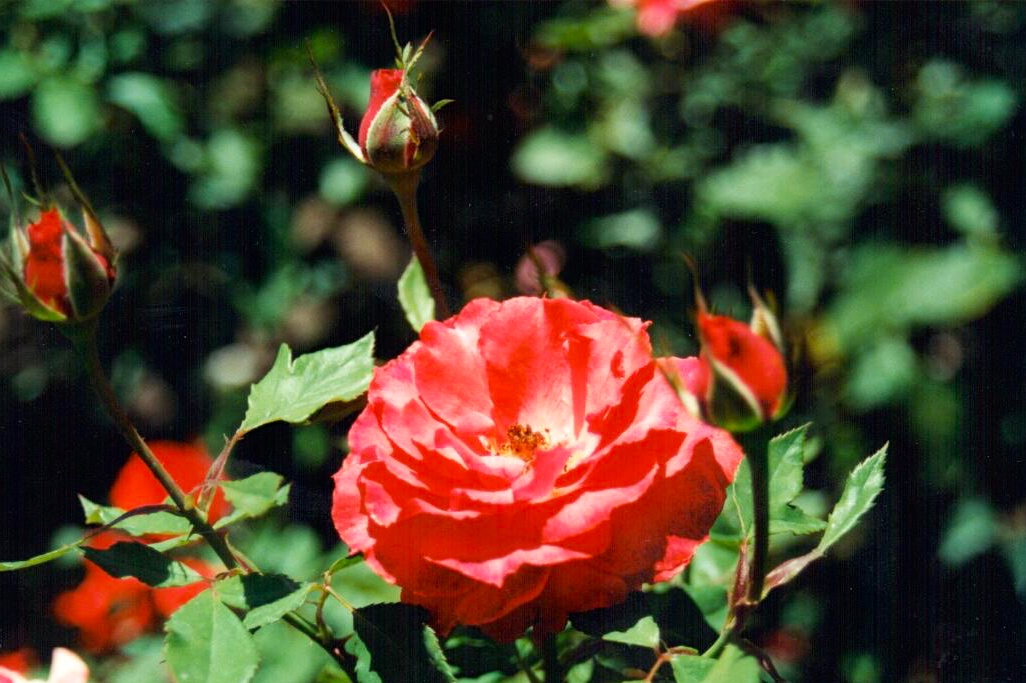
Whenever I travel to Los Angeles, my trip is not complete without spending a glorious afternoon at The Huntington. This remarkable research library established by businessman and financier, Henry E. Huntington, is surrounded by 12 singular botanical gardens. A scenic stroll through the sublime Chinese, Japanese, and Australian landscapes, as well as the Rose, Camellia and Shakespeare gardens must be followed by a visit to at least one of the extraordinary art galleries on the property.  Huntington was a discerning collector of British, French and American art. Of course, the gift shop and the Rose Garden Tea Room are also not to be missed. I took this photo in the Huntington’s Rose Garden and later wrote the accompanying essay.

rose

The Huntington Botanical Gardens, 1990. (Photo by L. LeVasseur)

The roses nod and whisper among themselves of candlelit dinners, weddings and moonlit strolls, as the mellow breeze meanders through the sun-drenched garden.  The soft June air is filled with a hypnotic floral perfume.  In a riot of reds, yellows and pinks, the delicate blossoms cling to the stone wall surrounding a thatched bungalow. A tiny, red bud stretches its furled petals to the cerulean sky.

A buxom, vigorous woman dressed in a faded, cotton sundress and carrying a pair of secateurs, moves briskly through the garden.  She hums a bit of Mozart as she  gathers the sweetest blossoms, placing them carefully in her wicker basket.   With a gentle hand she snips the new rosebud from the vine.

The gardner carries the roses to the end of her winding, dusty lane where she has set up a roadside stand.  Arranging the flowers in bright, hand-painted vases, she places the baby rosebud within a bouquet of elegant pink blooms.  Sitting in the shade of the ancient oaks lining the country road, she waits patiently for  someone to stop and purchase the roses she has tended so lovingly.  She hopes to share their beauty with someone special.

Words and Photos: Portraits

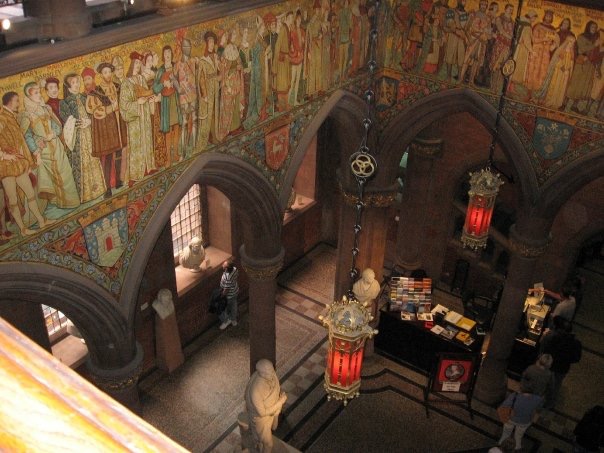
Whenever I visit an art museum, invariably my favorite paintings are the portraits.  I enjoy studying the faces and clothing of the subjects and wondering about their personalities and lives.  Edinburgh has a wonderful National Portrait Gallery  on Queen Street in New Town.  The collection includes pictures of many literary and royal luminaries.  Upon entering the museum’s Great Hall, I always marvel at the gilded murals adorning entrance hall’s balcony.  The procession of Scottish dignitaries includes Stuart kings and queens, poets, scientists and philosophers.  In the short story I am currently writing, my character, Elizabeth Ann, visits the portrait gallery with her friend, Maude and experiences a moment of clarity.

National Portrait Gallery, Edinburgh Scotland.  Photo by L. Walkins, 2006

Photo by L. Walkins, 2006

Outside, wispy clouds stretched across the blue summer sky.  Shoppers and tourists crowded the sidewalks of Castle Street.  Maude and I headed up the block and turned right, walking past the Queen Street gardens.  Behind the wrought iron railings enclosing the park, I glimpsed rolling green lawns and the roof of a Grecian temple.

Maude walked quickly, leading me along the shaded sidewalk.  “It’s a shame Will couldn’t come along on your vacation,” she said, as we approached the National Portrait Gallery.

“He wanted to, but he has a big case going to trial soon.”  My boyfriend, Will was doing  well at his law firm and hoped to make partner soon. Following Maude into the museum, I wondered what Will was doing back in San Diego.  I  looked at  my watch.  With the time difference, he was probably sound asleep.

“Wait here,” Maude said.  “I’ll get us a map.”

I nodded, pausing in the middle of the sumptuous room to look around.  My eyes were drawn to the gilded frieze that decorated the balcony above me. A procession of Scottish dignitaries filled the upper reaches of the hall.  In one corner, I spotted Queen Mary and her consort, Lord Darnley dressed in splendid finery.  The couple stood proudly among the crowd of leaders.  Mary, in particular, looked like she was born to rule.

Maude returned and unfolded the visitor’s map of the different galleries.  “Where shall we begin?” she asked.  “Literary figures or the royals?”

Glancing up at the figure of Queen Mary once more and thinking back to the day Maude and I became friends, I said, “Why don’t we find a portrait of your favorite queen?”

Maude and I had met during my semester abroad at Regent’s College  in London.  Spotting me at Westminster Abbey one Saturday, she reminded me that we shared a public speaking class and insisted we spend the afternoon together.  Taken in by her candor and exuberance, I had followed her into the abbey and right over to the tomb of Mary Queen of Scots.

“Excellent idea,” she said now, consulting the map.  “She’s on the second floor.  Follow me.”

We  climbed the  stairs and found  the Scottish queen’s portrait.  She wore a white hood and veil and looked out at us with sad eyes.

Leaning forward, I read the placard beside the painting.  “It says she’s dressed in traditional French mourning.  It seems weird that white was the color for mourning back then.”

“Poor Mary was absolutely devastated when her French husband died.” Maude fiddled with the end of her long, blonde braid.  “The royal  family had no use for her anymore and they cast her aside.”

“Being a sixteenth century woman was pretty horrible,” I said.  “Can you imagine having no control over your own fate?  Like all those poor women who married Henry VIII.”

“Dreadful.”  Maude folded her arms as she studied the portrait.  “Mary was just 19 when she came home to Scotland to rule.  When I was 19, I had enough trouble managing my classes at university, let alone ruling an actual country.”

Thinking about Mary’s life moving from castle to castle in medieval Scotland, I wandered across the small gallery.  “At least she didn’t have to worry about where she was going to live,”  I said with a laugh.  “In Edinburgh alone, she had the castle and Holyrood Palace.”

“I know,” Maude agreed.  “It must have been some comfort to depend on centuries of family tradition.”

We drifted slowly through the glass doorway to the next gallery.  As I studied the portraits, I considered my family and our traditions.  Even though, I’d been living in my own apartment for a few years, I called my parents’ yellow bungalow in Mission Hills home. All of our family celebrations still took place around my mother’s dining room table.

Tonight, Maude and her husband were throwing a housewarming in their amazing new flat.  For sure, the first of many parties.  Maybe it was high time I too began some new traditions in a real home of my own.